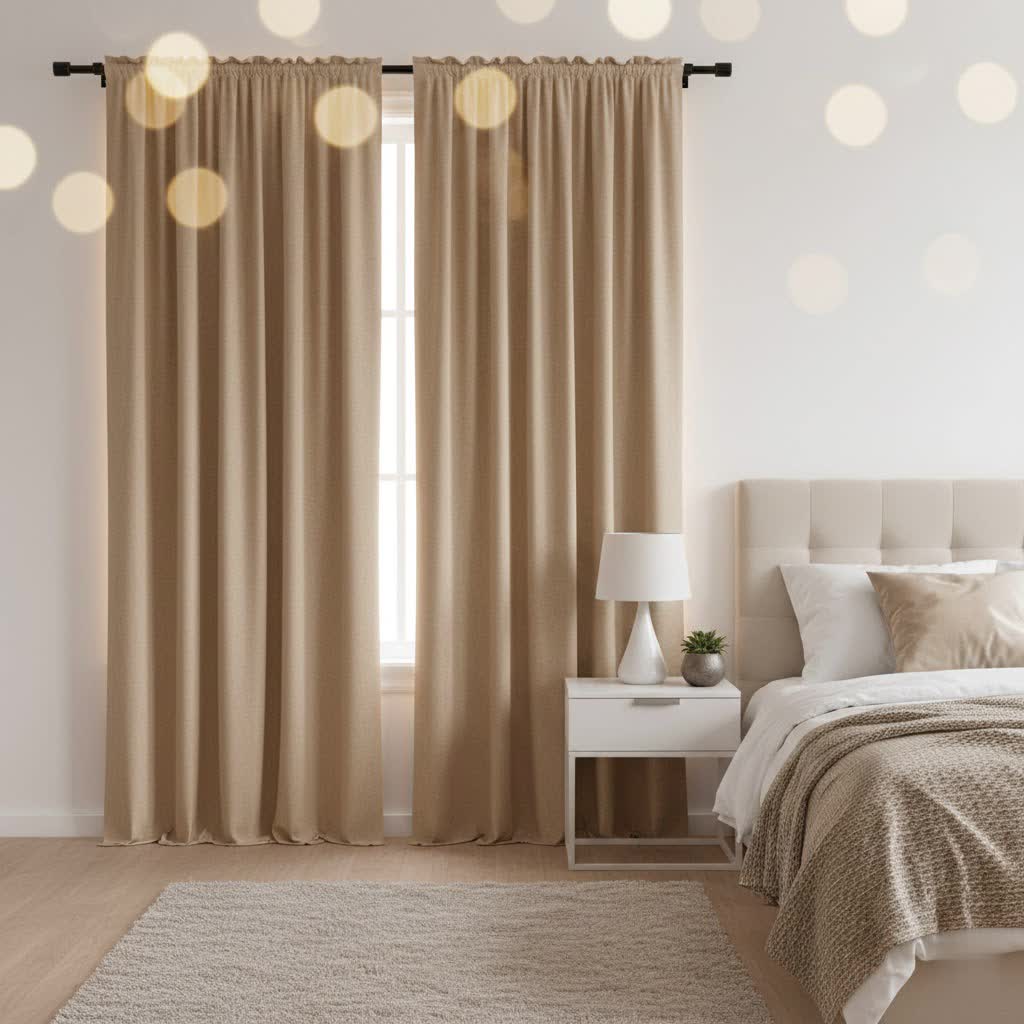
Are you tired of waking up to unwanted sunlight streaming into your bedroom? Do streetlights disrupt your sleep, or glare make it impossible to enjoy your home theater during the day? Blackout Panels For Curtains offer a transformative solution, providing not just darkness, but a host of benefits that enhance your home’s comfort, privacy, and energy efficiency. As a seasoned technician with over a decade of experience in window treatments, especially with blackout solutions, I’ve seen firsthand how the right curtain panels can revolutionize a living space. Join me as we delve into the world of blackout panels, uncovering their secrets, benefits, and how to choose the perfect fit for your home.
What Are Blackout Panels for Curtains?
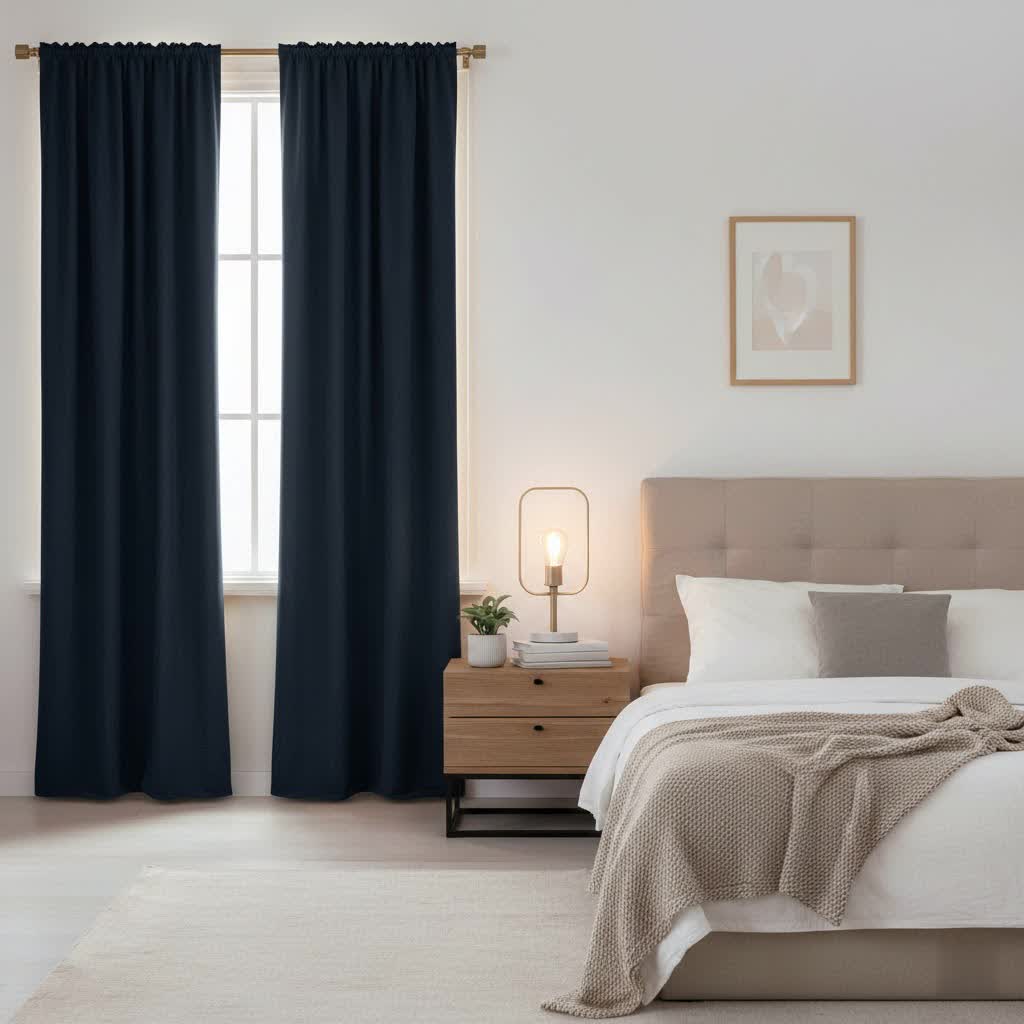
Blackout panels for curtains are specialized window coverings engineered to block out nearly all external light. Unlike standard curtains, which merely dim a room, blackout panels create a dark environment, making them ideal for bedrooms, nurseries, media rooms, or any space where complete light control is desired. They can be standalone curtains designed with light-blocking properties, or they can be separate blackout liners that attach to your existing decorative curtains, offering flexibility without compromising your interior design.
The core mechanism behind their effectiveness lies in their construction. Most high-performance blackout fabrics feature a “3-pass” coating process. This involves applying a foam layer to the back of the fabric for thickness, followed by a black opaque layer that physically prevents light penetration, and finally, a white or colored finish layer for aesthetics and added insulation. This multi-layered, dense fabric construction is what gives blackout panels their superior light-blocking capabilities.
Benefits of Using Blackout Panels for Curtains
The advantages of incorporating blackout panels into your home extend far beyond simply darkening a room. They contribute significantly to comfort, well-being, and even cost savings.
- Absolute Light Blocking: This is the primary and most appreciated benefit. Blackout panels prevent sunlight, streetlights, and other external light sources from entering your room. This is particularly crucial for improving sleep quality, as darkness aids the body’s natural melatonin production, helping you fall asleep faster and enjoy deeper, more restorative rest. They are a game-changer for shift workers, infants, or anyone sensitive to light during sleep hours.
- Energy Savings: The dense, multi-layered construction of blackout panels provides excellent thermal insulation. They help keep your rooms cooler in the summer by blocking heat from the sun and warmer in the winter by preventing heat from escaping through windows. This can lead to noticeable reductions in your heating and air conditioning costs, with some users reporting energy savings of 30% or more.
- Furniture Protection: Harmful UV rays from the sun can cause furniture, flooring, and artwork to fade and deteriorate over time. Blackout panels act as a protective barrier, shielding your valuable interior furnishings from sun damage and preserving their color and integrity.
- Enhanced Privacy: By completely obscuring the view from outside, blackout panels ensure absolute privacy for your home. This is especially beneficial for ground-floor rooms or areas facing busy streets, allowing you to relax without concerns about prying eyes.
- Noise Reduction: While not entirely soundproof, the thick, heavy material of blackout panels has sound-dampening properties. They absorb sound waves, helping to reduce external noise pollution from traffic, neighbors, or other disturbances, contributing to a quieter and more peaceful indoor environment.
Types of Blackout Panels for Curtains
Blackout panels come in various forms, each offering distinct aesthetic and functional characteristics. Understanding these types can help you choose the best solution for your space.
Fabric Blackout Curtains
These are the most common type, resembling traditional drapes but featuring specialized light-blocking material.
- Pros: Highly versatile in design, color, and texture; often offer excellent insulation and noise reduction. Can be a prominent decorative element.
- Cons: Can be heavier, potentially requiring robust curtain rods; some styles might allow minor light leakage around the edges if not perfectly fitted.
- Common Materials: Polyester is widely used due to its durability, ease of maintenance, and tight weave. Cotton is also a base fabric, often combined with light-blocking coatings. Velvet blackout curtains offer a luxurious feel and are typically very effective due to their thickness.
|
Our Picks for the Best Blackout Curtains in 2026
We may earn a commission when you use one of our links to make a purchase.
|
||
| Num | Product | Action |
|---|---|---|
| 1 | NICETOWN Nursery Essential Thermal Insulated Solid Grommet Top Blackout Curtains/Drapes (1 Pair, 42 x 63 inches in Baby Pink) |

|
| 2 | NICETOWN Pitch Black Solid Thermal Insulated Grommet Blackout Curtains/Drapes for Bedroom Window (2 Panels, 42 inches Wide by 63 inches Long, Black) |
|
| 3 | NICETOWN Living Room Completely Shaded Draperies, Privacy Protection & Noise Reducing Ring Top Drapes, Black Lined Insulated Window Treatment Curtain Panels(Biscotti Beige, 2 Pieces, W52 x L84) |
|
| 4 | NICETOWN 100% Blackout Window Curtain Panels, Cold and Full Light Blocking Drapes with Black Liner for Nursery, 84 inches Drop Thermal Insulated Draperies (White, 2 Pieces, 52 Wide Each Panel) |
|
| 5 | NICETOWN Living Room Completely Shaded Draperies, Privacy Protection & Noise Reducing Ring Top Drapes, Black Lined Insulated Window Treatment Curtain Panels (Beige, 2 Pieces, W52 x L84) |
|
| 6 | NICETOWN Light Blue Curtains for Nursery, Thermal Insulated Grommet Room Darkning Curtain Panels for Bedroom/Living Room, Privacy Drapes for Classroom(1 Pair, W42 x L63 inches, Blue) |
|
| 7 | NICETOWN Aqua Blue Room Darkening Curtains for Kitchen, Window Treatment Thermal Insulated Solid Grommet Curtains/Drapes Bedroom (Set of 2, 42 inches Wide by 63 Long) |
|
| 8 | NICETOWN Thermal Insulated Grommet Room Darkening Curtains/Draperies/Panels for Bedroom (2 Panels, W42 x L63 inches, Biscotti Beige) |
|
| 9 | NICETOWN Kitchen Curtains for Decoration, Thermal Insulated Grommet Room Darkening Draperies/Panels for Laundry (Beige, 2 Panels, W42 x L63 inches) |
|
| 10 | NICETOWN Aqua Blue 100% Blackout Curtain Set, Thermal Insulated & Energy Efficiency Window Draperies for Guest Room, Full Shading Panels for Shift Worker and Light Sleepers, 52W x 84L, 2 PCs |
|
Blackout Roller Blinds
While not “curtain panels” in the traditional sense, blackout roller blinds are a popular alternative that offers a sleek, minimalist look and excellent light blockage.
- Pros: Extremely effective at blocking light due to their close fit to the window frame; modern and minimalist aesthetic; easy to operate.
- Cons: Less decorative than fabric curtains; can be more challenging to install; limited in texture and drape compared to fabric.
- Common Materials: PVC, vinyl, or specialized polyester fabrics with opaque coatings.
Blackout Roman Shades
Combining the softness of fabric with the functionality of shades, Roman shades fold neatly into horizontal pleats when raised.
- Pros: Elegant and sophisticated appearance; can offer good insulation; suitable for various interior styles.
- Cons: May allow some light to filter through the pleats or edges; can be more costly than standard curtains.
- Common Materials: A variety of fabrics (cotton, linen, polyester) with an integrated blackout lining.
Blackout Curtain Liners
These are separate, light-blocking fabric panels designed to be added to existing curtains. They are an excellent option if you love your current decorative curtains but need blackout functionality.
- Pros: Cost-effective way to convert any curtain into a blackout curtain; allows you to keep your existing decor; easy to install and remove for cleaning.
- Cons: May add bulk to your curtains; can sometimes be visible if not properly concealed; may not achieve 100% blackout if light leaks around the top or sides of the main curtain.
- Common Materials: Typically polyester with 2-pass or 3-pass opaque coatings.
Comparison Table: Blackout Curtain Options
| Feature | Fabric Blackout Curtains | Blackout Roller Blinds | Blackout Roman Shades | Blackout Curtain Liners |
|---|---|---|---|---|
| Light Blocking | High | Very High | Medium to High | High (depends on curtain fit) |
| Aesthetic Appeal | Highly versatile, decorative | Modern, minimalist | Elegant, structured | Hidden (complements existing) |
| Insulation | Good to Excellent | Good | Good | Good |
| Noise Reduction | Good | Moderate | Moderate | Good |
| Installation | Standard curtain rod/track | Requires mounting hardware | Requires mounting hardware | Hooks, pins, or sewing to existing curtains |
| Maintenance | Varies by fabric (machine wash, dry clean) | Easy wipe clean | Varies (spot clean, professional) | Machine wash (usually) |
| Cost | Medium to High | Medium | High | Low to Medium |
How to Choose the Right Blackout Panels for Curtains
Selecting the perfect blackout panels involves considering several factors to ensure they meet your specific needs and complement your home’s aesthetics.
- Determine Your Light Blocking Needs: For absolute darkness (e.g., a newborn’s room, home theater), prioritize panels with a 100% blackout rating and ensure they cover the entire window area with minimal light leakage around the edges. For room darkening where some ambient light is acceptable, options with 80-95% blockage might suffice.
- Consider Material and Construction: Polyester is a durable and effective choice for both blackout curtains and liners. Look for multi-layered fabrics or those with specialized coatings (like 3-pass foam backing) for optimal performance. If you prioritize a luxurious feel, velvet or linen blends with a blackout lining can offer both style and function.
- Accurate Measurement is Key: Measure your window precisely. For curtains, aim for panels that are 1.5 to 2 times the width of your window for a fuller, more effective light block when closed. The length should extend beyond the window sill, ideally to the floor, to prevent light from escaping underneath. For liners, choose dimensions slightly smaller than your main curtains to ensure they remain concealed.
- Match Style and Color to Your Interior: Blackout panels don’t have to be purely functional; they can be a significant part of your room’s decor. Choose colors and patterns that harmonize with your existing furniture and wall colors. Remember that while dark colors absorb more light, a well-constructed light-colored blackout panel with an opaque lining will be just as effective.
- Evaluate Hanging Options:
- Grommet Top: Features metal rings for a modern look and easy gliding on a rod.
- Rod Pocket: Creates a gathered, traditional look, concealing the rod.
- Back Tab: Offers a pleated, tailored appearance by hanging from loops on the back of the curtain.
- Pinch Pleat: Provides a more formal, structured drape.
- For blackout liners, options often include hooks, rings, or tabs designed to attach to your primary curtains or hang on a separate rod.
- Seek Expert Advice: If you’re unsure, consult with a window treatment specialist. They can provide personalized recommendations based on your window type, room function, and design preferences, ensuring you select the best solution for your home.
Top Blackout Curtain and Panel Brands
While the market offers a vast array of blackout solutions, certain brands consistently receive high praise for their quality, effectiveness, and design. Here are a few notable mentions that have stood out in reviews and testing:
- Sun Zero Nordic Blackout Grommet Curtains: Frequently cited for their sleek design, excellent light-blocking capabilities, and high-quality fabric. They are also noted for noise reduction and insulation.
- IKEA Majgull Blackout Curtains: A popular basic option, recognized for being value-packed and effective at both light blocking and insulation, making them a solid choice for straightforward blackout needs.
- Quince European Linen Blackout Curtains: For those seeking elegance, these offer a high-quality linen look with effective light-blocking polyester backing, providing a soft, flexible feel that doesn’t “scream” blackout curtain.
- Rose Home Fashion Thermal Insulated Blackout Curtain Liner: If you’re looking to upgrade existing curtains, this liner is highly rated for its complete light blockage (when installed correctly) and heavy, high-quality material that also provides insulation.
- Amazon Basics Room Darkening Blackout Curtains with Grommets: Known for their strong performance in lab tests for light blocking, offering a reliable and affordable option.
Tips for Using and Maintaining Your Blackout Panels
Proper usage and care will ensure your blackout panels remain effective and beautiful for years to come.
- Minimize Light Leakage: For maximum darkness, ensure your curtain rod extends several inches beyond the window frame on each side, and consider using a wrap-around rod or a cornice/pelmet at the top to prevent light from escaping around the edges.
- Regular Cleaning: Dust can accumulate on curtains, reducing their aesthetic appeal and potentially triggering allergies. Vacuum your blackout panels regularly using an upholstery attachment or gently shake them outdoors.
- Follow Washing Instructions: Always check the manufacturer’s care label. Many polyester blackout curtains are machine washable on a gentle cycle with cold water, but some delicate fabrics like velvet or those with specialized backings may require spot cleaning or professional dry cleaning to protect the light-blocking layers.
- Air Dry or Tumble Dry Low: Avoid high heat when drying, as it can damage the blackout coating. Air dry your curtains or tumble dry on a very low setting, removing them promptly to prevent wrinkles. Never hang blackout panels in direct sunlight to dry, as prolonged UV exposure can degrade the blackout material over time.
- Periodic Inspection: Regularly check your curtain rods, hooks, and hardware for any signs of wear or damage. Ensure they are securely installed to support the weight of the blackout panels, which can be heavier than standard curtains.
“Investing in quality blackout panels is an investment in your well-being. The difference they make to sleep quality and home comfort is truly remarkable.” – Admin, reviewraudms.com, Curtain & Blackout Solutions Expert
Conclusion
Blackout panels for curtains are a smart and versatile addition to any home, offering a powerful combination of light control, energy efficiency, enhanced privacy, and noise reduction. Whether you choose full blackout curtains or opt for convenient blackout liners, these innovative window treatments provide a tangible upgrade to your living environment. By understanding their types, benefits, and proper care, you can select and maintain the perfect blackout solution to create a tranquil, comfortable, and stylish sanctuary in your home.
Ready to transform your space into a haven of darkness and comfort? What kind of blackout solution are you considering for your home?
Frequently Asked Questions
Do blackout panels really block 100% of light?
While the fabric itself can be 100% opaque, achieving absolute 100% light blockage in a room depends heavily on installation. Light can leak around the edges of the curtain, the top of the rod, or through gaps between panels. For maximum darkness, consider blackout liners, wrap-around rods, or installing panels wider and longer than your window frame.
Are blackout panels energy efficient?
Yes, blackout panels are highly energy efficient. Their dense, multi-layered construction provides excellent thermal insulation, helping to block heat transfer through windows. This keeps rooms cooler in summer by preventing solar heat gain and warmer in winter by reducing heat loss, leading to lower energy bills.
Can I add blackout lining to my existing curtains?
Absolutely! Blackout curtain liners are specifically designed to be attached to your current decorative curtains. They typically come with hooks, rings, or tabs that allow for easy integration, letting you enjoy the benefits of blackout functionality without having to replace your favorite curtains.
How do I clean blackout curtain panels?
Always refer to the care label, as cleaning instructions can vary by material. Most polyester blackout panels are machine washable on a gentle cycle with cold water. It’s best to air dry or tumble dry on a very low heat setting to protect the blackout coating. Avoid direct sunlight during drying and iron on a low setting if needed.
What is the difference between blackout and room darkening curtains?
Blackout curtains are designed to block nearly all light, creating a dark or near-dark room. Room darkening curtains, while reducing significant light, will still allow some ambient light to filter through, making the room dim but not completely dark. Blackout panels typically use a denser fabric or opaque lining to achieve their superior light-blocking effect.