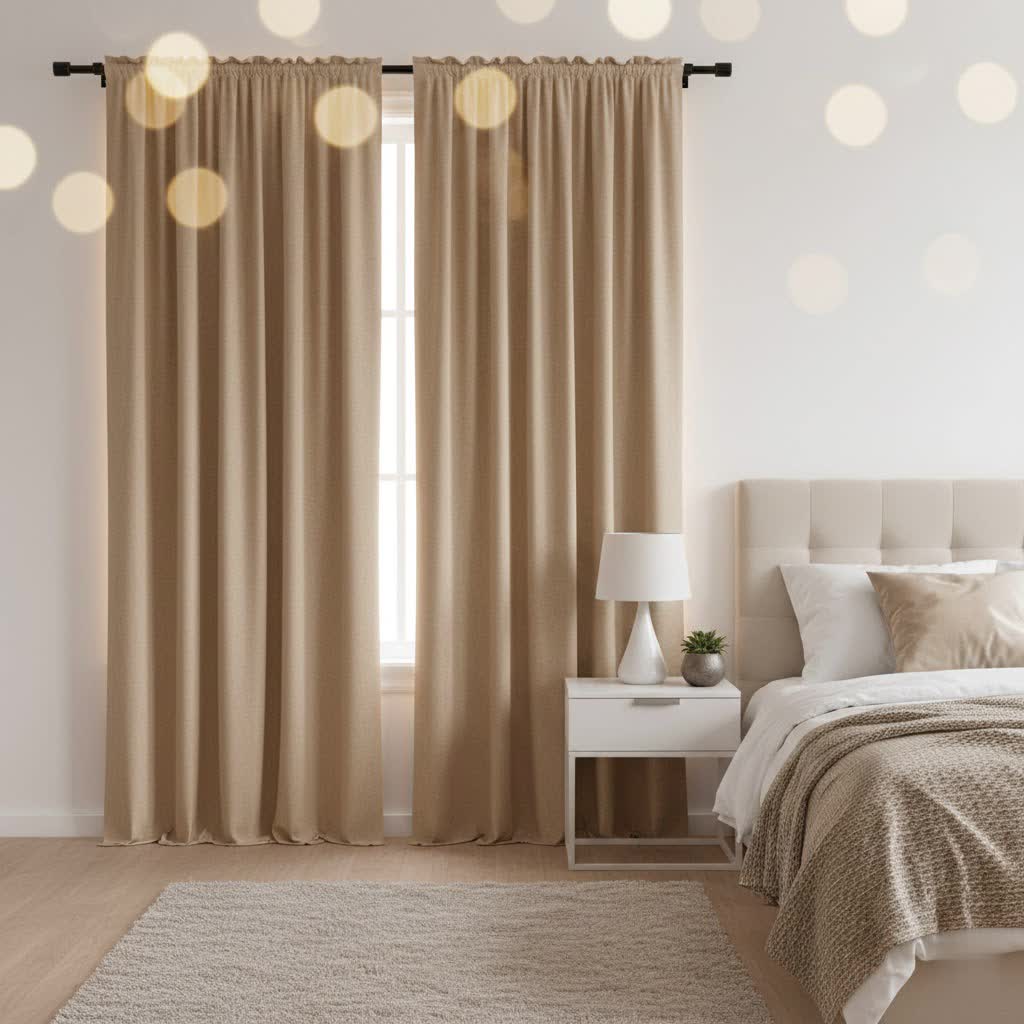
Imagine waking up feeling truly refreshed, your bedroom a peaceful haven untouched by the morning sun or streetlights. For many, achieving this ideal rest means finding the right window coverings. Blackout curtains have long been celebrated for their ability to block light, and now, with advancements in fabric technology, you can combine this functionality with the natural, elegant aesthetic of linen. This guide, brought to you by an expert with over a decade in the curtain industry, will help you navigate the world of linen blackout curtains, ensuring you make the best choice for your home.
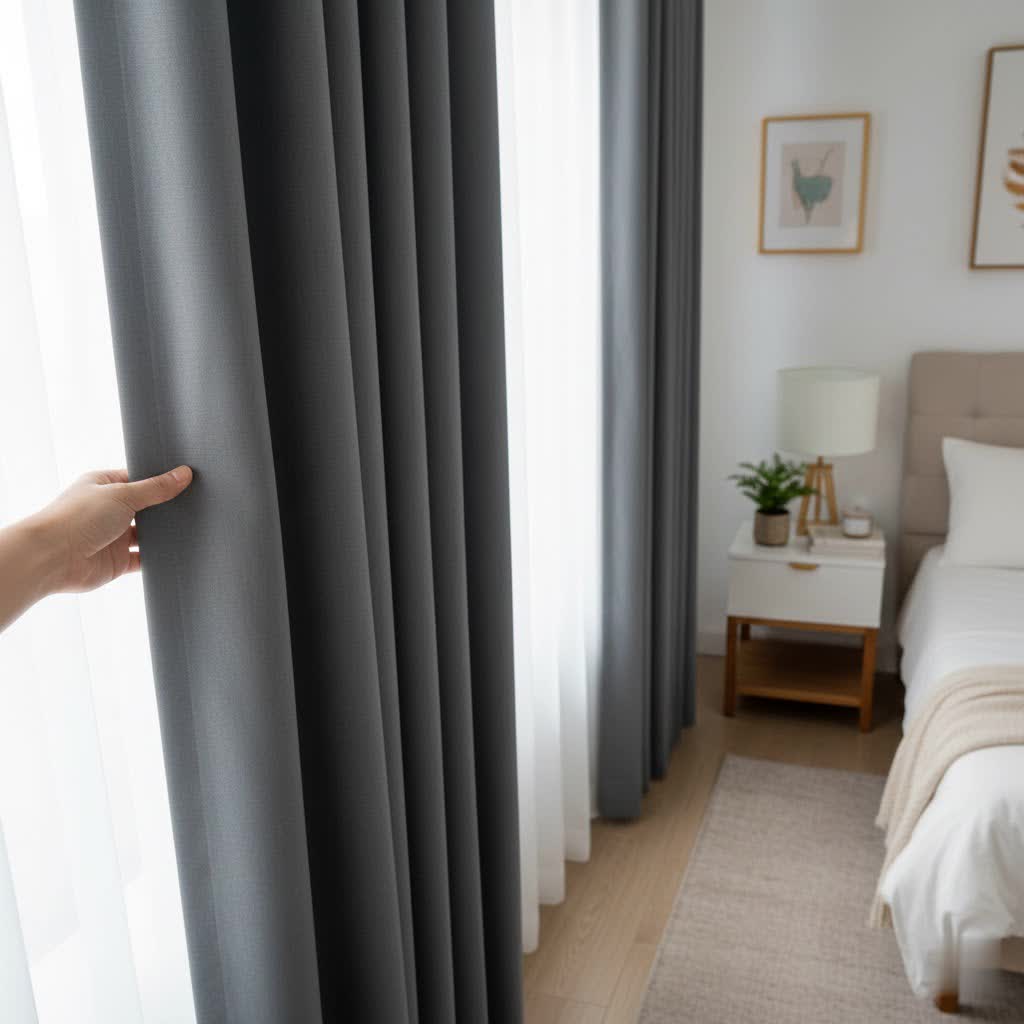
What Are Blackout Curtains, and How Does Linen Fit In?
Blackout curtains are specially designed window coverings engineered to block out nearly 100% of light, creating a dark, serene environment. Their primary mechanism involves a dense, opaque layer—often an acrylic foam backing, a tightly woven polyester, or a combination of multiple layers—that prevents light from passing through the fabric. Unlike regular curtains that merely filter light, blackout curtains actively obstruct it, making them ideal for bedrooms, nurseries, and media rooms.
Traditionally, linen fabric itself is known for its light, airy, and somewhat sheer quality, making it less suitable for light-blocking on its own. However, the term “linen blackout curtains” typically refers to curtains that mimic the look and texture of natural linen while incorporating true blackout capabilities. This is usually achieved through a blend of synthetic fibers like polyester, which can be woven to resemble linen, combined with an integrated blackout lining or a tightly constructed weave that inherently blocks light. So, you get the best of both worlds: the relaxed, sophisticated charm of linen with superior light-blocking performance.
The Undeniable Benefits of Choosing Blackout Curtains
The advantages of installing blackout curtains extend far beyond simply darkening a room; they contribute significantly to comfort, privacy, and even cost savings in your home.
Firstly, absolute light blockage is paramount. For shift workers, new parents, or anyone struggling with sleep due to excessive light, blackout curtains are a game-changer. They create an optimal sleep environment, encouraging deeper, more restorative rest regardless of the time of day. This consistent darkness signals to your body that it’s time to sleep, improving your circadian rhythm.
Secondly, these curtains offer significant energy efficiency. By creating an insulating barrier at your windows, blackout curtains help regulate indoor temperatures. They keep heat out during hot Vietnamese summers, reducing reliance on air conditioning, and conversely, retain warmth during cooler months. This thermal regulation can lead to noticeable reductions in your energy bills throughout the year.
Thirdly, blackout curtains provide excellent protection for your furniture and flooring. Harmful UV rays from direct sunlight can cause irreparable damage, fading colors and degrading materials over time. Blackout curtains act as a robust shield, preserving the vibrancy and integrity of your interior décor, extending the lifespan of your cherished belongings.
Moreover, they enhance privacy by ensuring that no one can see into your home, day or night. This is especially valuable for ground-floor apartments or homes in densely populated areas, offering peace of mind and a secure personal space. Finally, while not their primary function, the dense fabric of blackout curtains can offer a minor reduction in outside noise, contributing to a quieter, more tranquil indoor atmosphere.
Exploring Popular Styles: When Linen Meets Blackout Technology
The market for blackout curtains is diverse, with various styles offering different aesthetic and functional benefits. When searching for “linen blackout curtains,” you’re often looking at how that natural, textured look is integrated into light-blocking designs.
Fabric Blackout Curtains (Linen-Look/Linen Blend): These are perhaps the most common. They utilize fabrics, typically polyester blends, that are meticulously designed to replicate the distinctive texture, drape, and subtle sheen of natural linen. To achieve blackout capability, these curtains often feature a separate, opaque lining sewn onto the back or have blackout threads woven directly into the fabric itself.
- Pros: Highly versatile in design, wide range of colors, soft drape, excellent light blocking. The linen-look offers a relaxed yet sophisticated aesthetic.
- Cons: Can be bulky if heavily lined, may require careful washing depending on the fabric blend.
- Materials: Often a blend of polyester, sometimes with a touch of cotton or rayon, combined with an acrylic foam or polyester blackout backing.
Roller Blackout Curtains: While not inherently “linen” in their composition, many roller blinds now offer textured fabrics that mimic the look of natural materials, including linen. These consist of a single piece of fabric that rolls up neatly into a cassette at the top of the window.
- Pros: Minimalist design, highly effective at blocking light when fitted correctly (especially with side channels), very easy to clean.
- Cons: Less decorative than fabric curtains, can look stark in some settings.
- Mechanism: Operated by a chain, spring, or motorized system.
Roman Blackout Curtains (Linen-Inspired Fabrics): Roman blinds offer a classic, elegant aesthetic, folding into neat horizontal pleats when raised. Many manufacturers now offer Roman blinds in fabrics that emulate the look and feel of linen, combined with a blackout lining for full light control.
- Pros: Sophisticated appearance, saves space compared to drapes, excellent light blocking when lined.
- Cons: Can be more expensive, cleaning can be more involved due to their structure, may not stack as neatly if the blackout lining is very thick.
- Style: Ideal for formal living areas or bedrooms where a touch of classic elegance is desired.
Vertical Blackout Blinds (with textured finishes): While less common for the “linen” aesthetic, vertical blinds can offer blackout functionality, particularly for large windows or sliding glass doors. Some modern vertical blinds feature fabric slats with textured finishes that can vaguely resemble natural fibers.
- Pros: Excellent for wide windows and sliding doors, good light control by rotating slats.
- Cons: Can be noisy, less “linen-like” in appearance than other options, can look more commercial.
- Functionality: Slats can be tilted to adjust light or drawn completely open/closed.
Comparative Analysis: Blackout Curtain Types
Understanding the differences between types of blackout curtains, especially when considering the “linen look,” helps in making an informed decision.
| Feature | Fabric Blackout (Linen-Look) | Roller Blackout | Roman Blackout (Linen-Inspired) | Vertical Blackout Blinds |
|---|---|---|---|---|
| Light Blocking | High | Very High (with channels) | High | Medium – High |
| Aesthetic | Versatile, natural, elegant | Modern, minimalist | Classic, sophisticated | Functional, professional |
| Durability | Good | Very Good | Good | Good |
| Price Range | Medium – High | Medium | High | Medium |
| Ease of Cleaning | Varies (some machine washable) | Easy to wipe | Can be difficult (spot clean/dry clean) | Easy to wipe |
A Step-by-Step Guide to Selecting Your Ideal Blackout Curtains
Choosing the perfect linen blackout curtains involves thoughtful consideration of your specific needs, the practical aspects of your space, and your personal style.
First, identify your core needs. Are you trying to achieve complete darkness for a bedroom, reduce glare in a media room, or simply add privacy to a living space? The primary function will guide your choice of material and design. For instance, a nursery demands the highest light blockage, while a home office might prioritize a balance of light control and aesthetic appeal.
Next, select suitable materials, focusing on how the “linen” look is achieved alongside blackout properties. Pure linen is generally not blackout. Look for high-quality polyester blends or fabrics specifically marketed as “linen-look blackout” with integrated thermal or blackout linings. These often provide the best combination of natural texture and light-blocking efficiency, while also being durable and often easier to maintain than true linen. Always check the fabric composition and care instructions.
Accurate measurement of your windows is crucial. Blackout curtains must extend beyond the window frame, typically 4-6 inches on each side and above, to effectively block light leakage around the edges. Measure the width of your window frame and add the extra inches for overlap. For length, decide if you want them to just skim the floor, puddle slightly, or end at the windowsill, and measure accordingly from the top of your curtain rod. Incorrect measurements can compromise both the blackout effectiveness and the aesthetic.
Furthermore, choose a color and style that harmonizes with your interior décor. While darker colors tend to absorb more light, modern blackout linings mean that even light-colored linen-look curtains can offer excellent light blockage. Consider the overall palette of your room, the existing furniture, and the mood you want to create. A light grey or cream linen-look might offer a serene feel, while a deeper charcoal could add sophistication.
Finally, do not hesitate to seek expert advice. A reputable curtain specialist can offer invaluable insights into fabric choices, measurement techniques, and installation options that ensure optimal performance and aesthetic integration. They can also help you understand the nuances of different blackout technologies and suggest the best fit for your unique windows and preferences.
Top Blackout Curtain Brands for the Vietnamese Market
While specific brand recommendations can vary by region and current market trends, several types of brands consistently offer high-quality blackout curtains in Vietnam. Look for brands that specialize in home textiles or offer a wide range of custom curtain solutions.
Many established home furnishing stores and curtain workshops across Vietnam provide excellent options. These often source materials from international suppliers known for their blackout fabric technology, such as those using triple-weave polyester for integrated blackout or those offering high-quality acrylic foam backings.
When evaluating brands, consider those known for:
- Fabric quality: Look for durability, consistent weave, and a natural-feeling texture if aiming for the linen look.
- Blackout effectiveness: Brands that specify the percentage of light blocked (e.g., “99% blackout”) are often more reliable.
- Customization options: The ability to custom-size curtains ensures a perfect fit, which is crucial for maximizing blackout capabilities.
- After-sales service: A good warranty and support for installation or maintenance are indicators of a trustworthy brand.
- Positive customer reviews: Feedback from other local customers can highlight brands known for their quality and service.
Some popular choices might include local artisan workshops known for their craftsmanship, as well as larger retail chains that carry a curated selection of home goods. When shopping, inquire about the specific blackout technology used and always ask to see fabric swatches to judge the texture and color in person.
Essential Tips for Using and Maintaining Your Blackout Curtains
Proper care and maintenance will not only keep your linen blackout curtains looking their best but also extend their lifespan and ensure their continued effectiveness.
Firstly, regular cleaning is key. Dust and dirt can accumulate on curtains, dulling their appearance and potentially affecting fabric integrity over time. Use a soft brush attachment on your vacuum cleaner to gently vacuum the curtains every few weeks. This simple step prevents deep-seated grime and keeps the fabric fresh. For minor spots, a damp cloth with a mild detergent can be used for spot cleaning, always testing on an inconspicuous area first.
When it comes to washing your curtains, always adhere strictly to the manufacturer’s instructions. Blackout linings, especially foam-backed ones, can be sensitive to high heat and harsh chemicals. Many linen-look blackout curtains are made from polyester blends and might be machine washable on a gentle cycle with cold water. However, some delicate or heavily lined curtains may require professional dry cleaning to prevent damage, shrinking, or delamination of the blackout layer. Avoid twisting or wringing the fabric, which can distort its shape.
It is crucial to avoid prolonged direct exposure to harsh sunlight when drying your curtains. If line drying, choose a shaded area. High heat, whether from direct sun or a tumble dryer, can degrade the blackout coating or cause it to separate from the main fabric, significantly reducing its effectiveness. Air drying in a well-ventilated space is often the safest method. Ensure the curtains are completely dry before re-hanging to prevent mildew.
Finally, periodic inspection and maintenance ensure your curtains remain in top condition. Check the curtain rods, rings, or tracks for any signs of wear or damage. Lubricate tracks if necessary for smooth operation. Regularly inspect the fabric for any small tears or fraying, and address them promptly to prevent them from worsening. This proactive approach ensures your blackout curtains continue to function flawlessly and enhance your home environment for years to come.
The right linen blackout curtains combine aesthetic appeal with powerful light-blocking capabilities, creating a truly superior environment for rest, privacy, and energy efficiency. By understanding the different types, carefully measuring, and following proper care instructions, you can transform your home with these functional and beautiful window treatments. With so many options available, are you ready to discover the perfect blend of style and darkness for your sanctuary?
Frequently Asked Questions
What makes a curtain “blackout” when it looks like linen?
|
Our Picks for the Best Blackout Curtains in 2026
We may earn a commission when you use one of our links to make a purchase.
|
||
| Num | Product | Action |
|---|---|---|
| 1 | NICETOWN Pitch Black Solid Thermal Insulated Grommet Blackout Curtains/Drapes for Bedroom Window (2 Panels, 42 inches Wide by 63 inches Long, Black) |

|
| 2 | NICETOWN Thermal Insulated Grommet Room Darkening Curtains/Draperies/Panels for Bedroom (2 Panels, W42 x L63 inches, Biscotti Beige) |
|
| 3 | NICETOWN Living Room Completely Shaded Draperies, Privacy Protection & Noise Reducing Ring Top Drapes, Black Lined Insulated Window Treatment Curtain Panels(Biscotti Beige, 2 Pieces, W52 x L84) |
|
| 4 | NICETOWN Aqua Blue Room Darkening Curtains for Kitchen, Window Treatment Thermal Insulated Solid Grommet Curtains/Drapes Bedroom (Set of 2, 42 inches Wide by 63 Long) |
|
| 5 | NICETOWN Nursery Essential Thermal Insulated Solid Grommet Top Blackout Curtains/Drapes (1 Pair, 42 x 63 inches in Baby Pink) |
|
| 6 | NICETOWN 100% Blackout Window Curtain Panels, Cold and Full Light Blocking Drapes with Black Liner for Nursery, 84 inches Drop Thermal Insulated Draperies (White, 2 Pieces, 52 Wide Each Panel) |
|
| 7 | NICETOWN Kitchen Curtains for Decoration, Thermal Insulated Grommet Room Darkening Draperies/Panels for Laundry (Beige, 2 Panels, W42 x L63 inches) |
|
| 8 | NICETOWN Living Room Completely Shaded Draperies, Privacy Protection & Noise Reducing Ring Top Drapes, Black Lined Insulated Window Treatment Curtain Panels (Beige, 2 Pieces, W52 x L84) |
|
| 9 | NICETOWN Aqua Blue 100% Blackout Curtain Set, Thermal Insulated & Energy Efficiency Window Draperies for Guest Room, Full Shading Panels for Shift Worker and Light Sleepers, 52W x 84L, 2 PCs |
|
| 10 | NICETOWN Light Blue Curtains for Nursery, Thermal Insulated Grommet Room Darkning Curtain Panels for Bedroom/Living Room, Privacy Drapes for Classroom(1 Pair, W42 x L63 inches, Blue) |
|
Linen-look blackout curtains achieve their light-blocking effect through a special backing or a very dense, often triple-woven, synthetic fabric layer that mimics linen’s texture. Pure linen is too light to be blackout on its own; the blackout property comes from the hidden, opaque layer, allowing you to enjoy the natural aesthetic of linen with full light control.
Can linen blackout curtains really save energy?
Yes, absolutely. Blackout curtains, including those with a linen look, create an insulating barrier at your windows. This helps to block heat from entering your home in the summer and prevents heat from escaping in the winter, leading to a more stable indoor temperature and potentially reducing your heating and cooling costs.
How do I measure my windows for linen blackout curtains?
To ensure maximum light blockage, measure the width of your window frame and add an extra 4-6 inches on each side for overlap. For length, measure from where your curtain rod will be installed down to your desired length (e.g., windowsill, floor, or slightly puddling). This extra coverage helps prevent light from seeping in around the edges.
Are linen blackout curtains good for nurseries?
Linen-look blackout curtains are an excellent choice for nurseries. They help create a consistently dark environment, which is crucial for baby’s sleep during daytime naps and early morning hours. Their soft, natural aesthetic also complements a calming nursery décor, providing both functionality and style for your little one’s room.
How often should I clean my linen blackout curtains?
It’s recommended to lightly vacuum your linen-look blackout curtains every few weeks to remove dust and allergens. For a deeper clean, consult the manufacturer’s care label. Many synthetic linen blends can be machine washed on a gentle cycle with cold water, but some might require professional dry cleaning to protect the blackout lining.