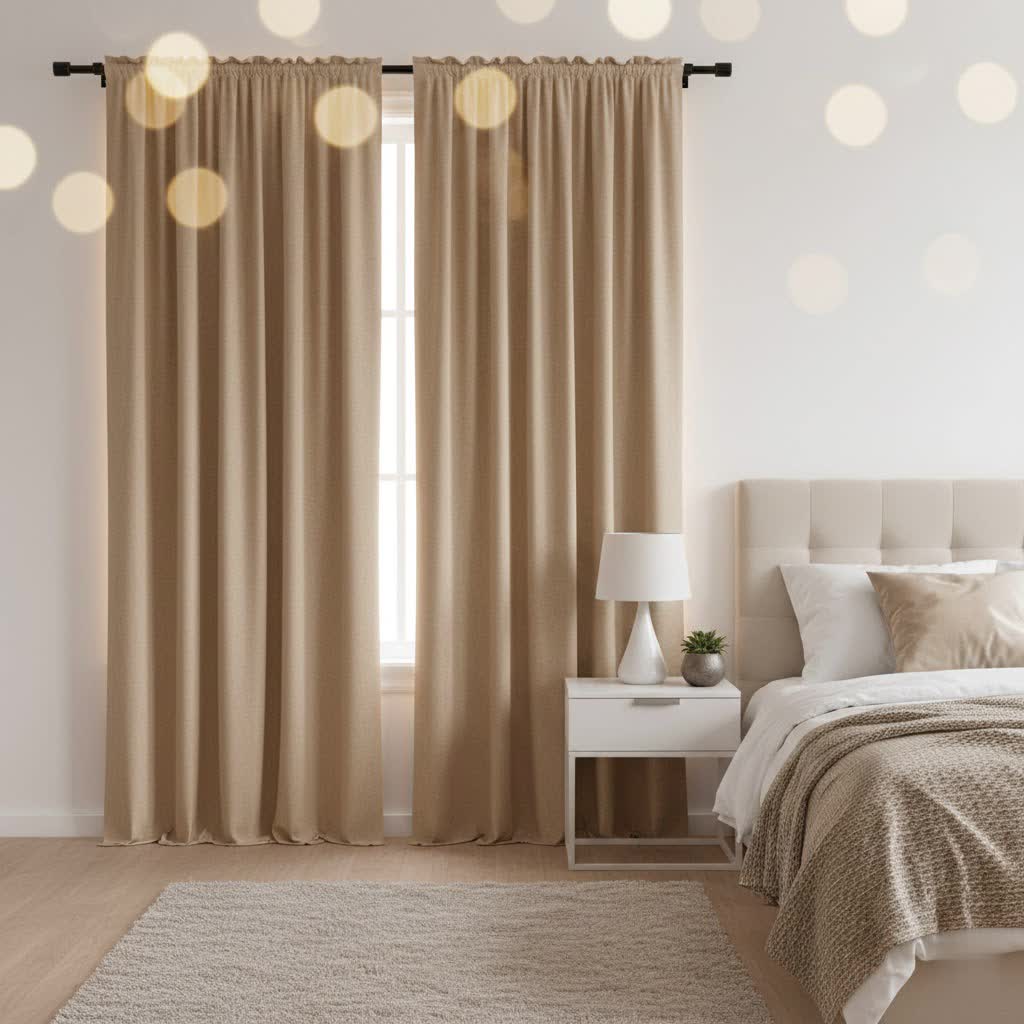
Imagine waking up feeling refreshed, even after a late night shift, or your toddler sleeping soundly through the morning sun. For many, achieving a truly dark and peaceful bedroom environment is a dream. The relentless glare of streetlights, the early morning sun, or the distracting glow of city lights can disrupt sleep patterns and diminish privacy, turning your sanctuary into a source of stress. This article is your ultimate guide to navigating the world of blackout curtains, offering expert insights and practical advice to help you select the perfect solution for your bedroom, ensuring optimal darkness, comfort, and tranquility.
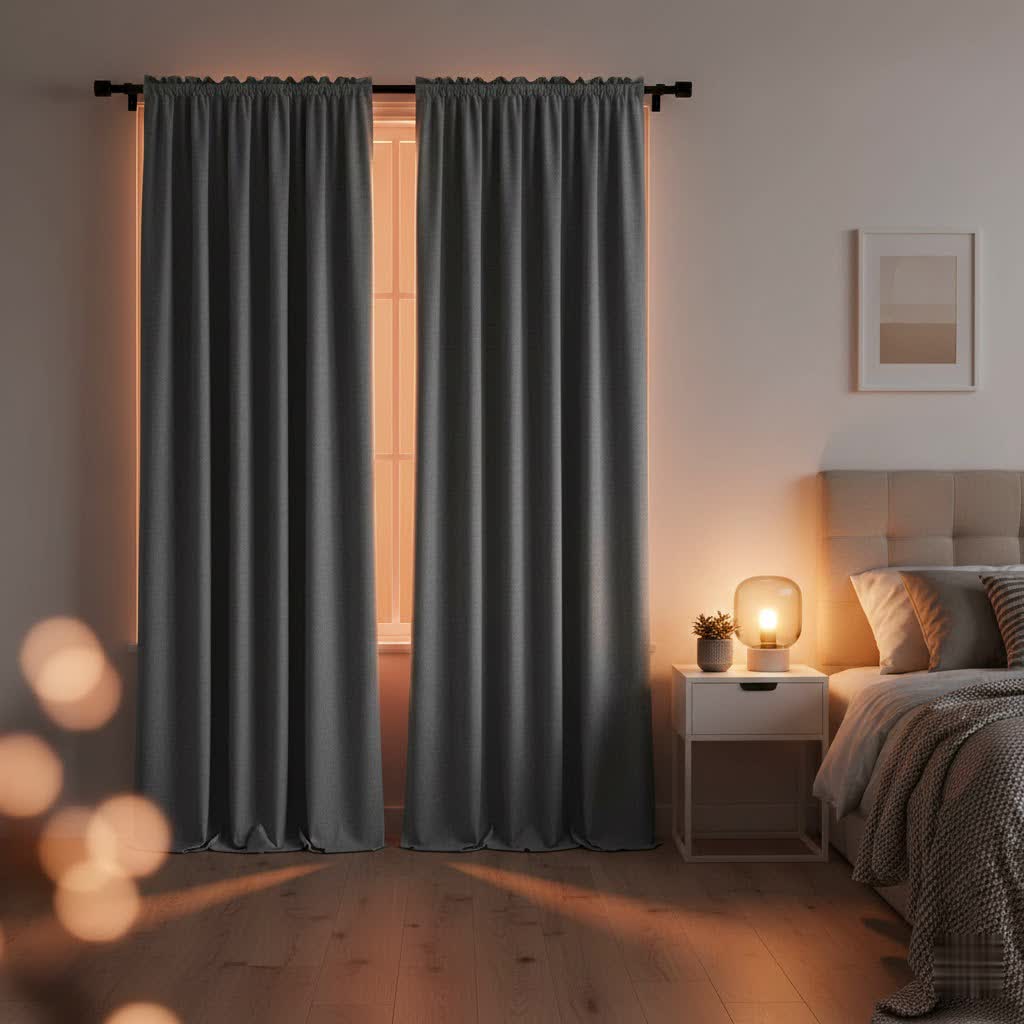
What Are Blackout Curtains?
Blackout curtains are specialized window treatments designed to completely block out external light, creating a dark, serene environment ideal for sleep or daytime privacy. Unlike standard curtains that merely dim a room, true blackout curtains are engineered with specific materials and construction to achieve near-total light obstruction.
Their mechanism primarily relies on the unique properties of their fabric and layering. Most blackout curtains feature dense, tightly woven fabrics, often with a special backing or multiple layers. Common construction methods include a 3-pass foam coating (where a layer of black foam is sandwiched between two layers of fabric, or a black layer is coated onto the back of the curtain), or multiple fabric layers tightly woven to prevent light from passing through. These dense materials and specific coatings work by absorbing or reflecting light rather than allowing it to filter through, effectively creating a barrier against external illumination. This innovative design ensures that your bedroom remains dark, regardless of the time of day or the intensity of outdoor light.
Benefits When Using Blackout Curtains
Beyond simply blocking light, blackout curtains offer a multitude of advantages that significantly enhance bedroom comfort and overall well-being. Investing in quality blackout curtains can transform your sleeping environment and bring noticeable improvements to your daily life.
Firstly, they provide absolute light blocking, which is paramount for improved sleep quality. For individuals working night shifts, young children needing daytime naps, or anyone sensitive to light, an utterly dark room signals the body to produce melatonin, facilitating deeper and more restorative sleep. By eliminating external light disturbances, blackout curtains help regulate your circadian rhythm, leading to more consistent and healthier sleep patterns.
Secondly, these curtains contribute to energy savings by acting as a thermal barrier. Their dense construction helps to insulate your windows, keeping the heat out during hot summer months and retaining warmth indoors during winter. This reduction in heat transfer means your HVAC system doesn’t have to work as hard, potentially leading to lower electricity bills and a more sustainable home.
Thirdly, blackout curtains offer protection for your furniture and decor. Constant exposure to direct sunlight and harmful UV rays can cause upholstery, carpets, and artwork to fade, crack, or deteriorate over time. By blocking these rays, blackout curtains safeguard your valuable bedroom furnishings, preserving their color and integrity for longer.
Fourthly, they increase privacy significantly. The opaque nature of blackout curtains ensures that no one can see into your bedroom from outside, even at night when lights are on inside. This absolute privacy is especially beneficial for ground-floor bedrooms or homes in densely populated areas, giving you complete peace of mind.
Lastly, many blackout curtains also offer a degree of noise reduction. The thick, multi-layered fabrics can absorb sound waves, helping to dampen external noises like traffic, neighborhood sounds, or adverse weather. While not a complete soundproofing solution, this subtle reduction in ambient noise contributes to a quieter and more peaceful sleeping environment.
Popular Types of Blackout Curtains
When selecting the best blackout curtains for your bedroom, understanding the various types available is crucial. Each style offers unique advantages in terms of aesthetics, functionality, and light-blocking efficacy. Your choice will largely depend on your desired look, the specific needs of your window, and your overall budget.
Fabric blackout curtains are the most common and versatile option. These typically feature a standard curtain design made from a heavy, densely woven fabric like polyester or a cotton blend, often with a specialized blackout lining or a foam-backed coating. Their primary advantages include a vast array of colors, patterns, and textures, allowing them to blend seamlessly with any bedroom decor. They are generally easy to install and maintain, with many being machine washable. However, their bulkier nature might make them less suitable for very small rooms, and the extent of light blockage can vary based on the quality of the lining.
Roller blackout blinds offer a sleek, modern, and minimalist look. These blinds consist of a single piece of blackout fabric (often PVC or fiberglass-based) that rolls up into a cassette at the top of the window. Their clean lines and discreet design are perfect for contemporary bedrooms or those with limited space. When installed inside the window frame, they can provide an excellent light seal, minimizing light leakage around the edges. While highly effective at blocking light and easy to clean, they offer fewer decorative options compared to fabric curtains and may not provide the same level of thermal insulation unless specially designed.
Roman blackout shades combine elegance with functionality, folding into soft, horizontal pleats when raised. Made from a single panel of blackout fabric or a lined decorative fabric, they bring a touch of sophistication and warmth to a room. Roman shades are ideal for bedrooms where you want both effective light control and a classic, tailored aesthetic. They generally offer good insulation and privacy. However, they can be more expensive than other types, and their pleated structure can make cleaning more challenging.
Vertical blackout blinds are less common for typical bedrooms but can be an effective solution for large windows, sliding glass doors, or unusually shaped windows. Comprising individual vertical slats made from blackout material, they offer excellent light control, allowing you to adjust the angle of the slats to manage both light and privacy precisely. While highly functional and easy to clean, their aesthetic often leans towards a more functional or office-like appearance, which might not suit every bedroom’s decorative theme. They excel in situations where expansive coverage and directional light adjustment are priorities.
Comparison Table of Popular Blackout Curtains
Choosing the right blackout curtain involves weighing different features against your specific needs. This table provides a quick comparison of the most popular types.
| Feature | Fabric Blackout Curtains | Roller Blackout Blinds | Roman Blackout Shades | Vertical Blackout Blinds |
|---|---|---|---|---|
| Light Blocking | High | High (especially inside mount) | Medium to High | Medium |
| Aesthetics | Diverse designs, colors, textures | Modern, minimalist | Elegant, classic, tailored | Functional, professional |
| Durability | Good | Excellent | Good | Excellent |
| Price Range | Medium – High | Medium | High | Medium |
| Cleaning | Varies (washable to dry-clean) | Easy (wipe clean) | More challenging (spot clean) | Easy (wipe clean) |
| Insulation | Good | Medium to Good | Good | Medium |
| Privacy | Excellent | Excellent | Excellent | Excellent |
| Light Leakage | Can occur around edges | Minimal with proper install | Some light may seep through sides | Gaps between slats possible |
How to Choose the Best Blackout Curtains for Your Bedroom
Selecting the perfect blackout curtains involves a thoughtful approach to ensure they meet your specific needs for darkness, aesthetics, and functionality. As an expert in window treatments, I always advise considering several key factors before making a purchase.
First, identify your primary usage needs. Are you a shift worker needing absolute darkness during the day for critical sleep? Do you have a nursery where consistent darkness aids infant sleep? Or are you simply looking for enhanced privacy and temperature control? Your answer will influence the level of blackout efficacy and insulation you require. For total darkness, look for curtains explicitly labeled “100% blackout” or “absolute blackout” with multi-layer or foam-backed construction.
Second, select appropriate materials and construction. High-quality blackout curtains often feature a three-pass foam backing, multiple fabric layers, or tightly woven polyester blends. These materials are highly effective at blocking light and often provide additional thermal and sound insulation. Always prioritize materials that are safe, durable, and easy to maintain. Consider the fabric’s weight and drape; heavier fabrics generally offer better light blockage and insulation.
Third, accurate measurement of your windows is paramount. Even the best blackout curtains will fail if they don’t cover your windows adequately. Measure the width of your window frame, and then add 10-20 inches to ensure the curtains extend beyond the frame on both sides, minimizing light leakage. For length, measure from the curtain rod to your desired finish point – typically just above the floor, touching the floor, or puddling slightly for a luxurious look. Consider an outside mount for roller blinds or shades to ensure complete coverage.
Fourth, choose colors and styles that complement your bedroom interior. While dark colors historically offered better light blockage, modern blackout technology allows even lighter-colored curtains with effective backings to achieve significant darkness. Select a style – be it classic fabric drapes, modern roller blinds, or elegant Roman shades – that enhances your room’s aesthetic. The heading type (grommet, rod pocket, pinch pleat) can also impact both style and light blockage; some headings naturally create fuller drapes that block more light at the top.
Finally, don’t hesitate to seek expert advice. If you’re unsure about measurements, material choices, or installation, consult with a window treatment specialist. They can provide tailored recommendations, ensuring you get the most effective and aesthetically pleasing solution for your unique bedroom space.
Top Features to Look for in Blackout Curtains
While specific brands can vary greatly, focusing on key features will help you identify high-quality, effective blackout curtains for your bedroom. Instead of getting fixated on a brand name, look for products that incorporate these elements to ensure optimal performance.
Multi-layer construction is a hallmark of superior blackout curtains. This typically involves at least two, often three, distinct layers: a decorative front fabric, a dense light-blocking layer (often black or a dark color), and sometimes an additional thermal lining. This layered approach not only enhances light blockage but also significantly improves insulation, helping to maintain your room’s temperature.
Another critical feature is the thermal backing or coating. This often comes in the form of a 3-pass foam coating, acrylic coating, or a separate thermal liner. This backing is key to both blocking light and providing energy efficiency, as it reflects heat in summer and retains warmth in winter. Curtains with robust thermal backings are highly recommended for bedrooms where temperature control is a priority.
Consider the heading type and overall panel width. For maximum light blockage, aim for curtain panels that are at least 1.5 to 2 times the width of your window for a full, gathered look that minimizes gaps. Heading types like grommet or rod pocket are common and easy to install, but for superior light seal, consider a curtain track system or a wrap-around rod that allows the curtain to hug the wall, preventing light leakage from the sides. Some high-end options include magnetic side closures or Velcro strips to seal the edges completely.
Also, look for OEKO-TEX certified materials. This certification ensures that the fabrics are free from harmful substances, which is especially important for bedroom environments, particularly nurseries. Prioritizing health and safety alongside performance is always a wise choice.
Finally, consider ease of maintenance. While some high-quality blackout curtains may require dry cleaning, many modern options are machine washable, making them convenient for regular upkeep. Always check the care label before purchasing to ensure it aligns with your lifestyle.
Tips for Using and Maintaining Blackout Curtains
To ensure your blackout curtains perform optimally and last for years, proper usage and diligent maintenance are essential. Following these expert tips will help you maximize their benefits and preserve their quality.
Firstly, regular cleaning is crucial to prevent dust and allergens from accumulating. For fabric curtains, use a soft brush attachment on your vacuum cleaner to gently remove dust weekly or bi-weekly. For roller blinds or vertical blinds, a quick wipe down with a damp cloth can keep them looking fresh. This simple routine not only maintains their appearance but also prevents the buildup of particles that could diminish air quality in your bedroom.
When it comes to washing blackout curtains, always adhere strictly to the manufacturer’s care instructions. Many blackout curtains, especially those with foam backings, cannot be machine washed or require special delicate cycles and cold water to avoid damaging the specialized coating. Some may only be spot-cleaned or require professional dry cleaning. Incorrect washing can cause the blackout lining to crack, peel, or lose its light-blocking properties. If machine washing is permitted, use a mild detergent and avoid harsh chemicals or bleach.
A critical tip for longevity is to avoid prolonged, direct exposure to intense sunlight when the curtains are closed. While blackout curtains are designed to block sun, constant, intense UV exposure, especially on the backing, can accelerate the deterioration of the thermal or blackout coating over many years. If your window receives extreme direct sun for extended periods, consider partially drawing back the curtains during the brightest parts of the day if privacy isn’t an issue, or pair them with a sheer outer curtain to filter some UV without compromising darkness when closed.
Finally, periodic inspection and basic maintenance of the curtain hardware are recommended. Check the curtain rod, rings, or blind mechanisms to ensure they are functioning smoothly and securely. Tighten any loose screws, lubricate tracks if necessary, and ensure no components are bent or damaged. This preventative care ensures your curtains operate seamlessly and extends the life of the entire window treatment system. By following these simple guidelines, your blackout curtains will continue to provide the deep sleep and comfort you deserve for a long time.
“The true magic of blackout curtains isn’t just blocking light; it’s transforming a room into a personal sanctuary where restful sleep and complete privacy are guaranteed.” – Nguyen An Duc, Lead Technician, reviewraudms.com
Conclusion
Choosing the best blackout curtains for your bedroom is a significant step towards creating a truly comfortable and restorative sleeping environment. From their fundamental ability to block out unwanted light to their impressive benefits in energy efficiency, privacy enhancement, and even noise reduction, these specialized window treatments offer a comprehensive solution for a better night’s sleep. By understanding the different types, carefully considering materials, taking precise measurements, and adhering to simple maintenance routines, you can select curtains that perfectly align with your needs and aesthetic preferences. Embrace the power of darkness and transform your bedroom into the ultimate haven for rest and rejuvenation.
Are you ready to experience the profound difference that perfect darkness can make to your sleep and daily well-being?
Frequently Asked Questions
Are all blackout curtains 100% light blocking?
|
Our Picks for the Best Blackout Curtains in 2026
We may earn a commission when you use one of our links to make a purchase.
|
||
| Num | Product | Action |
|---|---|---|
| 1 | NICETOWN Pitch Black Solid Thermal Insulated Grommet Blackout Curtains/Drapes for Bedroom Window (2 Panels, 42 inches Wide by 63 inches Long, Black) |

|
| 2 | NICETOWN Nursery Essential Thermal Insulated Solid Grommet Top Blackout Curtains/Drapes (1 Pair, 42 x 63 inches in Baby Pink) |
|
| 3 | NICETOWN 100% Blackout Window Curtain Panels, Cold and Full Light Blocking Drapes with Black Liner for Nursery, 84 inches Drop Thermal Insulated Draperies (White, 2 Pieces, 52 Wide Each Panel) |
|
| 4 | NICETOWN Thermal Insulated Grommet Room Darkening Curtains/Draperies/Panels for Bedroom (2 Panels, W42 x L63 inches, Biscotti Beige) |
|
| 5 | NICETOWN Living Room Completely Shaded Draperies, Privacy Protection & Noise Reducing Ring Top Drapes, Black Lined Insulated Window Treatment Curtain Panels (Beige, 2 Pieces, W52 x L84) |
|
| 6 | NICETOWN Kitchen Curtains for Decoration, Thermal Insulated Grommet Room Darkening Draperies/Panels for Laundry (Beige, 2 Panels, W42 x L63 inches) |
|
| 7 | NICETOWN Aqua Blue 100% Blackout Curtain Set, Thermal Insulated & Energy Efficiency Window Draperies for Guest Room, Full Shading Panels for Shift Worker and Light Sleepers, 52W x 84L, 2 PCs |
|
| 8 | NICETOWN Aqua Blue Room Darkening Curtains for Kitchen, Window Treatment Thermal Insulated Solid Grommet Curtains/Drapes Bedroom (Set of 2, 42 inches Wide by 63 Long) |
|
| 9 | NICETOWN Living Room Completely Shaded Draperies, Privacy Protection & Noise Reducing Ring Top Drapes, Black Lined Insulated Window Treatment Curtain Panels(Biscotti Beige, 2 Pieces, W52 x L84) |
|
| 10 | NICETOWN Light Blue Curtains for Nursery, Thermal Insulated Grommet Room Darkning Curtain Panels for Bedroom/Living Room, Privacy Drapes for Classroom(1 Pair, W42 x L63 inches, Blue) |
|
Not all curtains marketed as “blackout” achieve 100% light blockage. True 100% blackout curtains typically feature multi-layer construction or a specific 3-pass foam backing. Always check product descriptions for “absolute blackout” or “100% light blocking” claims and customer reviews to confirm their efficacy.
What’s the best material for blackout curtains?
Polyester with a specialized thermal or foam backing is generally considered the most effective material for blackout curtains. It’s durable, resistant to wrinkles, and provides excellent light blockage. Cotton blends with a separate blackout liner are also popular, offering a softer drape and feel.
Can blackout curtains save money on energy bills?
Yes, blackout curtains can significantly contribute to energy savings. Their dense, insulated layers act as a thermal barrier, helping to keep your room cooler in the summer by blocking sunlight and warmer in the winter by reducing heat loss through windows. This can lead to reduced reliance on heating and air conditioning systems.
How do I measure for blackout curtains in my bedroom to prevent light leakage?
For optimal light blocking, measure the width of your window frame and add an extra 10-20 inches (5-10 inches on each side) to ensure the curtains extend well beyond the window. For length, measure from your curtain rod to just above the floor, ensuring minimal gaps at the top, sides, and bottom. Consider a wrap-around rod for extra side coverage.
Are blackout curtains safe for nurseries?
Yes, blackout curtains are highly recommended for nurseries as they promote consistent sleep schedules for infants and toddlers by blocking daylight. Look for curtains made from OEKO-TEX certified materials, which ensure they are free from harmful substances, making them safe for children’s environments.
Do blackout curtains reduce noise?
While not designed for complete soundproofing, the thick, dense materials and multiple layers of blackout curtains can help to absorb and dampen external sounds. This provides a noticeable reduction in ambient noise, contributing to a quieter and more peaceful sleeping environment, especially in urban areas.
Can I wash blackout curtains?
It depends on the curtain’s material and backing. Always check the care label provided by the manufacturer. Many blackout curtains with foam backings require spot cleaning or dry cleaning, while some fabric versions may be machine washable on a delicate cycle with cold water. Incorrect washing can damage the blackout coating.