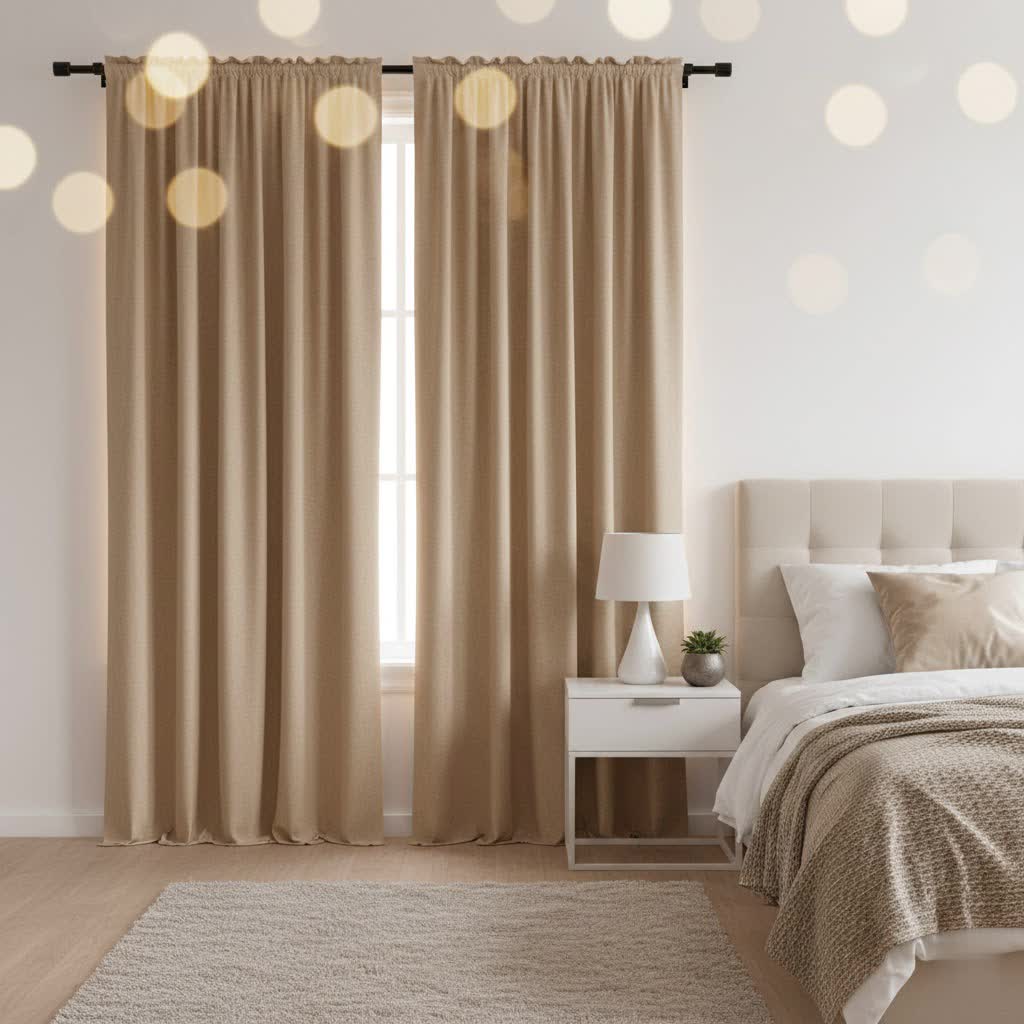
Are you tired of waking up to unwanted sunlight streaming into your bedroom, or struggling to keep your living room cool during scorching afternoons? You’re not alone. In today’s homes, finding the perfect balance between style and practical living solutions is key. This is where beige blackout curtains come in, offering an elegant solution to common household challenges. Far from just a decorative element, these versatile drapes provide exceptional light control, thermal insulation, and a touch of sophisticated warmth that complements almost any interior design. Join us as we explore how beige blackout curtains can transform your space, enhancing comfort, privacy, and aesthetic appeal.
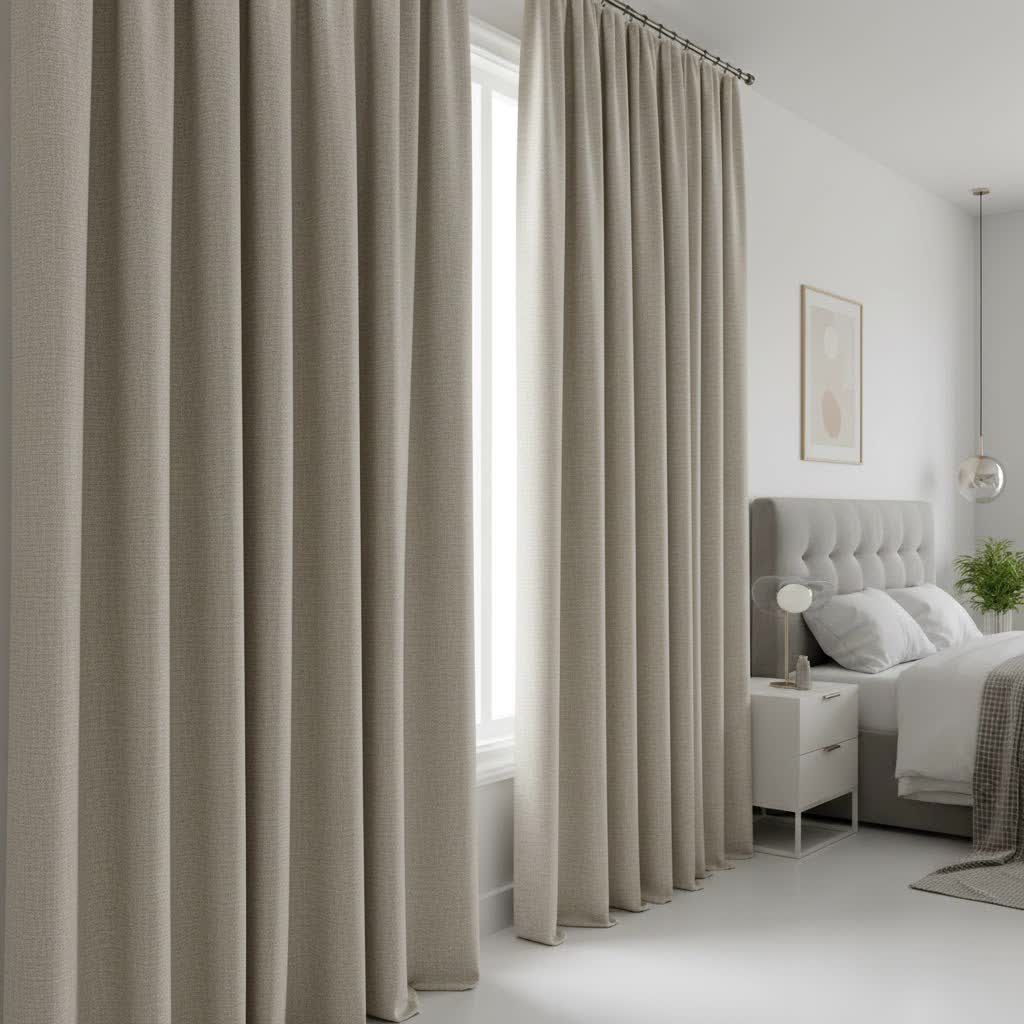
What Are Blackout Curtains?
Blackout curtains are specialized window treatments designed to block out nearly all external light. Unlike standard curtains, which may only dim a room, true blackout curtains create an environment of complete darkness, making them ideal for bedrooms, nurseries, or home theater rooms. Their efficacy stems from their unique construction, typically featuring multiple layers of densely woven fabric, often with a special lining or a triple-weave technology. This multi-layered design not only prevents light from penetrating but also enhances the curtain’s ability to insulate and absorb sound. The material usually consists of polyester, often blended with other fibers, engineered to be opaque and durable. While darker colors are commonly associated with superior light blocking, advances in textile technology mean that even lighter shades like beige can achieve remarkable blackout performance thanks to their internal structure and backing.
Benefits of Using Blackout Curtains
The advantages of installing blackout curtains extend far beyond simply blocking light. These versatile window treatments offer a multitude of benefits that enhance comfort, privacy, and energy efficiency in any home.
- Absolute Light Blockage: This is the primary benefit. Blackout curtains are designed to prevent virtually all external light from entering a room, creating a dark sanctuary perfect for improving sleep quality. This is particularly beneficial for shift workers, light-sensitive individuals, or young children needing daytime naps.
- Energy Savings: The thick, multi-layered fabric acts as an effective thermal barrier. In summer, they block solar heat gain, keeping rooms cooler and reducing the need for air conditioning. In winter, they prevent heat from escaping through windows, helping to retain warmth and lower heating costs. This can lead to significant energy bill reductions throughout the year.
- UV Protection for Furniture: Harmful ultraviolet (UV) rays from the sun can fade and damage furniture, flooring, and artwork over time. Blackout curtains provide a protective shield, preserving the lifespan and vibrancy of your interior furnishings.
- Enhanced Privacy: Their opaque nature ensures complete privacy, preventing prying eyes from seeing into your home. This is especially valuable for ground-floor rooms, bedrooms, or bathrooms, offering peace of mind and security.
- Noise Reduction: The dense fabric layers also help to dampen external noise, creating a quieter, more tranquil indoor environment. While not entirely soundproof, they can significantly reduce disturbances from street traffic, neighbors, or other outdoor sounds, contributing to a more restful atmosphere.
Popular Types of Blackout Curtains
Blackout curtains come in various styles, each offering unique aesthetic and functional characteristics. The choice often depends on your interior design, window type, and personal preference.
- Fabric Blackout Curtains: These are the most traditional and widely recognized type. They offer the greatest versatility in terms of material, pattern, and color.
- Pros: Highly customizable, wide range of aesthetic options, excellent thermal and noise insulation. Many are machine washable.
- Cons: Can be bulky, may require more effort to open/close daily if very heavy.
- Common Materials: Polyester (durable, wrinkle-resistant), polyester blends (for added texture or drape), velvet (luxurious, heavier, excellent insulation), faux linen (texture of linen with durability of synthetic). The blackout capability comes from a dense weave or an added liner/coating.
- Roller Blackout Blinds: Offering a sleek and minimalist look, roller blinds are a popular choice for modern spaces.
- Pros: Very effective at light blocking due to tight fit, space-saving, easy to operate.
- Cons: Less decorative than fabric curtains, can feel more utilitarian.
- Mechanism/Fabric: Operated by a chain or spring mechanism, typically made from PVC or specially treated synthetic fabrics that are completely opaque.
- Roman Blackout Shades: These shades combine the soft look of fabric with the clean lines of a blind, folding into neat pleats when raised.
- Pros: Elegant and sophisticated appearance, good insulation.
- Cons: Can be more expensive, more complex to clean than simple panels, may not achieve 100% blackout due to light gaps at the sides.
- Style: Available in various fabric types, often chosen for their decorative appeal in living rooms or dining areas.
- Vertical Blackout Blinds: Best suited for large windows and sliding glass doors, vertical blinds feature individual slats that can be rotated to control light.
- Pros: Excellent for light control and privacy on wide openings, professional look.
- Cons: Can be noisy when moving, less effective at total blackout due to gaps between slats, can accumulate dust.
- Application: Often seen in offices or contemporary homes with expansive glass areas.
Comparison Table of Popular Blackout Curtain Types
Selecting the right type of blackout curtain involves weighing various features. Here’s a comparison to help you decide:
| Feature | Fabric Blackout Curtains | Roller Blackout Blinds | Roman Blackout Shades | Vertical Blackout Blinds |
|---|---|---|---|---|
| Light Blocking Ability | High | Very High (tight fit) | Medium to High | Medium |
| Aesthetic Appeal | Highly diverse, soft, luxurious | Modern, minimalist, clean | Elegant, classic, structured | Simple, functional, professional |
| Durability | Good to Excellent | Good | Good | Good |
| Price Range | Medium – High | Medium | High | Medium |
| Ease of Cleaning | Varies (some machine wash) | Easy to wipe clean | Can be complex | Easy to wipe slats |
| Insulation/Noise Red. | Excellent | Good | Good | Moderate |
| Best For | Bedrooms, living rooms | Modern spaces, nurseries | Living rooms, dining rooms | Large windows, sliding doors, offices |
Guide to Choosing Beige Blackout Curtains
Choosing the perfect beige blackout curtains requires careful consideration of both practical needs and aesthetic preferences. A well-chosen curtain can significantly enhance your home’s comfort and style.
-
Determine Your Needs:
- Room Function: For a bedroom or nursery, 100% blackout is usually preferred to maximize sleep. For a living room, you might prioritize light reduction and privacy over absolute darkness, especially if you appreciate some natural light during the day.
- Sun Exposure: Windows facing east or west receive intense direct sunlight, requiring more robust blackout capabilities and thermal insulation.
- Privacy: If your windows are overlooked, privacy will be a major concern, making full-coverage blackout curtains essential.
-
Select the Right Material:
- Polyester/Blends: Common for blackout curtains, offering durability, wrinkle resistance, and often machine washability. They can mimic various textures like linen or silk.
- Velvet: Provides a luxurious feel, excellent insulation, and superior light blocking due to its dense pile. Beige velvet can add a rich, warm texture.
- Faux Linen: Offers the relaxed, natural look of linen without the high maintenance. Combined with a blackout lining, it provides a sophisticated yet casual aesthetic.
- Triple Weave Fabric: Many high-quality blackout curtains use this innovative construction, weaving black threads between two layers of colored fabric to achieve light blockage without a separate lining. This method is often responsible for beige curtains achieving full blackout.
-
Measure Accurately:
- Width: Measure the width of your window frame and add an extra 6-12 inches on each side to ensure complete light blockage and a fuller, more luxurious look when closed.
- Length: Measure from the top of your curtain rod to your desired length (e.g., sill length, floor length, or pooling on the floor). For blackout effectiveness, curtains should ideally extend beyond the window frame both horizontally and vertically to minimize light leakage.
-
Match Style and Color to Your Interior:
- Beige Versatility: Beige is a neutral, warm, and highly versatile color that complements a vast array of decor styles, from minimalist and modern to farmhouse and bohemian. It creates a calming backdrop and pairs well with almost any accent color.
- Texture: Consider the texture of the fabric. A smooth polyester offers a clean look, while a textured faux linen or a plush velvet can add depth and warmth.
- Header Style:
- Grommet Top: Modern, easy to slide open and close, creates soft, wide pleats.
- Rod Pocket: Classic, gathered look, but less easy to slide.
- Back Tab: Provides a cleaner, tailored look where the rod is hidden.
- Pinch Pleat: Formal, elegant, and structured.
-
Consult Experts: If you’re unsure about measurements, fabric choices, or installation, don’t hesitate to seek advice from interior designers or curtain specialists. Their expertise can ensure you make the best choice for your specific needs and achieve a polished finish.
Top Brands for Beige Blackout Curtains
While it’s challenging to provide specific “top brands in Vietnam” without local market research, I can highlight well-regarded global brands known for quality blackout curtains that often offer a wide range of beige options. Many of these brands are available internationally through online retailers.
- Deconovo: Frequently appearing in search results, Deconovo is known for affordable yet effective blackout curtains. They offer various beige shades in polyester, velvet, and faux linen textures, often featuring grommet or rod pocket headers. Their products are often praised for their light-blocking technology and thermal insulation.
- Sun Zero: Another popular brand recognized for its energy-saving blackout solutions. Sun Zero offers a range of beige options, often with grommet tops for easy sliding and thermal insulation properties. They focus on complete light blockage and noise reduction.
- Exclusive Fabrics & Arts: This brand often provides more luxurious options, including textured faux linen and plush velvet blackout curtains in various beige tones. They are noted for their quality fabric and elegant designs, catering to a slightly more upscale market.
- Nicetown: Known for high-quality thermal insulated blackout curtains, Nicetown offers a variety of styles and fabrics in the beige spectrum. Their curtains are often highlighted for softness, durability, and strong light-blocking capabilities.
- Eclipse: Offering a blend of style and function, Eclipse provides a good selection of blackout curtains, including microfiber options, which are soft, easy to maintain, and effective at light blocking and thermal insulation.
When choosing, look for customer reviews regarding the actual blackout effectiveness of the beige color, as some lighter shades from less reputable brands might perform less effectively than their darker counterparts. Always check for details like “100% blackout” versus “room darkening” and look for certifications regarding material safety (e.g., OEKO-TEX certified) to avoid off-gassing issues.
Tips for Using and Maintaining Beige Blackout Curtains
To ensure your beige blackout curtains remain effective and beautiful for years, proper usage and maintenance are essential.
- Regular Cleaning: Dust and allergens can accumulate on thick curtain fabrics. Regularly vacuum your curtains using an upholstery attachment or gently shake them outdoors to remove loose dust. This keeps them looking fresh and helps maintain air quality.
- Washing Instructions: Always refer to the manufacturer’s care label. Many polyester blackout curtains are machine washable on a gentle cycle with cold water and mild detergent. However, some delicate fabrics like velvet or curtains with specific linings might require dry cleaning or spot cleaning. Avoid harsh chemicals or bleach, which can damage the fabric and its blackout properties.
- Drying Correctly: Tumble dry on a low heat setting or, preferably, air dry. High heat can damage the blackout backing or cause shrinkage. If air drying, hang them evenly to prevent stretching or creasing. Avoid direct sunlight when drying to protect the blackout layer’s integrity.
- Smoothing Creases: If your curtains develop creases from packaging or washing, a light ironing on a low setting on the fabric side (never directly on the blackout lining) or steaming can effectively smooth them out. Always test on an inconspicuous area first.
- Periodic Inspection: Routinely check the curtain hardware, such as rings, hooks, and rods, to ensure they are secure and functioning smoothly. Lubricate any stiff mechanisms if necessary. This prevents wear and tear on both the curtains and the hanging system, ensuring your curtains continue to operate perfectly.
“Beige blackout curtains are a masterclass in blending utility with understated elegance. They prove you don’t have to sacrifice style for superior light control and energy efficiency.” – Sarah Chen, Lead Interior Designer at Serene Spaces
Conclusion
Beige blackout curtains are more than just a trend; they are a timeless and practical investment for any home. By offering exceptional light blocking, thermal insulation, noise reduction, and enhanced privacy, they significantly contribute to a more comfortable, restful, and energy-efficient living environment. Their neutral, warm hue effortlessly integrates with diverse decor styles, proving that functionality doesn’t have to compromise aesthetics. From improving sleep quality in the bedroom to protecting your cherished furniture from UV damage, the benefits are clear. With careful selection, proper measurement, and diligent care, your beige blackout curtains will serve as a stylish and effective solution, creating the perfect ambiance for years to come.
What role do you envision beige blackout curtains playing in transforming your home’s comfort and style?
Frequently Asked Questions
Can beige blackout curtains truly block 100% of light?
|
Our Picks for the Best Blackout Curtains in 2026
We may earn a commission when you use one of our links to make a purchase.
|
||
| Num | Product | Action |
|---|---|---|
| 1 | NICETOWN Pitch Black Solid Thermal Insulated Grommet Blackout Curtains/Drapes for Bedroom Window (2 Panels, 42 inches Wide by 63 inches Long, Black) |

|
| 2 | NICETOWN Thermal Insulated Grommet Room Darkening Curtains/Draperies/Panels for Bedroom (2 Panels, W42 x L63 inches, Biscotti Beige) |
|
| 3 | NICETOWN Living Room Completely Shaded Draperies, Privacy Protection & Noise Reducing Ring Top Drapes, Black Lined Insulated Window Treatment Curtain Panels (Beige, 2 Pieces, W52 x L84) |
|
| 4 | NICETOWN Aqua Blue 100% Blackout Curtain Set, Thermal Insulated & Energy Efficiency Window Draperies for Guest Room, Full Shading Panels for Shift Worker and Light Sleepers, 52W x 84L, 2 PCs |
|
| 5 | NICETOWN Nursery Essential Thermal Insulated Solid Grommet Top Blackout Curtains/Drapes (1 Pair, 42 x 63 inches in Baby Pink) |
|
| 6 | NICETOWN 100% Blackout Window Curtain Panels, Cold and Full Light Blocking Drapes with Black Liner for Nursery, 84 inches Drop Thermal Insulated Draperies (White, 2 Pieces, 52 Wide Each Panel) |
|
| 7 | NICETOWN Kitchen Curtains for Decoration, Thermal Insulated Grommet Room Darkening Draperies/Panels for Laundry (Beige, 2 Panels, W42 x L63 inches) |
|
| 8 | NICETOWN Light Blue Curtains for Nursery, Thermal Insulated Grommet Room Darkning Curtain Panels for Bedroom/Living Room, Privacy Drapes for Classroom(1 Pair, W42 x L63 inches, Blue) |
|
| 9 | NICETOWN Aqua Blue Room Darkening Curtains for Kitchen, Window Treatment Thermal Insulated Solid Grommet Curtains/Drapes Bedroom (Set of 2, 42 inches Wide by 63 Long) |
|
| 10 | NICETOWN Living Room Completely Shaded Draperies, Privacy Protection & Noise Reducing Ring Top Drapes, Black Lined Insulated Window Treatment Curtain Panels(Biscotti Beige, 2 Pieces, W52 x L84) |
|
Yes, high-quality beige blackout curtains can effectively block 100% of light. Their effectiveness primarily depends on the fabric’s construction, such as a dense triple-weave or a specialized blackout lining, rather than the exterior color alone. Always check for “100% blackout” claims or descriptions of multi-layered construction.
Are beige blackout curtains good for insulating a room?
Absolutely. The thick, multi-layered construction of blackout curtains, regardless of color, creates an effective thermal barrier. This helps keep your room cooler by blocking sun’s heat in summer and warmer by preventing heat escape in winter, leading to potential energy savings.
How do I clean beige blackout curtains?
Always follow the care label. Many polyester and synthetic blend beige blackout curtains are machine washable on a gentle cycle with cold water. Avoid high heat when drying. For delicate fabrics like velvet or those with specialized coatings, spot cleaning or professional dry cleaning might be necessary to preserve their integrity.
Do beige blackout curtains fade over time?
While all fabrics can experience some fading over long periods, quality beige blackout curtains are often made with fade-resistant materials and treatments. The internal blackout layer also helps protect the outer fabric from direct UV exposure, which is a primary cause of fading.
What header styles are best for beige blackout curtains?
Common and effective header styles include grommet tops (for easy sliding and modern look), rod pockets (for a traditional, gathered appearance), and back tabs (for a cleaner, tailored finish). For maximum light blockage, ensure the curtain width extends significantly beyond the window frame.