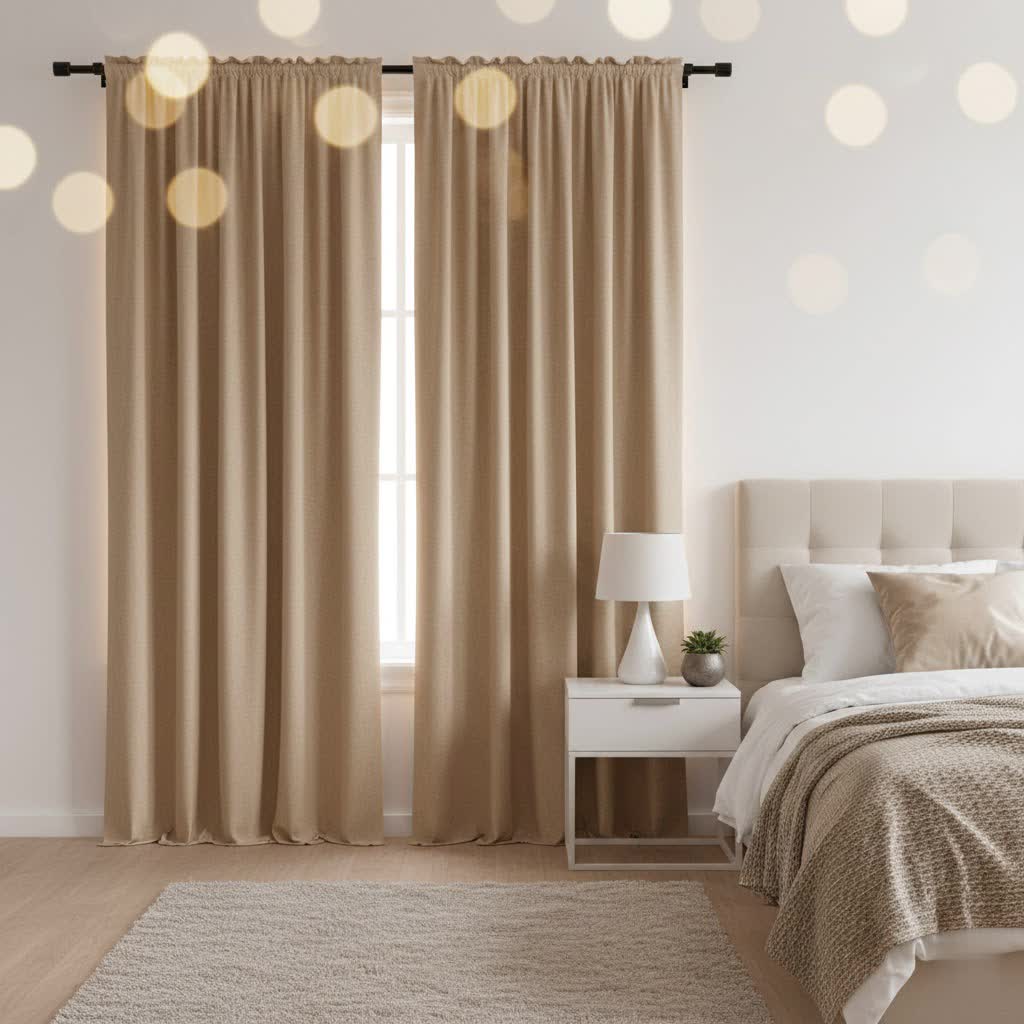
Are you struggling with unwanted light disrupting your sleep, heating your home, or fading your furniture? Blackout curtains might be the perfect solution you’ve been searching for. These specially designed window treatments offer a powerful shield against sunlight, transforming your living space into a haven of darkness and comfort. From improving sleep quality to boosting energy efficiency, blackout curtains provide a multitude of benefits that can significantly enhance your home environment. Let’s delve into the world of blackout curtains and discover how to choose the ideal ones for your needs.
What Are Blackout Curtains?
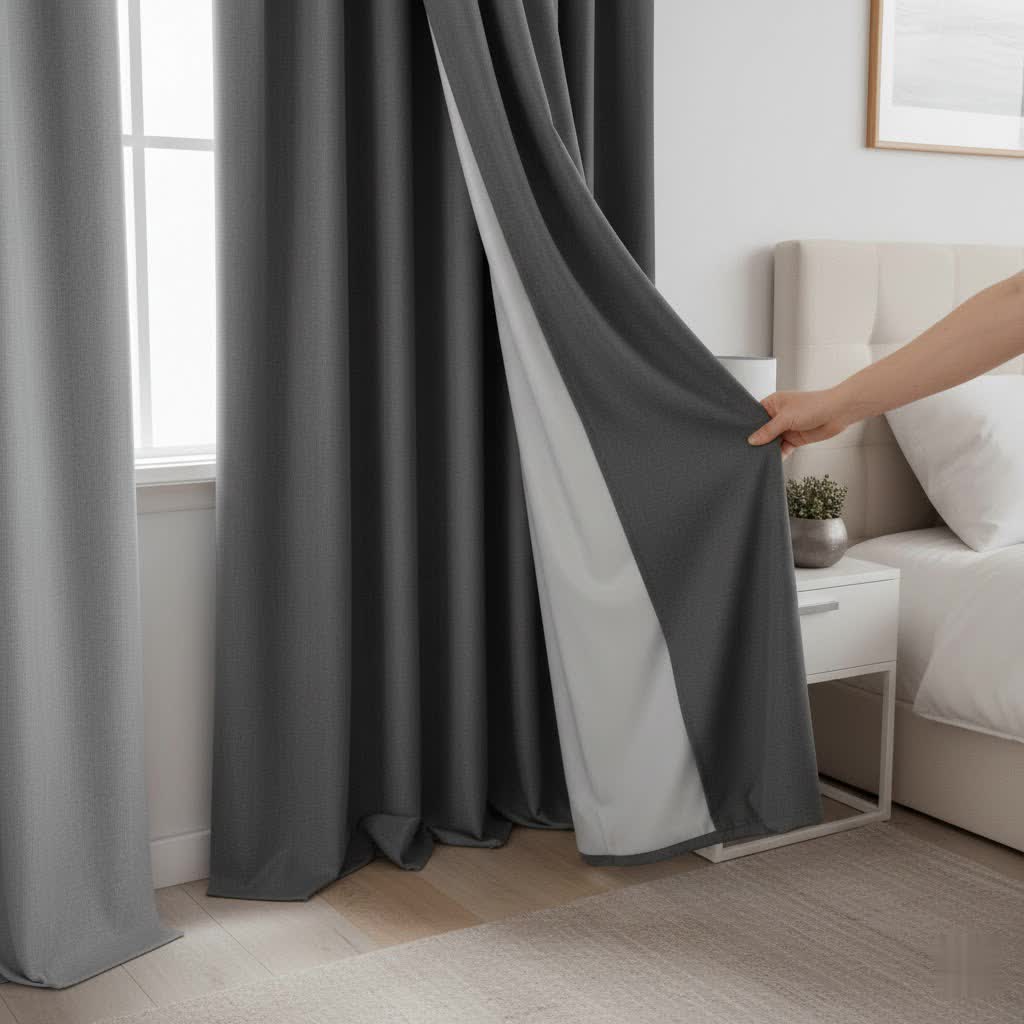
Blackout curtains are window coverings specifically engineered to block out nearly all external light. Unlike regular curtains that filter or diffuse light, blackout curtains aim for total darkness, making them a popular choice for bedrooms, nurseries, and media rooms. Their defining characteristic is their ability to prevent light from penetrating the fabric, creating an opaque barrier.
The mechanism behind their superior light-blocking ability typically involves multiple layers of densely woven fabric or a special coating applied to the fabric’s back. Often, a layer of foam, rubber, or a tightly woven black lining is integrated into the curtain structure. This multi-layered design traps light particles, effectively stopping them from passing through and illuminating the room. The darker the lining or internal layer, the more effective the blackout capability tends to be.
Benefits of Using Blackout Curtains
Beyond simply blocking light, blackout curtains offer a wealth of advantages that contribute to a more comfortable, private, and energy-efficient home. Investing in these specialized curtains can significantly improve various aspects of your daily life.
- Absolute Light Blockage: The primary benefit is their ability to create complete darkness, which is invaluable for improving sleep, especially for shift workers, light sleepers, or young children who need naps during the day. This also makes them ideal for home theaters, enhancing the viewing experience by eliminating glare.
- Energy Savings: Blackout curtains act as an excellent insulator. In warmer months, they block solar heat gain, preventing your room from overheating and reducing the need for air conditioning. Conversely, during colder periods, they help retain heat, keeping your room warmer and lowering heating costs. This thermal insulation can lead to noticeable reductions in your energy bills.
- Furniture Protection: Harmful UV rays from the sun can cause fading and damage to your furniture, flooring, artwork, and other interior decor over time. Blackout curtains provide a protective barrier, shielding your valuable belongings from these damaging rays and helping them maintain their original appearance and longevity.
- Enhanced Privacy: Their opaque nature ensures complete privacy, preventing prying eyes from looking into your home, day or night. This is particularly beneficial for street-facing windows or ground-floor rooms, offering peace of mind and security.
- Noise Reduction: While not their primary function, the dense and often multi-layered construction of blackout curtains can also offer a degree of sound insulation. They help dampen external noise, such as traffic or street sounds, contributing to a quieter and more serene indoor environment.
Popular Types of Blackout Curtains
Blackout curtains come in various styles and mechanisms, each offering distinct aesthetic and functional characteristics. Understanding these types can help you select the best fit for your home’s decor and practical needs.
Fabric Blackout Curtains
Fabric blackout curtains are the most common type, resembling traditional drapes but with enhanced light-blocking properties. They are highly versatile in terms of design, available in a vast array of colors, patterns, and textures.
- Pros: Offer excellent light blockage, high aesthetic appeal, and can enhance room decor. Many are easy to install and come in various lengths and widths.
- Cons: Can be bulky, may require more effort to clean depending on the fabric, and can be more expensive for custom sizes or premium materials.
- Common Materials: Polyester with a blackout lining or coating is popular for its durability and wrinkle resistance. Cotton blends with a special blackout backing are also common, offering a softer feel.
|
Our Picks for the Best Blackout Curtains in 2026
We may earn a commission when you use one of our links to make a purchase.
|
||
| Num | Product | Action |
|---|---|---|
| 1 | NICETOWN Kitchen Curtains for Decoration, Thermal Insulated Grommet Room Darkening Draperies/Panels for Laundry (Beige, 2 Panels, W42 x L63 inches) |

|
| 2 | NICETOWN Aqua Blue Room Darkening Curtains for Kitchen, Window Treatment Thermal Insulated Solid Grommet Curtains/Drapes Bedroom (Set of 2, 42 inches Wide by 63 Long) |
|
| 3 | NICETOWN Aqua Blue 100% Blackout Curtain Set, Thermal Insulated & Energy Efficiency Window Draperies for Guest Room, Full Shading Panels for Shift Worker and Light Sleepers, 52W x 84L, 2 PCs |
|
| 4 | NICETOWN Living Room Completely Shaded Draperies, Privacy Protection & Noise Reducing Ring Top Drapes, Black Lined Insulated Window Treatment Curtain Panels (Beige, 2 Pieces, W52 x L84) |
|
| 5 | NICETOWN 100% Blackout Window Curtain Panels, Cold and Full Light Blocking Drapes with Black Liner for Nursery, 84 inches Drop Thermal Insulated Draperies (White, 2 Pieces, 52 Wide Each Panel) |
|
| 6 | NICETOWN Nursery Essential Thermal Insulated Solid Grommet Top Blackout Curtains/Drapes (1 Pair, 42 x 63 inches in Baby Pink) |
|
| 7 | NICETOWN Pitch Black Solid Thermal Insulated Grommet Blackout Curtains/Drapes for Bedroom Window (2 Panels, 42 inches Wide by 63 inches Long, Black) |
|
| 8 | NICETOWN Light Blue Curtains for Nursery, Thermal Insulated Grommet Room Darkning Curtain Panels for Bedroom/Living Room, Privacy Drapes for Classroom(1 Pair, W42 x L63 inches, Blue) |
|
| 9 | NICETOWN Living Room Completely Shaded Draperies, Privacy Protection & Noise Reducing Ring Top Drapes, Black Lined Insulated Window Treatment Curtain Panels(Biscotti Beige, 2 Pieces, W52 x L84) |
|
| 10 | NICETOWN Thermal Insulated Grommet Room Darkening Curtains/Draperies/Panels for Bedroom (2 Panels, W42 x L63 inches, Biscotti Beige) |
|
Blackout Roller Blinds
Roller blinds are a sleek and minimalist option, consisting of a single piece of fabric that rolls up neatly into a cassette at the top of the window frame. They are excellent for a modern, uncluttered look.
- Pros: Very effective at blocking light due to their snug fit within the window frame, easy to operate, and simple to clean with a damp cloth. They take up minimal space.
- Cons: Less decorative than fabric curtains, and can sometimes allow small light gaps at the edges if not perfectly fitted or installed with side channels.
- Common Materials: PVC or fiberglass fabrics are often used for their inherent opacity and durability.
Blackout Roman Blinds
Roman blinds combine the soft, elegant look of fabric curtains with the structured appeal of blinds. When raised, they fold into neat, horizontal pleats, offering a sophisticated aesthetic.
- Pros: Provide a luxurious and tailored appearance, highly customizable with various fabrics, and offer good light control when combined with a blackout lining.
- Cons: Can be more challenging to clean than roller blinds, and their folded structure might not achieve 100% blackout if light leaks through the folds or edges. Often higher in price.
- Style Suitability: Best suited for bedrooms, dining rooms, or living areas where an elegant and classic look is desired.
Blackout Vertical Blinds
Vertical blinds feature individual slats that hang vertically from a track, typically used for large windows and sliding glass doors. While traditionally more for light control, blackout versions are available.
- Pros: Excellent for wide windows and patio doors, allowing precise control over light and privacy by rotating the slats. Easy to clean.
- Cons: Can have small light gaps between slats, which may not offer absolute blackout. The slats can be noisy when moving or in a draft.
- Style Suitability: Often found in offices or contemporary homes, where practicality for large openings is a priority.
Comparison Table of Blackout Curtains
Choosing the right blackout curtain involves weighing various features against your specific needs. Here’s a comparative overview of the popular types:
| Feature | Fabric Blackout Curtains | Blackout Roller Blinds | Blackout Roman Blinds | Blackout Vertical Blinds |
|---|---|---|---|---|
| Light Blocking Ability | High | Very High | Medium to High | Medium |
| Aesthetic Appeal | Diverse, decorative | Modern, minimalist | Elegant, classic | Simple, professional |
| Durability | Good | Excellent | Medium | Good |
| Price Range | Medium – High | Medium | High | Medium |
| Maintenance | Varies (some machine wash) | Easy to wipe | More complex cleaning | Easy to wipe |
| Installation | Simple | Moderate | Moderate | Moderate |
Guide to Choosing Blackout Curtains
Selecting the perfect blackout curtains involves more than just picking a color. Consider these key factors to ensure you make an informed decision that meets your functional and aesthetic requirements.
- Identify Your Specific Needs: Determine the primary purpose. Are you aiming for complete darkness for better sleep in a bedroom, reducing glare in a home office, or insulating a living room? Your use case will influence the type and level of blackout required. For instance, nurseries often benefit from total blackout for consistent nap schedules.
- Select Appropriate Material: Opt for materials known for their blackout capabilities and safety. Polyester is a common choice for its durability and ease of care, often combined with a dense blackout lining. Ensure the material is free from harmful chemicals, especially for children’s rooms. Some fabrics also offer additional thermal or acoustic benefits.
- Accurate Measurement is Crucial: Precise measurements of your window are paramount. Curtains should extend beyond the window frame by several inches on each side and above and below to minimize light leakage. For roller or Roman blinds, decide if you want an inside mount (within the window frame) or an outside mount (covering the frame) and measure accordingly for a snug fit that prevents light gaps.
- Harmonize with Interior Decor: While functionality is key, the aesthetic appeal of your blackout curtains should complement your existing interior design. Choose colors, patterns, and styles that blend seamlessly with your furniture, wall colors, and overall room theme. Lighter-colored blackout curtains are available with a dark backing, offering flexibility without compromising on light blockage.
- Consult Experts: If you’re unsure, don’t hesitate to seek advice from a professional curtain specialist or interior designer. They can provide tailored recommendations based on your window type, room orientation, climate, and personal style preferences, ensuring you get the best solution for your home.
Top Blackout Curtain Brands in Vietnam
While specific brands can vary in popularity and availability, several manufacturers and distributors in Vietnam consistently offer high-quality blackout curtain solutions. These brands often focus on durable materials, effective light-blocking technologies, and stylish designs to cater to diverse customer needs.
- ReviewrauDMS.com: As Admin, I’ve spent over a decade researching and testing various curtain types, focusing on blackout options for the Vietnamese market. We prioritize durable materials and effective light-blocking technology, ensuring products meet local climate and aesthetic demands. Our range covers everything from heavy-duty fabric drapes to sleek roller blinds.
- My Home Curtains: Known for their extensive collection of fabric blackout curtains, offering a wide range of colors and patterns to suit traditional and modern interiors. They are often praised for custom sizing options.
- Thegioirem.vn (Curtain World Vietnam): A large retailer with a broad selection of both fabric and roller blackout blinds. They are recognized for providing competitive pricing and good customer service across various styles.
- Hoàng Gia Decor (Royal Decor): This brand specializes in more luxurious and high-end blackout Roman blinds and fabric curtains, often using premium materials and intricate designs, perfect for sophisticated spaces.
When considering a brand, look for product reviews, warranty information, and the specific blackout rating provided. A higher GSM (grams per square meter) in fabrics often indicates a denser, more effective light-blocking material.
Tips for Using and Maintaining Blackout Curtains
Proper care and usage will extend the lifespan and maintain the effectiveness of your blackout curtains, ensuring they continue to provide optimal light blockage and insulation.
- Regular Cleaning: Dust and allergens can accumulate on curtains. Vacuuming them regularly with an upholstery attachment or giving them a gentle shake outdoors can help keep them fresh. For roller and vertical blinds, a simple wipe-down with a damp cloth is usually sufficient.
- Washing Instructions: Always adhere to the manufacturer’s washing instructions. Some fabric blackout curtains can be machine-washed on a gentle cycle with cold water, while others may require dry cleaning or spot cleaning only to protect the blackout lining or coating. Harsh detergents or high heat can damage the specialized layers.
- Avoid Direct Sunlight When Drying: If your fabric curtains are machine washable, it’s crucial to avoid direct sun exposure when drying them. Prolonged exposure to intense UV rays can degrade the blackout coating or lining, reducing its effectiveness and potentially causing discoloration. Air-drying in a shaded area or tumble-drying on a low heat setting is generally recommended.
- Routine Inspection and Maintenance: Periodically check the curtain hardware, such as rods, rings, and cords, for any wear and tear. Lubricate tracks for roller or vertical blinds if they become stiff. Addressing minor issues promptly can prevent larger problems and ensure smooth operation of your curtains. This also includes checking for any tears or damage to the fabric that might compromise light blockage.
“Blackout curtains are not just about blocking light; they are an investment in your well-being, enhancing sleep quality, boosting energy efficiency, and protecting your home’s interiors. Choosing the right type and maintaining them properly ensures long-term benefits.” – Admin, ReviewrauDMS.com
Conclusion
Blackout curtains are far more than just ordinary window coverings; they are a multi-functional solution that brings significant comfort, privacy, and energy savings to your home. By effectively blocking light, these specialized curtains contribute to better sleep, protect your valuable furnishings from UV damage, and help regulate indoor temperatures, leading to reduced energy consumption. With a variety of styles, materials, and designs available, there’s a perfect blackout curtain to suit every room and aesthetic preference.
Whether you prioritize absolute darkness for restorative sleep, a cooler home environment, or enhanced privacy, understanding the types and benefits of blackout curtains empowers you to make an informed choice. Investing in these remarkable window treatments is a smart way to transform your living space into a more comfortable, serene, and efficient haven. Have you considered how blackout curtains could revolutionize your home environment?
Frequently Asked Questions
What makes blackout curtains different from thermal curtains?
While both can offer insulation, blackout curtains are primarily designed to block light completely using dense fabrics or special coatings, whereas thermal curtains focus on regulating room temperature by creating an insulating barrier, often with multiple layers, but don’t necessarily achieve full darkness. Many blackout curtains also possess thermal properties.
Can blackout curtains completely block 100% of light?
While many blackout curtains are marketed as blocking “100% of light,” achieving absolute 100% darkness often depends on the installation. Light can still leak around the edges of the curtain if it doesn’t extend sufficiently beyond the window frame or if there are gaps at the top or bottom. For true 100% darkness, consider adding side channels or a valence.
Are blackout curtains suitable for all rooms?
Blackout curtains are most beneficial in bedrooms, nurseries, and media rooms where darkness is desired. However, their thermal and privacy benefits make them suitable for any room where you want to control light, reduce energy costs, or enhance privacy, even if complete darkness isn’t the main goal.
How do I measure for blackout curtains to ensure maximum effectiveness?
To maximize effectiveness, measure the width of your window including the frame, then add 6-12 inches to that measurement for the curtain width. For length, measure from where you want the rod to be placed to your desired hem length (e.g., sill, floor, or puddling) and add extra inches to account for rod placement above the window frame, typically 4-6 inches.