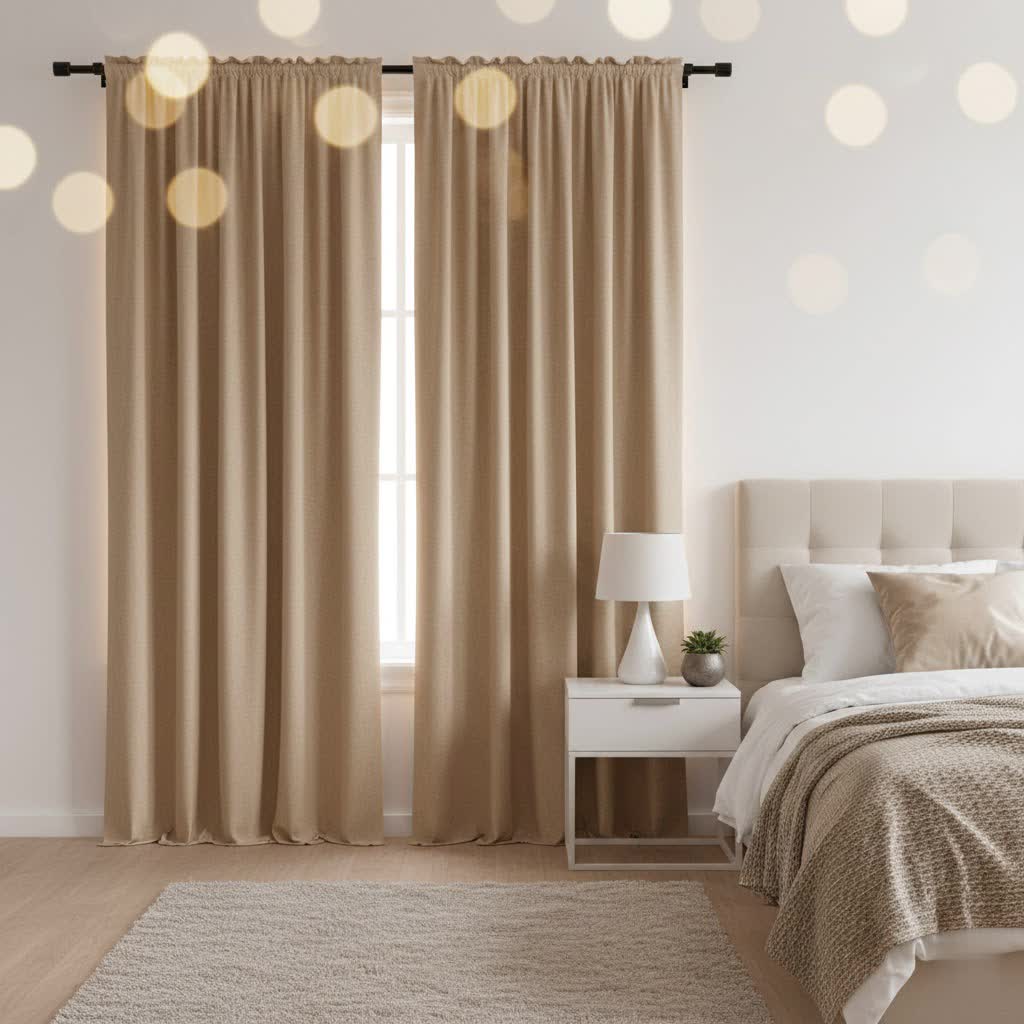
Have you ever found yourself tossing and turning, battling the intrusive morning sun or the relentless glare of city lights? Perhaps you’re a shift worker yearning for undisturbed daytime sleep, or a parent needing to create a perfectly dark nursery. If so, Blackout Curtains might be the game-changer you need for your home. These innovative window treatments go beyond mere aesthetics, offering a blend of practical benefits from superior light blockage to enhanced privacy and energy savings. In this comprehensive guide, we’ll delve into the world of blackout curtains, exploring their mechanisms, diverse types, and how to select, use, and maintain them for optimal comfort and style in your living space.
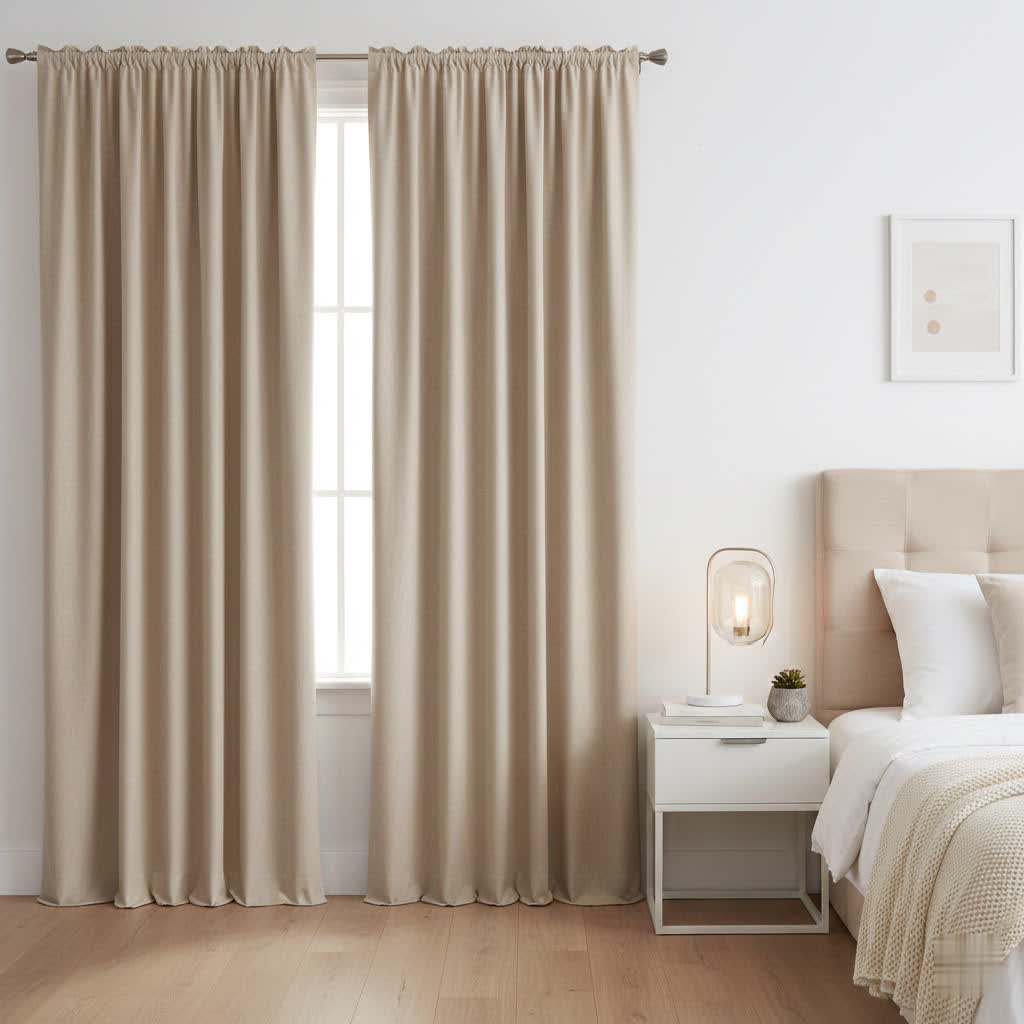
What Are Blackout Curtains?
Blackout curtains are specialized window coverings meticulously designed to completely block out external light, creating a dark and tranquil indoor environment. Unlike standard curtains that merely dim a room, blackout curtains feature an additional layer or a unique fabric coating that prevents light from penetrating the material. This backing is typically dense and opaque, often made from polyester, cotton, or a blend, sometimes with an acrylic foam layer. This construction not only halts light but also contributes to their insulating properties.
The mechanism behind their effectiveness lies in their multi-layered design or specially woven dense fabric. They either incorporate a thick, opaque lining or are made from tightly woven materials that inherently prevent light transmission. While dark colors inherently block more light, modern technology allows even lighter-colored blackout curtains to achieve significant light blockage (95-99%) when properly lined.
Benefits of Using Blackout Curtains
Investing in blackout curtains offers a multitude of advantages that extend far beyond simply darkening a room:
- Absolute Light Blocking: The primary benefit is their unparalleled ability to block out up to 99% of sunlight and artificial light sources. This is crucial for improving sleep quality, especially for shift workers, young children, or anyone sensitive to light, as it helps maintain the body’s natural circadian rhythm.
- Energy Savings: Blackout curtains act as an effective thermal barrier, significantly reducing heat transfer through windows. In summer, they block sunlight and keep rooms cooler, lessening the need for air conditioning. During winter, they help retain warmth indoors, reducing heating costs and lowering your energy bills by up to 25%.
- Enhanced Privacy: Their opaque nature ensures complete privacy, preventing outsiders from seeing into your home, even at night. This is particularly valuable for bedrooms, bathrooms, and ground-floor windows.
- Noise Reduction: Many blackout curtains are made with thicker, high-density fabrics that can absorb sound, helping to reduce noise pollution from the outside world, such as traffic or street activity. This creates a quieter and more peaceful atmosphere indoors.
- UV Ray Protection: Prolonged exposure to sunlight can fade and damage furniture, flooring, and artwork. Blackout curtains block up to 99% of harmful UV rays, preserving your interior furnishings and extending their lifespan.
“Blackout curtains are not just about darkness; they’re an investment in better sleep, reduced energy consumption, and increased home comfort.” – Admin, ReviewRauDMS.com
Common Types of Blackout Curtains
While the core function remains the same, blackout capabilities can be integrated into various curtain and blind styles, each offering unique aesthetic and functional characteristics.
- Fabric Blackout Curtains: These are the most traditional and widely available type, consisting of panels made from various fabrics like polyester, cotton, linen, or velvet, often with a specialized blackout lining or a dense weave. They offer immense versatility in terms of color, pattern, and texture, allowing them to complement any interior design. Their soft, flowing drape adds warmth and elegance to a room.
- Roller Blackout Blinds: Known for their sleek and minimalist design, roller blinds consist of a single piece of fabric that rolls up neatly into a cassette at the top of the window. Blackout roller blinds use opaque fabrics, often PVC or specially coated polyester, to provide excellent light blockage. They are a practical choice for modern spaces and can fit snugly into a window recess to minimize light leakage.
- Roman Blackout Shades: Roman shades offer a sophisticated, tailored look. When raised, the fabric folds into soft, elegant pleats, and when lowered, it provides a flat panel that effectively blocks light. Blackout Roman shades often incorporate a thermal or blackout lining behind the decorative fabric, making them a stylish yet functional option for bedrooms and living rooms.
- Vertical Blackout Blinds: Primarily used for large windows, sliding doors, or office settings, vertical blinds feature individual fabric or PVC slats that can be rotated to control light or drawn completely to one side. Blackout vertical blinds utilize opaque slats that overlap tightly when closed, offering effective light control and privacy. They are particularly suitable for expansive glass areas where horizontal blinds might be impractical.
Comparison Table of Blackout Curtain Types
| Feature | Fabric Blackout Curtains | Roller Blackout Blinds | Roman Blackout Shades | Vertical Blackout Blinds |
|---|---|---|---|---|
| Light Blocking Ability | High | High | Medium to High | Medium to High |
| Aesthetics | Diverse patterns, colors, textures; soft, luxurious drape | Modern, minimalist, clean lines | Elegant, classic, tailored folds | Simple, professional, good for large openings |
| Durability | Good | Very Good | Good | Good |
| Price Range | Medium – High | Medium | High | Medium |
| Cleaning Ease | Varies by fabric; some machine washable, others dry clean | Easy to wipe clean | Can be challenging (often spot clean or professional) | Easy to wipe slats |
| Best For | Bedrooms, living rooms, aesthetic focus | Modern homes, tight spaces, maximum light block | Formal living spaces, bedrooms, adding texture | Large windows, sliding doors, offices |
Guide to Choosing Blackout Curtains
Selecting the ideal blackout curtains for your home requires careful consideration of several factors to ensure they meet your specific needs and complement your interior.
- Determine Your Needs: Begin by identifying the primary purpose. Are you seeking complete darkness for a bedroom, reducing glare in a media room, or enhancing insulation in a living area? Different needs will influence the level of blackout required and the style of curtain or blind best suited.
- Select the Right Material and Lining: The effectiveness of blackout curtains heavily relies on their material and lining.
- Polyester: A popular choice for its durability, easy maintenance, and effective light reflection.
- Cotton: Offers a cozy aesthetic and absorbs sunlight, often used with a blackout lining.
- Velvet: Provides a luxurious look and excellent insulation, though often requires professional cleaning.
- Lining: Look for curtains with a thick, dense, opaque lining that can block 99% or more of light. Even light-colored curtains can be highly effective with a quality lining.
- Accurate Measurement is Key: Precision in measuring your windows is crucial for optimal light blockage. Measure both the width and length of your windows, accounting for any obstructions like molding. For maximum darkness, extend the curtain rod a few inches beyond the window frame on each side and choose curtains that are wider and longer than the window opening to prevent light leakage. Consider wraparound rods to minimize light gaps at the sides.
- Consider Color and Style: While darker colors historically block more light, modern fabrication allows lighter-colored blackout curtains to be highly effective. Choose a color and style that harmonizes with your room’s décor, creating a cohesive and aesthetically pleasing environment.
- Consult with Experts: For bespoke solutions or complex window configurations, seeking advice from a curtain specialist can be invaluable. They can offer tailored recommendations and ensure proper installation for maximum effectiveness.
Top Reputable Blackout Curtain Insights in Vietnam
While specific brand availability can vary, when looking for reputable blackout curtain options in Vietnam, prioritize products that emphasize quality materials and proven light-blocking technology. Brands like DOME are known for their European function and finishing standards, offering double-layered curtains with blackout lining, often using fabrics imported from countries like Belgium, Indonesia, and Japan. Online marketplaces like Ubuy Vietnam and Lazada also offer a range of blackout curtains, many of which are imported and specify high shading rates (70-90% or 100%) and materials like polyester/cotton blends.
When purchasing, look for:
- Clear Shading Specifications: Reputable products will clearly state the percentage of light they block (e.g., 90%, 99%, or 100% blackout).
- Quality Fabric and Lining: Opt for curtains with thick, tightly woven fabrics and a substantial blackout lining for optimal performance.
- Durability and Finish: Examine stitching and overall construction. A well-made curtain will not only perform better but also last longer.
- Customer Reviews: Check for feedback from other Vietnamese consumers regarding product effectiveness, durability, and service.
Tips for Using and Maintaining Blackout Curtains
Proper care and usage will extend the life of your blackout curtains and ensure their continued performance.
- Regular Cleaning: To keep your curtains looking fresh and free from dust, regular light cleaning is recommended, ideally every 3-6 months. Use a lint roller or a soft brush to remove surface dust.
- Washing Instructions: Always check the manufacturer’s care label before washing.
- Machine Washable Curtains: For suitable fabrics (often polyester or rubber-backed), use a gentle or delicate cycle with cold or slightly warm water and a mild detergent. Avoid harsh chemicals like bleach or fabric softeners, as these can damage the blackout coating. Remove all hooks and hardware before washing and avoid overloading the machine.
- Drying: Never use a dryer unless specifically instructed by the care label, as high heat can damage the blackout lining, causing it to peel or melt. Instead, line dry your curtains in the shade until all moisture has evaporated.
- Professional Cleaning: For delicate materials like velvet or if the care label advises, professional dry cleaning using gentle chemicals (e.g., hydrocarbon method) is recommended to prevent damage to the blackout backing.
- Avoid Direct Sunlight During Drying: While they block sunlight, prolonged direct exposure during drying can degrade the blackout coating over time.
- Routine Inspection: Periodically check your curtains for any signs of wear, damage, or peeling of the blackout layer to ensure they remain effective.
Conclusion
Blackout curtains are a versatile and highly beneficial addition to any home, offering much more than just darkness. From significantly improving sleep quality and enhancing privacy to contributing to energy efficiency and protecting your furnishings, their advantages are clear. By understanding the various types, materials, and crucial selection criteria, you can confidently choose the perfect blackout curtains to meet your specific needs and elevate the comfort and style of your living space. Remember to prioritize quality, measure accurately, and follow care instructions to ensure your investment provides lasting serenity and value.
Are you ready to transform your home into a sanctuary of peaceful darkness and quiet comfort with the right blackout curtains?
Câu Hỏi Thường Gặp
Do blackout curtains truly block 100% of light?
|
Our Picks for the Best Blackout Curtains in 2026
We may earn a commission when you use one of our links to make a purchase.
|
||
| Num | Product | Action |
|---|---|---|
| 1 | NICETOWN Living Room Completely Shaded Draperies, Privacy Protection & Noise Reducing Ring Top Drapes, Black Lined Insulated Window Treatment Curtain Panels(Biscotti Beige, 2 Pieces, W52 x L84) |

|
| 2 | NICETOWN Pitch Black Solid Thermal Insulated Grommet Blackout Curtains/Drapes for Bedroom Window (2 Panels, 42 inches Wide by 63 inches Long, Black) |
|
| 3 | NICETOWN Aqua Blue Room Darkening Curtains for Kitchen, Window Treatment Thermal Insulated Solid Grommet Curtains/Drapes Bedroom (Set of 2, 42 inches Wide by 63 Long) |
|
| 4 | NICETOWN 100% Blackout Window Curtain Panels, Cold and Full Light Blocking Drapes with Black Liner for Nursery, 84 inches Drop Thermal Insulated Draperies (White, 2 Pieces, 52 Wide Each Panel) |
|
| 5 | NICETOWN Living Room Completely Shaded Draperies, Privacy Protection & Noise Reducing Ring Top Drapes, Black Lined Insulated Window Treatment Curtain Panels (Beige, 2 Pieces, W52 x L84) |
|
| 6 | NICETOWN Nursery Essential Thermal Insulated Solid Grommet Top Blackout Curtains/Drapes (1 Pair, 42 x 63 inches in Baby Pink) |
|
| 7 | NICETOWN Light Blue Curtains for Nursery, Thermal Insulated Grommet Room Darkning Curtain Panels for Bedroom/Living Room, Privacy Drapes for Classroom(1 Pair, W42 x L63 inches, Blue) |
|
| 8 | NICETOWN Aqua Blue 100% Blackout Curtain Set, Thermal Insulated & Energy Efficiency Window Draperies for Guest Room, Full Shading Panels for Shift Worker and Light Sleepers, 52W x 84L, 2 PCs |
|
| 9 | NICETOWN Kitchen Curtains for Decoration, Thermal Insulated Grommet Room Darkening Draperies/Panels for Laundry (Beige, 2 Panels, W42 x L63 inches) |
|
| 10 | NICETOWN Thermal Insulated Grommet Room Darkening Curtains/Draperies/Panels for Bedroom (2 Panels, W42 x L63 inches, Biscotti Beige) |
|
While many products claim “100% blackout,” true absolute darkness depends on factors like installation and curtain fit. High-quality blackout curtains can block 99% or more of light, but light leakage can still occur around the edges of the window if not installed correctly (e.g., using wraparound rods or a wider panel).
Can blackout curtains help with noise reduction?
Yes, due to their thicker, denser construction, blackout curtains can provide a moderate level of sound insulation. They help absorb sound waves, reducing the amount of external noise that enters your room, making them ideal for urban environments or areas with high traffic.
Are blackout curtains energy efficient?
Absolutely. Blackout curtains are excellent insulators. They create a thermal barrier at your windows, helping to keep your home cooler in summer by blocking heat from the sun and warmer in winter by preventing heat loss, which can lead to significant savings on your energy bills.