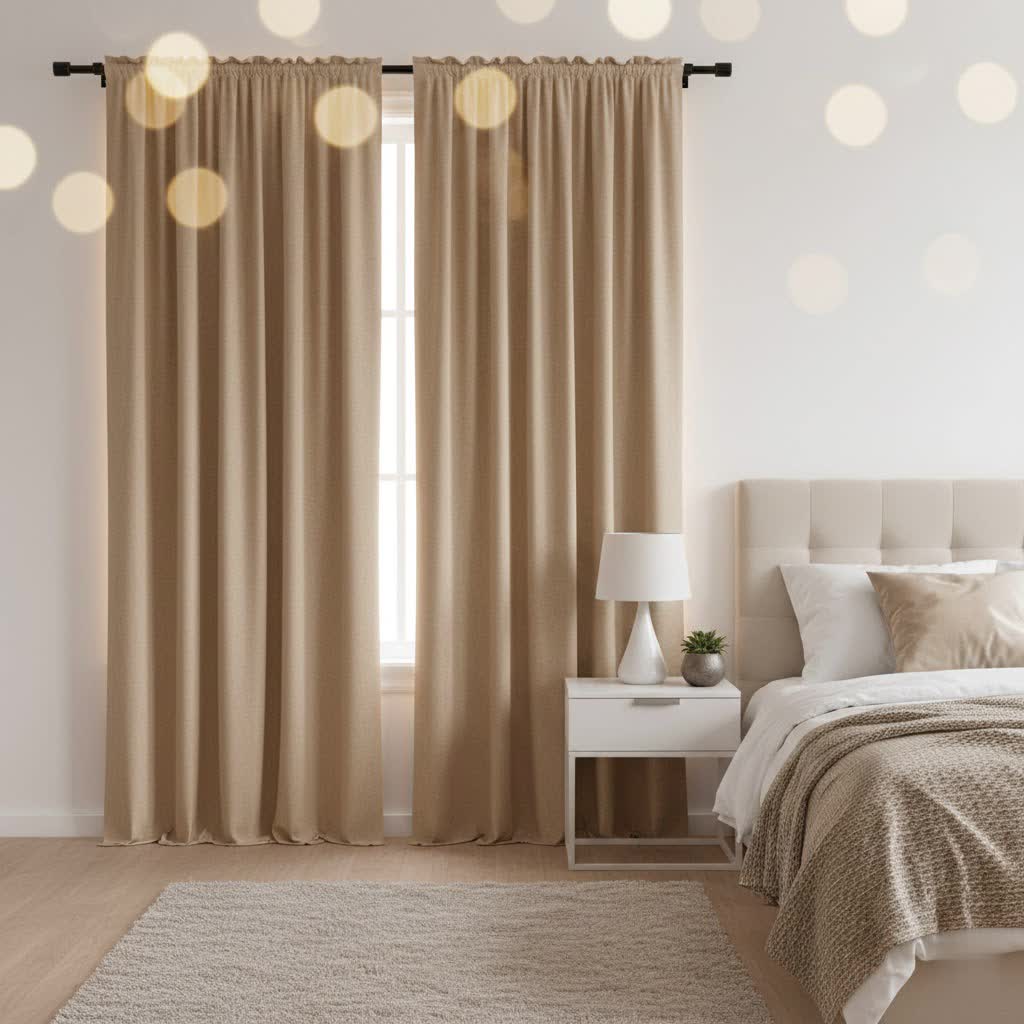
As parents, ensuring our children get quality sleep is a top priority, yet often a significant challenge. The relentless sun, streetlights, or even the glow of the moon can disrupt precious nap times and crucial night sleep, impacting a child’s mood, development, and overall well-being. Imagine a solution that effortlessly transforms any room into a tranquil haven, promoting deeper, more restorative sleep for your little ones: blackout curtains for children’s rooms. These specialized window treatments are more than just a decorative element; they are a vital investment in your child’s health and happiness, designed to create the optimal dark and peaceful environment essential for growing minds and bodies.
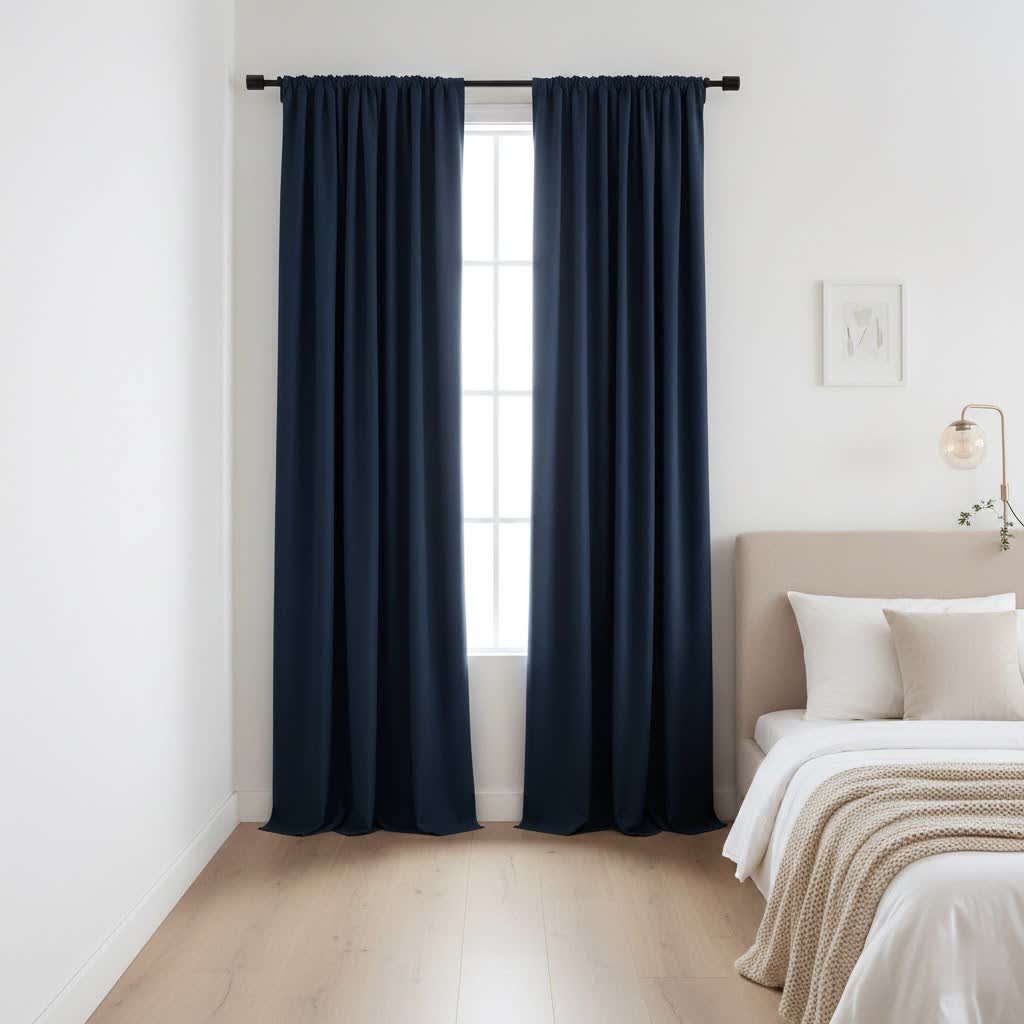
What Are Blackout Curtains?
Blackout curtains are window coverings specifically engineered to block out almost all external light, creating a dark or near-dark environment even in broad daylight. Unlike standard curtains that merely dim a room, blackout curtains feature a dense, opaque layer—often integrated into the fabric or as a separate lining—that prevents light penetration.
The mechanism behind their effectiveness typically involves a tightly woven fabric, often polyester, cotton, or velvet, combined with a blackout lining. This lining is frequently made with a triple-weave technology or a special coating (such as acrylic foam) that acts as a barrier against light. This construction ensures that light rays are absorbed or reflected, rather than passing through, making the room significantly darker. For children’s rooms, this ability to create profound darkness is especially beneficial, as it helps regulate their sleep cycles and reduces external distractions that can interfere with their rest.
Benefits of Using Blackout Curtains in Children’s Rooms
Integrating blackout curtains into a child’s room offers a multitude of advantages that extend far beyond simply blocking light, positively influencing their sleep, health, and comfort.
- Absolute Light Blockage for Improved Sleep: The primary benefit of blackout curtains is their exceptional ability to block nearly 100% of incoming light. This is crucial for children, especially infants and toddlers, who require a dark environment to produce melatonin, the natural sleep hormone. By eliminating external light, these curtains help establish healthy sleep routines, improve the quality of naps, and extend sleep duration, which is vital for physical and cognitive development.
- Energy Savings and Temperature Control: Beyond light, blackout curtains also provide excellent thermal insulation. Their thick, dense material helps to block heat from entering the room during warm months and prevents warmth from escaping during colder periods. This insulation can lead to noticeable energy savings by reducing the need for air conditioning in summer and heating in winter, creating a consistently comfortable room temperature for your child year-round.
- UV Protection and Furniture Preservation: Direct sunlight can cause damage to furniture, toys, and flooring over time, leading to fading and deterioration. Blackout curtains act as a robust shield against harmful ultraviolet (UV) rays, protecting your child’s room furnishings and preserving their vibrant colors and integrity for longer.
- Enhanced Privacy: For any bedroom, privacy is paramount. Blackout curtains offer a complete visual barrier, ensuring that your child’s room is a private sanctuary, free from prying eyes from outside. This is particularly important for young children who might feel more secure in a fully private space.
- Noise Reduction: While not their primary function, the dense construction of many blackout curtains provides a degree of sound insulation. This can help muffle disruptive outside noises—like traffic, barking dogs, or neighborhood activity—creating a quieter and more peaceful environment conducive to uninterrupted sleep and play.
Popular Types of Blackout Curtains for Children’s Rooms
Choosing the right type of blackout curtain for a child’s room involves balancing effectiveness, safety, aesthetics, and practicality. Each type offers unique features that might suit different needs and room styles.
Fabric Blackout Curtains
These are the most common type, made from various fabrics such as polyester, cotton, or velvet, often featuring a special blackout lining or a triple-weave design.
- Pros: Highly customizable in terms of color, pattern, and texture, allowing for creative designs that match a child’s personality or room theme. They offer strong light-blocking and often good thermal and sound insulation. Many are machine washable, a significant plus for busy parents.
- Cons: Can be bulky depending on the fabric. Light leakage can occur around the edges if not properly installed.
- Best for: Creating a cozy, personalized, and soft aesthetic. Ideal for bedrooms where aesthetic versatility and comprehensive benefits are desired.
|
Our Picks for the Best Blackout Curtains in 2026
We may earn a commission when you use one of our links to make a purchase.
|
||
| Num | Product | Action |
|---|---|---|
| 1 | NICETOWN Living Room Completely Shaded Draperies, Privacy Protection & Noise Reducing Ring Top Drapes, Black Lined Insulated Window Treatment Curtain Panels (Beige, 2 Pieces, W52 x L84) |

|
| 2 | NICETOWN Living Room Completely Shaded Draperies, Privacy Protection & Noise Reducing Ring Top Drapes, Black Lined Insulated Window Treatment Curtain Panels(Biscotti Beige, 2 Pieces, W52 x L84) |
|
| 3 | NICETOWN Thermal Insulated Grommet Room Darkening Curtains/Draperies/Panels for Bedroom (2 Panels, W42 x L63 inches, Biscotti Beige) |
|
| 4 | NICETOWN Aqua Blue Room Darkening Curtains for Kitchen, Window Treatment Thermal Insulated Solid Grommet Curtains/Drapes Bedroom (Set of 2, 42 inches Wide by 63 Long) |
|
| 5 | NICETOWN 100% Blackout Window Curtain Panels, Cold and Full Light Blocking Drapes with Black Liner for Nursery, 84 inches Drop Thermal Insulated Draperies (White, 2 Pieces, 52 Wide Each Panel) |
|
| 6 | NICETOWN Light Blue Curtains for Nursery, Thermal Insulated Grommet Room Darkning Curtain Panels for Bedroom/Living Room, Privacy Drapes for Classroom(1 Pair, W42 x L63 inches, Blue) |
|
| 7 | NICETOWN Nursery Essential Thermal Insulated Solid Grommet Top Blackout Curtains/Drapes (1 Pair, 42 x 63 inches in Baby Pink) |
|
| 8 | NICETOWN Kitchen Curtains for Decoration, Thermal Insulated Grommet Room Darkening Draperies/Panels for Laundry (Beige, 2 Panels, W42 x L63 inches) |
|
| 9 | NICETOWN Pitch Black Solid Thermal Insulated Grommet Blackout Curtains/Drapes for Bedroom Window (2 Panels, 42 inches Wide by 63 inches Long, Black) |
|
| 10 | NICETOWN Aqua Blue 100% Blackout Curtain Set, Thermal Insulated & Energy Efficiency Window Draperies for Guest Room, Full Shading Panels for Shift Worker and Light Sleepers, 52W x 84L, 2 PCs |
|
Blackout Roller Shades
Roller shades offer a sleek, minimalist look, pulling down a single piece of fabric to cover the window. Blackout versions are made with opaque materials, often PVC or specially coated fabrics.
- Pros: Provide excellent light blockage when fitted precisely inside the window frame, minimizing light gaps. Their cordless designs are a major safety advantage for children’s rooms. They are easy to clean and maintain due to their smooth surface.
- Cons: Less decorative than fabric curtains; limited in texture and pattern. Can be less effective at insulation compared to thick fabric curtains.
- Best for: Modern, minimalist rooms, or as a secondary layer behind decorative sheer curtains. Excellent for achieving maximum light seal with cordless safety.
Blackout Roman Shades
Roman shades are a stylish option that folds into soft pleats when raised. Blackout versions typically have an additional opaque lining sewn onto the back.
- Pros: Offer a sophisticated and elegant look while providing effective light blocking. Cordless options are available for child safety. They add a layer of texture and softness without the bulk of traditional drapes.
- Cons: Can be more expensive than other options. Cleaning can be more challenging due to their fabric construction and pleats.
- Best for: Rooms where a blend of classic elegance and effective light control is desired. Suitable for nurseries that aim for a refined yet child-friendly decor.
Blackout Vertical Blinds
While less common for children’s bedrooms, vertical blinds consist of individual slats that can be tilted to control light or drawn completely across the window. Blackout versions feature opaque slats.
- Pros: Excellent for large windows or sliding glass doors. Provide precise light control and can be effective at blocking light when fully closed and overlapping.
- Cons: The individual slats can be less visually appealing in a child’s room and may pose a hazard if children play with them. Less effective at insulation and noise reduction compared to fabric options.
- Best for: Rooms with large window expanses or sliding doors where maximum light adjustability is needed, though safety considerations must be prioritized for younger children.
Comparison Table: Blackout Curtains for Children’s Rooms
To help you make an informed decision, here’s a comparison of popular blackout curtain types, focusing on their suitability for children’s rooms:
| Feature | Fabric Blackout Curtains | Blackout Roller Shades | Blackout Roman Shades | Blackout Vertical Blinds |
|---|---|---|---|---|
| Light Blocking Ability | High | High (especially inside mount) | Medium to High | Medium to High |
| Aesthetic Appeal | Versatile, soft, customizable | Modern, minimalist, sleek | Elegant, classic, structured | Simple, functional |
| Durability | Good (depends on fabric quality) | Excellent (especially vinyl/PVC) | Moderate (fabric can wear) | Good (individual slats) |
| Price Range | Medium to High | Medium | High | Medium |
| Ease of Cleaning | Varies (some machine washable) | Very Easy (wipe clean) | Moderate (spot clean/dry clean) | Easy (wipe slats) |
| Child Safety (Cordless Options) | Available, crucial for selection | Widely available | Available | Less common, potential hazard |
| Insulation/Noise | High | Medium | Medium | Low to Medium |
How to Choose the Right Blackout Curtains for Your Child’s Room
Selecting the perfect blackout curtains involves more than just picking a color; it’s about creating a safe, comfortable, and sleep-promoting environment.
-
Determine Your Needs:
- Room Function: Is it a nursery requiring absolute darkness for newborns and naps? A toddler’s room needing darkness for early bedtimes and late mornings? Or a school-aged child’s room where light control for homework and relaxation is key?
- Light Sensitivity: Some children are more sensitive to light than others. For those requiring pitch-black conditions, aim for 95-100% light blockage. For older children, 70-90% might suffice, allowing a gentler wake-up.
- Aesthetic Preference: Consider your child’s age and personality. Playful patterns and vibrant colors might appeal to younger children, while older kids might prefer more subtle designs or solid hues.
-
Prioritize Child-Safe Materials:
- Non-Toxic Fabrics: Always look for curtains made from natural, non-toxic materials like organic cotton or linen, free from harmful chemicals, dyes, and VOCs (Volatile Organic Compounds). Certifications like OEKO-TEX Standard 100 Class 1 (safe for babies) or GREENGUARD Gold are strong indicators of safety.
- Flame Retardants: Be cautious of fabrics treated with chemical flame retardants; opt for naturally flame-resistant materials or those treated with non-toxic alternatives.
- Durability and Easy Cleaning: Children’s rooms are prone to spills and messes. Choose durable, stain-resistant, and machine-washable fabrics for easy maintenance.
-
Accurate Measurement for Optimal Coverage:
- Measure the width of your window frame and add at least 6-12 inches (15-30 cm) on each side to ensure the curtain extends beyond the window, minimizing light leakage.
- For length, decide if you want curtains to fall just below the windowsill (recommended for younger children to prevent pulling and tripping hazards) or to the floor. Ensure the measurement accounts for hanging hardware.
- Consider wrapping curtains around the window frame or using a track system to further seal off light gaps.
-
Consider Color and Design:
- Darker Colors: While all blackout curtains are designed to block light, darker-colored fabrics can sometimes absorb more light and appear to offer a more complete blackout effect visually, especially with lighter linings.
- Patterns and Themes: Choose designs that complement the room’s decor and can grow with your child. Subtle patterns, stars, or simple geometric shapes often have more longevity than overly themed characters.
-
Seek Expert Advice: If you’re unsure, consult with a curtain specialist or interior designer. They can provide tailored recommendations based on your specific windows, room design, and safety requirements, ensuring you choose the best product.
Top Considerations for Blackout Curtains in Children’s Rooms
When evaluating brands and products for your child’s room, look for manufacturers that prioritize both performance and safety. Key features to seek include:
- Safety Certifications: Brands that offer products certified by OEKO-TEX Standard 100 Class 1 or GREENGUARD Gold ensure that fabrics are free from harmful substances and safe for sensitive individuals, including infants.
- Cordless Designs: This is perhaps the most critical safety feature. Cordless blinds and shades eliminate the risk of strangulation, making them ideal for children’s rooms. If curtains with cords are unavoidable, ensure safety cleats are installed high on the wall, completely out of reach.
- Durable and Washable Fabrics: Children’s rooms demand curtains that can withstand daily wear and tear and are easy to clean. Look for materials that are machine washable and can retain their integrity after repeated cleaning.
- Effective Light Sealing: High-quality brands often design curtains with features like extended widths, wrap-around rods, or integrated side channels to prevent light from leaking around the edges, ensuring maximum darkness.
- Variety in Design: Reputable brands typically offer a range of colors, patterns, and styles that cater to various room aesthetics, from playful nurseries to sophisticated older children’s rooms.
Tips for Using and Maintaining Blackout Curtains
Proper usage and maintenance will ensure your blackout curtains remain effective and safe for years to come.
- Regular Cleaning: Dust and allergens can accumulate on curtains. Vacuum them regularly with a brush attachment to remove loose dirt and dust.
- Correct Washing Procedures: Always follow the manufacturer’s washing instructions precisely. Some blackout curtains, especially those with special coatings, may require spot cleaning or professional dry cleaning, while many fabric options are machine washable. Improper washing can damage the blackout lining.
- Avoid Prolonged Direct Sunlight (for certain types): While designed to block sun, some coated blackout linings can be sensitive to prolonged, intense direct sunlight, which might degrade the coating over a very long period. Consider partially closing them during the harshest sun hours if this is a concern, or choose triple-weave fabric options that are less susceptible.
- Periodic Inspection: Regularly check curtain rods, brackets, and fabric for any signs of wear, loosening, or damage. Ensure all hardware remains securely mounted to prevent accidents. For cordless systems, check their smooth operation.
- Manage Fear of the Dark: If your child develops a fear of complete darkness, don’t abandon the blackout curtains. Instead, introduce a soft, red or orange-toned night light. Red light is less disruptive to melatonin production than blue or white light, providing comfort without undermining the sleep-promoting dark environment.
Conclusion
Investing in blackout curtains for your child’s room is a proactive step toward fostering better sleep, a healthier environment, and greater peace of mind for both you and your little one. By understanding what blackout curtains are, their diverse benefits, and how to select and maintain them safely, you can transform any space into a tranquil haven conducive to deep, restorative sleep. Prioritizing cordless designs, non-toxic materials, and proper installation ensures that your child’s room is not only dark but also secure.
Are you ready to witness the transformative power of a truly dark and serene sleeping environment for your child?