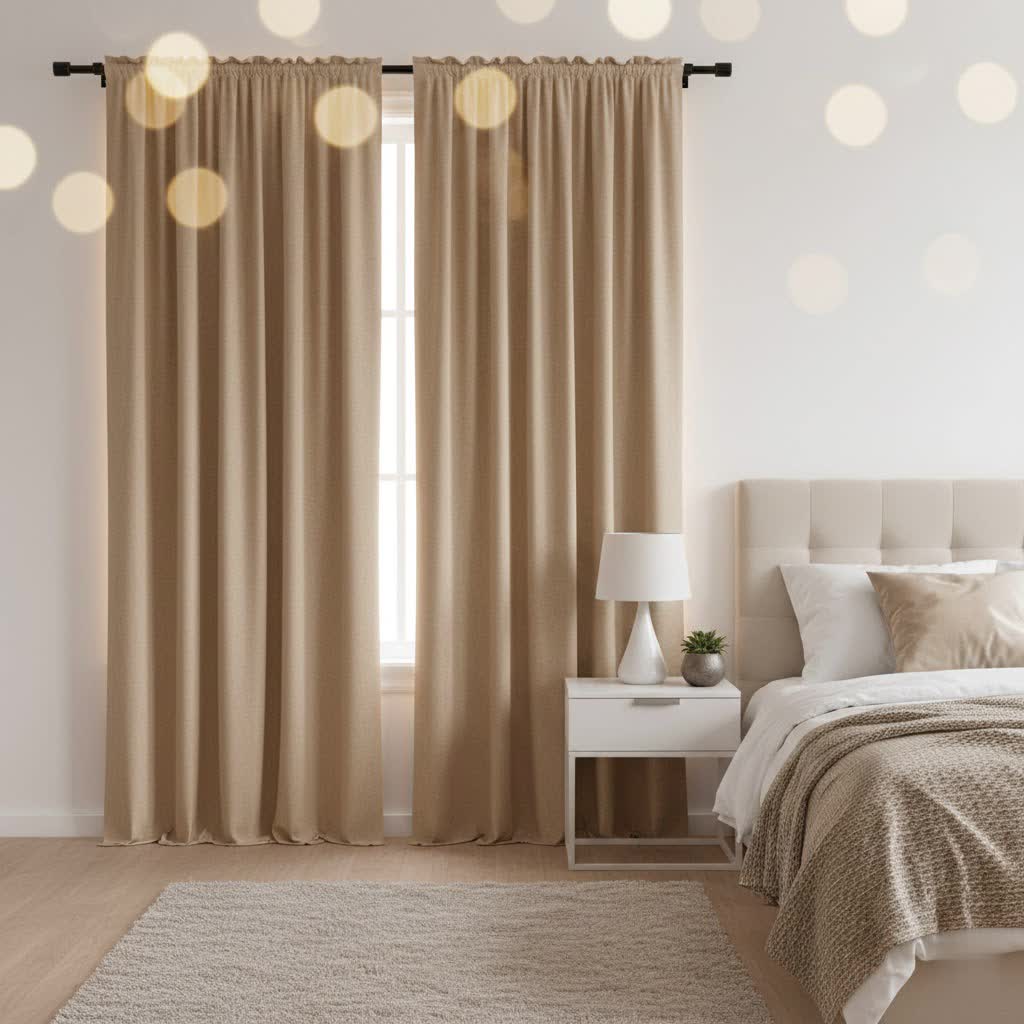
Imagine settling down for a movie marathon in your living room, only to be frustrated by glares on the screen, or perhaps you’re simply seeking a serene, private retreat from the bustling world outside. The sun’s harsh rays can not only disrupt your peace but also fade your cherished furniture and drive up your energy bills. This is where the magic of blackout curtains for your living room comes into play. Designed to offer unparalleled light control, enhanced privacy, and energy efficiency, these versatile window treatments are far more than just functional — they can dramatically elevate the comfort and aesthetic of your most cherished living space. Join us as we explore how the right blackout curtains can transform your home.
What Are Blackout Curtains?
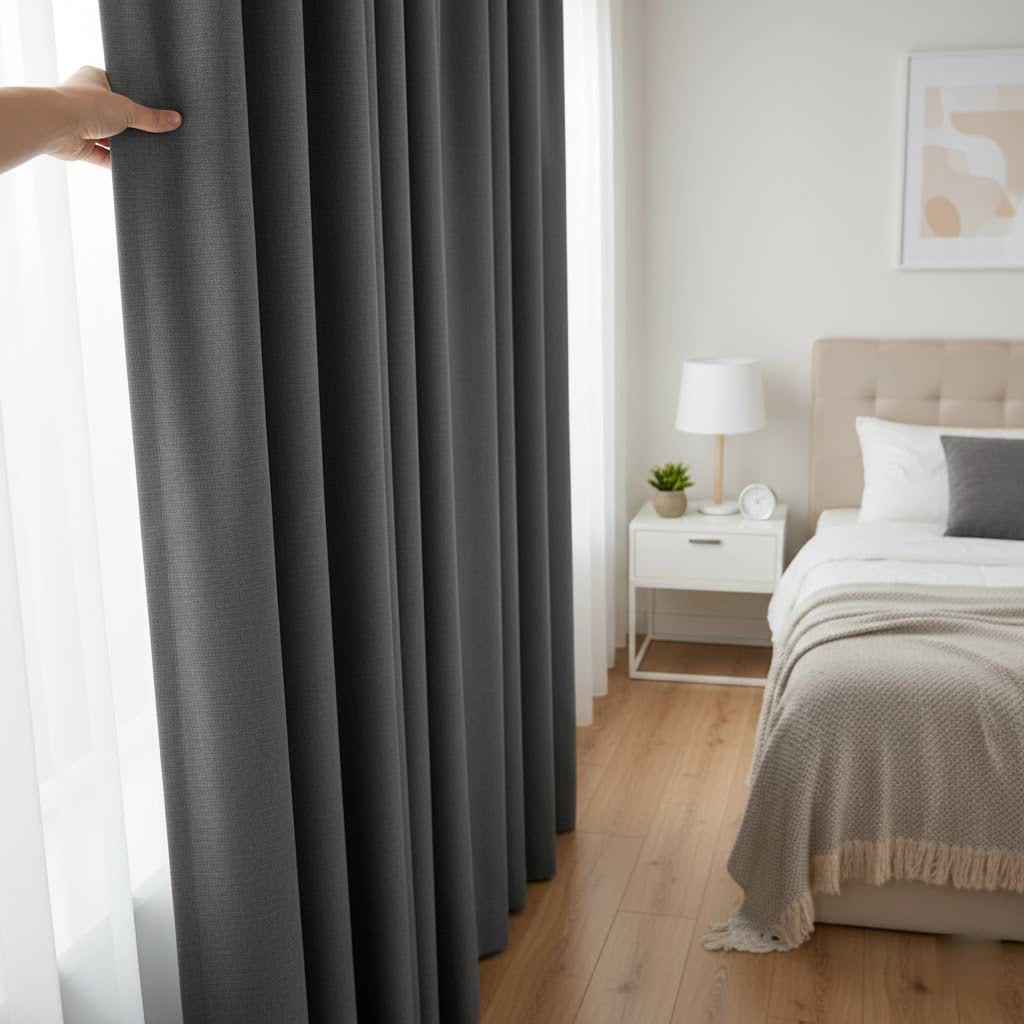
Blackout curtains are specialized window coverings engineered to block out nearly all incoming light. Unlike standard curtains, which may only filter light, blackout curtains achieve their superior light-blocking capability through a unique construction. Typically, they feature a dense, tightly woven fabric—often polyester or a blend—combined with one or more opaque layers or a specific coating, such as acrylic foam, on the reverse side. This multilayered design prevents light from penetrating the material, creating a dark environment that can be beneficial in various living room scenarios, from enhancing movie viewing to ensuring daytime naps or simply securing complete privacy.
Benefits of Using Blackout Curtains in Your Living Room
Integrating blackout curtains into your living room offers a wealth of advantages, extending beyond mere light control. These benefits contribute significantly to comfort, aesthetics, and even the longevity of your interior.
- Absolute Light Control: The primary advantage is their exceptional ability to block sunlight, streetlights, and other external illumination. This is ideal for home theaters, creating the perfect ambiance for movies or gaming, and is particularly beneficial for those who enjoy daytime naps or work night shifts and need to regulate their sleep cycles.
- Energy Savings: Blackout curtains often come with thermal properties. Their dense construction acts as an insulating barrier, helping to keep your living room cooler in the summer by blocking heat-inducing sunlight and warmer in the winter by preventing heat loss. This can lead to noticeable reductions in your heating and air conditioning costs.
- Enhanced Privacy: With blackout curtains, you gain complete privacy from outside views, day or night. This is invaluable for ground-floor living rooms or homes in densely populated areas, allowing you to relax without concern for prying eyes.
- Furniture and Decor Protection: Ultraviolet (UV) rays from sunlight are a major cause of fading and damage to furniture, flooring, artwork, and other interior decor. Blackout curtains shield your living room’s contents from these harmful rays, preserving their color and extending their lifespan.
- Noise Reduction: While not fully soundproof, the thick, dense layers of blackout curtains can offer a degree of sound dampening. They help to absorb external noise, contributing to a quieter and more peaceful living environment, a welcome feature in busy urban settings.
- Improved Aesthetics: Modern blackout curtains come in a vast array of colors, patterns, and textures, allowing them to seamlessly integrate with and enhance your living room’s aesthetic. They offer a luxurious, finished look that can elevate the overall design.
Popular Types of Blackout Curtains for Living Rooms
When selecting blackout curtains for your living room, you’ll encounter various styles, each with distinct features and aesthetic appeals. Understanding these types will help you choose the best fit for your space and needs.
Fabric Blackout Curtains
These are the most traditional and widely recognized form of blackout window treatments. They consist of fabric panels, often made from heavy polyester blends, with a separate blackout lining sewn into the back.
- Pros: Highly versatile in terms of design, color, and texture. They can introduce softness and elegance to a room and are excellent for layering with sheers. The wide range of heading styles (grommet, rod pocket, pinch pleat) allows for varied aesthetic expressions.
- Cons: Achieving 100% blackout can be challenging due to potential light leakage around the edges if not installed correctly (e.g., using wrap-around rods or extending significantly beyond the window frame).
- Ideal for: Living rooms where aesthetics and a soft, drapery look are paramount, and layering is desired.
|
Our Picks for the Best Blackout Curtains in 2026
We may earn a commission when you use one of our links to make a purchase.
|
||
| Num | Product | Action |
|---|---|---|
| 1 | NICETOWN Thermal Insulated Grommet Room Darkening Curtains/Draperies/Panels for Bedroom (2 Panels, W42 x L63 inches, Biscotti Beige) |

|
| 2 | NICETOWN Light Blue Curtains for Nursery, Thermal Insulated Grommet Room Darkning Curtain Panels for Bedroom/Living Room, Privacy Drapes for Classroom(1 Pair, W42 x L63 inches, Blue) |
|
| 3 | NICETOWN Aqua Blue Room Darkening Curtains for Kitchen, Window Treatment Thermal Insulated Solid Grommet Curtains/Drapes Bedroom (Set of 2, 42 inches Wide by 63 Long) |
|
| 4 | NICETOWN 100% Blackout Window Curtain Panels, Cold and Full Light Blocking Drapes with Black Liner for Nursery, 84 inches Drop Thermal Insulated Draperies (White, 2 Pieces, 52 Wide Each Panel) |
|
| 5 | NICETOWN Living Room Completely Shaded Draperies, Privacy Protection & Noise Reducing Ring Top Drapes, Black Lined Insulated Window Treatment Curtain Panels(Biscotti Beige, 2 Pieces, W52 x L84) |
|
| 6 | NICETOWN Kitchen Curtains for Decoration, Thermal Insulated Grommet Room Darkening Draperies/Panels for Laundry (Beige, 2 Panels, W42 x L63 inches) |
|
| 7 | NICETOWN Living Room Completely Shaded Draperies, Privacy Protection & Noise Reducing Ring Top Drapes, Black Lined Insulated Window Treatment Curtain Panels (Beige, 2 Pieces, W52 x L84) |
|
| 8 | NICETOWN Aqua Blue 100% Blackout Curtain Set, Thermal Insulated & Energy Efficiency Window Draperies for Guest Room, Full Shading Panels for Shift Worker and Light Sleepers, 52W x 84L, 2 PCs |
|
| 9 | NICETOWN Nursery Essential Thermal Insulated Solid Grommet Top Blackout Curtains/Drapes (1 Pair, 42 x 63 inches in Baby Pink) |
|
| 10 | NICETOWN Pitch Black Solid Thermal Insulated Grommet Blackout Curtains/Drapes for Bedroom Window (2 Panels, 42 inches Wide by 63 inches Long, Black) |
|
Blackout Roller Blinds
Characterized by a single sheet of fabric that rolls up neatly into a cassette at the top of the window frame.
- Pros: Sleek, modern, and minimalist in design, making them perfect for contemporary living rooms. When properly installed within the window recess, they offer an excellent seal against light, achieving very high levels of blackout. They are also incredibly easy to clean and operate.
- Cons: Less decorative than fabric curtains and may appear stark in more traditional settings. They offer less flexibility in light filtering than adjustable drapes.
- Ideal for: Living rooms seeking a clean, uncluttered look and maximum light blockage, especially useful for media rooms or home offices within the living space.
Blackout Roman Blinds
These blinds feature a fabric panel that folds into neat horizontal pleats when raised, creating a sophisticated and tailored look.
- Pros: Offer a refined and elegant aesthetic, blending the softness of fabric with the functionality of a blind. When lined with blackout material, they provide substantial light blockage while adding a touch of classic or contemporary chic to the living room.
- Cons: Can be relatively bulky when fully raised, and cleaning can be more involved than roller blinds. They provide less flexibility in light control compared to drapes that can be partially drawn.
- Ideal for: Living rooms where a luxurious, tailored finish is desired, complementing both traditional and transitional decor styles.
Vertical Blackout Blinds
Composed of individual vertical slats that can be rotated to control light or drawn completely to one side.
- Pros: Particularly well-suited for wide windows, patio doors, or sliding glass doors in a living room. They offer excellent versatility in adjusting the amount of light and privacy, and their vertical orientation can make ceilings appear higher.
- Cons: While they can offer good light control, achieving absolute 100% blackout can be difficult due to potential light gaps between the slats, even when fully closed. Their aesthetic is often perceived as more functional or professional than decorative.
- Ideal for: Living rooms with large expanses of glass, where adjustable light control and access to the outdoors are important, and a modern, understated look is preferred.
Comparison Table of Popular Blackout Curtains for Living Rooms
| Feature | Fabric Blackout Curtains | Blackout Roller Blinds | Blackout Roman Blinds | Vertical Blackout Blinds |
|---|---|---|---|---|
| Light Blocking | High (with proper install) | Very High | High | Moderate |
| Aesthetic Appeal | Very High (diverse styles) | Modern, Minimalist | Elegant, Classic | Functional, Professional |
| Durability | Good | Very Good | Good | Very Good |
| Cost | Medium – High | Medium | High | Medium |
| Cleaning | Varies by fabric (some washable, some dry clean) | Easy to wipe | Spot clean, dry clean | Easy to wipe |
Guide to Choosing Blackout Curtains for Your Living Room
Selecting the perfect blackout curtains for your living room involves more than just picking a color. A thoughtful approach ensures both optimal functionality and seamless integration with your interior design.
- Define Your Primary Need: Start by identifying why you need blackout curtains. Is it for maximum darkness for a home cinema, to reduce glare for TV viewing, to enhance privacy, or to improve energy efficiency? Your primary goal will influence the type of curtain and installation method you choose.
- Prioritize Material and Construction: Look for curtains with dense weaves, often labeled as “thermal” or “room darkening” in addition to “blackout.” A separate blackout lining or a specialized coating is key to effective light blockage. Polyester blends are common for durability and light resistance.
- Measure Precisely: Accurate measurements are crucial to minimize light leakage. For optimal blackout, extend the curtain rod 6-12 inches beyond each side of the window frame and allow curtains to extend 4-6 inches above and below the window. Consider an outside mount over an inside mount for better coverage.
- Match Style and Color to Your Decor: Blackout curtains don’t have to be bland. Choose colors, patterns, and textures that complement your living room’s existing aesthetic. Lighter colors can still be blackout effective if they have the right lining, preventing a heavy, dark feel.
- Consider Installation Hardware: The right curtain rod and hardware can impact both aesthetics and light blockage. Wrap-around rods are excellent for minimizing side light leakage, while sturdy brackets are essential for supporting the weight of denser blackout fabrics.
- Seek Expert Advice: If you have unusually shaped windows, specific aesthetic requirements, or are unsure about measurements or installation, consulting with a window treatment specialist can provide tailored recommendations and ensure a perfect fit.
“Many people think blackout curtains are just for bedrooms, but in a living room, they open up a world of possibilities – from creating an immersive movie experience to simply finding a quiet moment of peace in the middle of the day.” – An Expert, Interior Designer specializing in functional living spaces.
Tips for Using and Maintaining Blackout Curtains
To ensure your living room blackout curtains remain effective and beautiful for years to come, proper care and maintenance are essential.
- Regular Dusting and Vacuuming: Like any fabric, curtains accumulate dust. Use a soft brush attachment on your vacuum cleaner or a lint roller to gently remove dust and pet hair weekly or bi-weekly. This prevents dirt from embedding deep into the fabric.
- Follow Washing Instructions Carefully: Always check the manufacturer’s care label. Many blackout curtains, especially those with special coatings, require specific cleaning methods such as spot cleaning, dry cleaning, or gentle machine washing on a cold cycle. Harsh detergents or high heat can damage the blackout lining.
- Avoid Direct Harsh Sunlight During Drying: If machine washing is permitted, air dry your curtains or tumble dry on a very low, no-heat setting. Direct exposure to strong sunlight during drying can degrade the blackout coating and cause colors to fade over time.
- Inspect Hardware Periodically: Regularly check curtain rods, rings, and hanging mechanisms to ensure they are secure and functioning correctly. Loose hardware can lead to curtains not hanging properly, creating light gaps or potential damage.
- Consider Layering for Added Protection: For living rooms that receive intense, prolonged sunlight, consider layering your blackout curtains with sheers or a separate decorative panel. This can add an extra layer of protection for the blackout material, extend its lifespan, and offer versatile light control options.
Conclusion
Choosing the right blackout curtains for your living room is a smart investment in comfort, style, and energy efficiency. From creating the perfect ambiance for movie nights to protecting your cherished furnishings from harsh UV rays and ensuring absolute privacy, these functional window treatments offer a multitude of benefits. By understanding the different types available, measuring accurately, and selecting a style that complements your existing decor, you can transform your living space into a haven of tranquility and sophistication. Embrace the power of darkness and light control, and redefine your living room experience. Which style will best transform your living space into your ideal sanctuary?
Câu Hỏi Thường Gặp
Are blackout curtains truly 100% blackout?
While most high-quality blackout curtains block nearly all light (99-100%), achieving absolute 100% darkness can depend on installation. Minor light leakage can sometimes occur around the edges of the window or at the top of the curtain if not properly fitted or if the rod extends too close to the window frame. Using wrap-around rods or extending curtains significantly beyond the window frame can help minimize these gaps.
Do blackout curtains make a living room look dark or heavy?
Not necessarily. Modern blackout curtains come in a vast array of colors, patterns, and textures, including lighter shades. The key is to choose a color and style that complements your existing decor. Layering blackout curtains with decorative sheers or valances can also add softness and allow for partial light filtering when full blackout isn’t needed, preventing a heavy aesthetic.
Can I wash blackout curtains in a washing machine?
It depends on the specific material and the type of blackout lining or coating used. Always refer to the manufacturer’s care label for exact instructions. Some blackout curtains can be machine washed on a gentle, cold cycle, while others may require spot cleaning or professional dry cleaning to protect the specialized blackout layers from damage.
What’s the best way to install blackout curtains to maximize light blockage?
To maximize light blockage, it’s generally recommended to install curtains with an outside mount, extending the curtain rod several inches wider and higher than the window frame itself. Using a wrap-around curtain rod that allows the curtains to curve back to the wall helps eliminate light gaps on the sides. Ensuring the curtains fully gather at the top and sides is also crucial.
Do blackout curtains help with energy bills?
Yes, they can significantly help reduce energy bills. Blackout curtains are often designed with thermal properties, acting as an insulating barrier at your windows. This helps keep heat out during warmer months and retains warmth indoors during colder months, reducing the strain on your heating and air conditioning systems and leading to lower energy consumption.