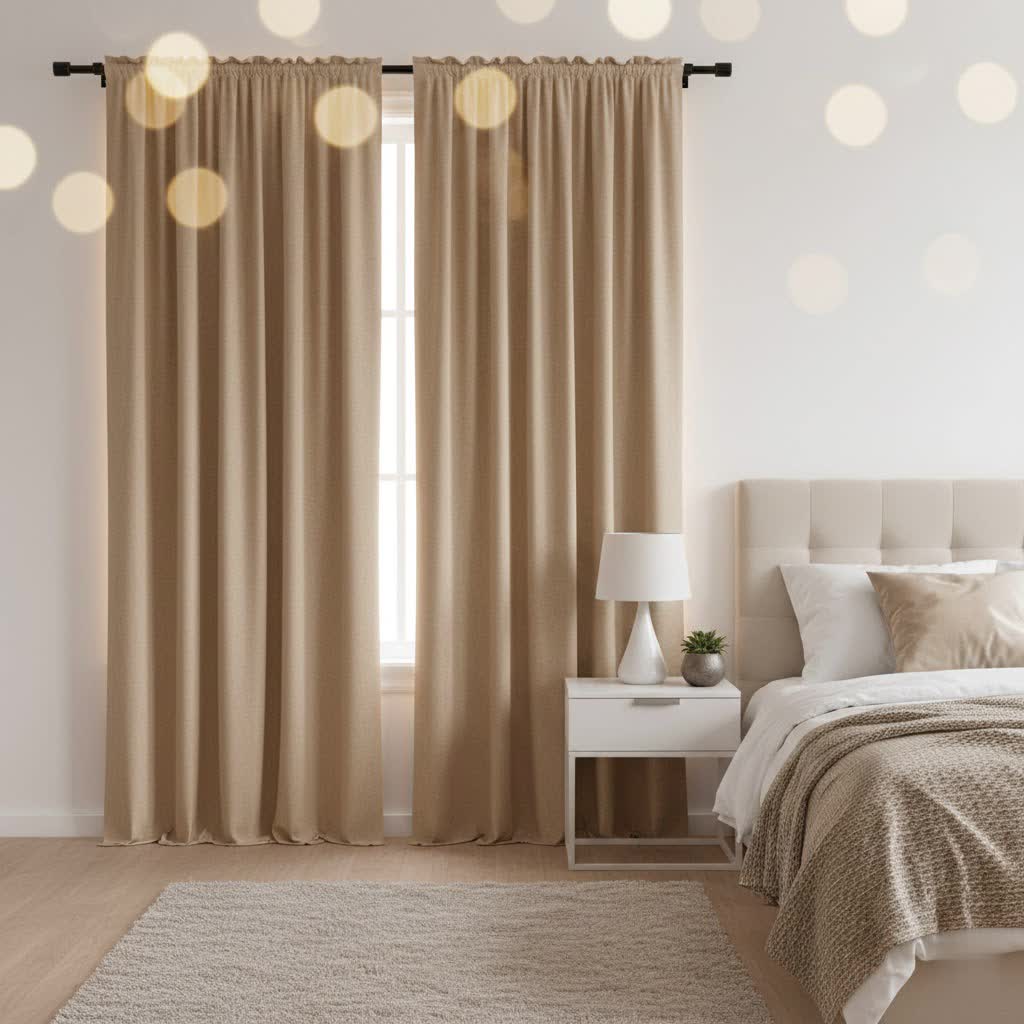
Imagine a space where the scorching summer sun can’t penetrate, or the biting winter chill stays firmly outside, all while ensuring your privacy and a deep, undisturbed sleep. This isn’t just a dream; it’s the reality offered by Insulated Blackout Curtains. More than just aesthetic enhancements, these advanced window treatments are crucial for creating a truly comfortable, energy-efficient, and peaceful home environment. If you’re looking to transform your living space, understanding the power of these specialized curtains is your first step.
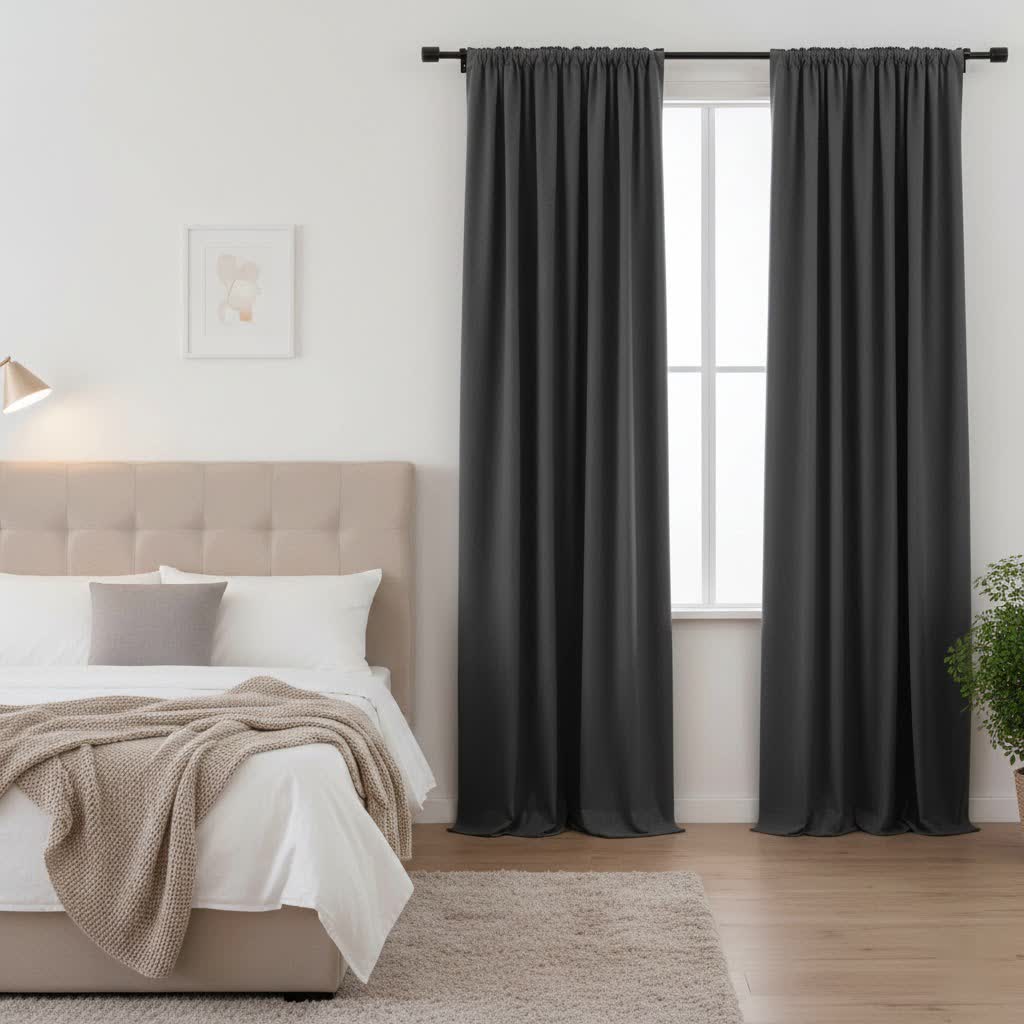
What Are Insulated Blackout Curtains?
Insulated blackout curtains are high-performance window coverings meticulously engineered with a multi-layered construction to provide dual benefits: superior light blocking and exceptional thermal insulation. Unlike standard curtains, their dense, tightly woven fabrics often incorporate specialized inner linings, such as high-density foam or acrylic backing, and sometimes even reflective vapor barriers. This intricate design creates a robust barrier at your windows, preventing unwanted light from entering a room while significantly regulating indoor temperatures. They are designed to manage heat transfer through your windows, making your home more comfortable year-round.
The Unrivaled Benefits of Insulated Blackout Curtains
The advantages of installing insulated blackout curtains extend far beyond simply darkening a room; they offer a holistic upgrade to your home’s comfort and efficiency.
- Absolute Light Blockage: These curtains are primarily renowned for their remarkable ability to block out up to 90-99% of incoming light. This creates a deeply dark environment, ideal for bedrooms, nurseries, or home theaters, promoting better sleep patterns, especially for shift workers or light-sensitive individuals.
- Energy Efficiency & Cost Savings: One of the most significant benefits is their thermal insulation property. They act as an effective barrier against heat transfer, keeping warm air inside during winter and reflecting solar heat away in summer. This reduces the workload on your heating and cooling systems, potentially lowering your energy bills by a significant margin, with studies showing a reduction in heat gain by 30-45%.
- Noise Reduction: The dense, multi-layered construction of insulated blackout curtains helps absorb sound waves, effectively dampening external noise from traffic, neighbors, or urban environments. This creates a quieter, more serene indoor atmosphere, contributing to a more relaxing and focused living space.
- Enhanced Privacy: With their opaque design, these curtains ensure complete privacy, preventing prying eyes from seeing into your home. This is particularly valuable for ground-floor rooms or homes in densely populated areas, offering peace of mind and personal sanctuary.
- UV Protection for Interiors: Constant exposure to direct sunlight can cause your furniture, flooring, and artwork to fade and deteriorate over time. Insulated blackout curtains block harmful UV rays, safeguarding your valuable interior furnishings from premature aging and damage.
How Insulated Blackout Curtains Work Their Magic
The science behind insulated blackout curtains lies in their ability to combat the primary ways heat enters and exits your home through windows: solar radiation, conduction, and air leaks.
Heat naturally moves from warmer areas to cooler ones. In summer, solar radiation directly warms the glass and air inside your room, while heat conducts through the glass itself. In winter, indoor heat escapes through the same pathways. Insulated blackout curtains address these challenges with their specialized construction. They often feature an outer decorative fabric, followed by a dense, opaque layer (like foam-backed acrylic or a triple-weave fabric with a black thread core), and sometimes an additional lining or reflective film. This multi-layered approach works by:
- Blocking Solar Radiation: The opaque layers, especially those with a lighter or reflective backing, directly block sunlight, preventing it from warming your interior spaces.
- Creating an Insulating Barrier: The trapped air pockets within the multiple layers, combined with the dense materials, act as an insulating buffer. Air is a poor conductor of heat, effectively slowing down heat transfer through the windowpane.
- Reducing Air Leaks: When properly installed, these curtains minimize drafts and air infiltration around window frames, further sealing your space from external temperatures.
This combined action increases the R-value of your windows, a measurement of their resistance to heat flow. A higher R-value means better insulation, translating to more stable indoor temperatures and enhanced energy efficiency.
Exploring Popular Types and Materials
Insulated blackout curtains come in a variety of styles and materials, each offering unique benefits to suit different aesthetic preferences and functional needs.
Fabric Blackout Curtains are the most common type, available in a vast array of colors, patterns, and textures. The insulating and light-blocking properties are primarily derived from the fabric’s density and its specialized lining or weave:
- Polyester: A popular choice due to its durability, affordability, and excellent light-blocking capabilities. Many polyester curtains utilize a triple-weave technology, where a black yarn is woven tightly between two outer layers, effectively blocking light and providing insulation without being overly bulky. Foam-backed polyester linings are also common for enhanced thermal properties.
- Microfiber: Known for its softness and plush feel, heavy microfiber fabrics, often with a triple-weave construction, are highly effective at blocking light and offering good thermal insulation.
- Velvet: This luxurious material offers exceptional density and weight, naturally providing strong light blockage and thermal insulation. Velvet curtains add a sophisticated and opulent touch to any room.
- Cotton and Linen: While lighter natural fibers, when combined with a thick, opaque blackout or thermal lining, cotton and linen curtains can also achieve significant insulation and light-blocking. They offer a more natural and airy aesthetic while delivering performance.
Beyond traditional fabric curtains, other window treatment styles can also be designed with insulating blackout properties:
- Insulated Roller Blinds: These offer a sleek, minimalist look. They typically feature thick, opaque fabrics often coated with a thermal backing that rolls up compactly, providing excellent light control and insulation when lowered.
- Insulated Roman Shades: Combining elegance with functionality, Roman shades can be crafted from heavier fabrics with insulating liners. When lowered, they create a soft, pleated look while offering good thermal and light-blocking benefits.
Each type allows you to choose the perfect blend of style, light control, and thermal performance for your home.
Comparison Table for Key Features
| Feature | Insulated Fabric Blackout Curtains | Insulated Roller Blinds | Insulated Roman Shades |
|---|---|---|---|
| Light Blocking | High (90-100%) | High (90-100%) | Moderate to High |
| Thermal Insulation | High | High | Moderate to High |
| Aesthetic | Diverse, classic to modern | Modern, minimalist, sleek | Elegant, tailored, classic |
| Durability | Good | Very Good | Good |
| Cost | Medium – High | Medium – High | High |
| Cleaning | Varies (washable/dry clean) | Easy wipe-down | Professional/Spot clean |
How to Select the Perfect Insulated Blackout Curtains for Your Home
Choosing the right insulated blackout curtains involves a thoughtful approach to ensure they meet both your functional needs and aesthetic desires.
- Assess Your Needs: Begin by identifying the primary purpose for the room. Is it a bedroom where absolute darkness and temperature stability for sleep are paramount? A living room where energy savings are key but some natural light is occasionally desired? Or a home office requiring noise reduction? Your priorities will guide your choices.
- Material and Lining: Opt for dense, tightly woven fabrics like polyester, microfiber, or velvet. Crucially, look for curtains explicitly labeled “thermal” or “insulated,” indicating they have specialized linings (foam-backed, acrylic, or triple-weave) designed for heat and light control. For health-conscious buyers, seeking certifications like OEKO-TEX ensures the fabric is free from harmful substances.
- Precise Measurement and Fit: Accurate measurements are vital for maximizing effectiveness. Curtains should be wide enough to extend several inches beyond the window frame on each side and long enough to reach the windowsill or floor. This minimizes light leakage and creates a better seal against drafts and heat transfer.
- Style and Color: While darker colors traditionally block more light, modern insulated blackout curtains with quality linings can achieve excellent results in lighter shades. Consider your room’s existing decor and desired ambiance. A white or light-colored backing can be beneficial for reflecting sunlight away from your home in hotter climates.
- Installation Considerations: The way you hang your curtains impacts their performance. Installing rods higher and wider than the window frame allows the curtains to fully cover the opening. Consider track rods or wrapping the curtains around the frame to create a tighter seal, preventing light and air from sneaking in at the edges.
- Seek Expert Advice: Don’t hesitate to consult with a window treatment specialist. An expert can provide tailored recommendations based on your specific windows, climate, and design preferences, helping you navigate the options for the best possible outcome.
Tips for Care and Maintenance
Proper care ensures your insulated blackout curtains continue to perform optimally and look great for years to come. Their specialized construction often means they require specific maintenance routines.
- Regular Cleaning: To prevent dust and allergens from accumulating, gently vacuum your curtains regularly using a brush attachment. You can also give them a light shake periodically to dislodge surface dust.
- Washing Guidelines: Always refer to the manufacturer’s care label. Many insulated blackout curtains, especially those with foam or thermal linings, are either dry-clean only or require specific gentle washing cycles in cold water to prevent damage to the delicate layers or shrinking. Machine washing incorrectly can compromise the insulating properties.
- Protecting the Insulating Layer: Avoid harsh chemicals or excessive heat when cleaning, as these can degrade the thermal lining and reduce the curtain’s effectiveness. When drying, air-dry or tumble dry on a very low setting if permitted, and avoid direct, prolonged sunlight exposure during the drying process to protect the specialized backing.
- Periodic Checks: Occasionally inspect the curtains for any signs of wear, especially around grommets or rod pockets, and ensure the linings remain intact. Addressing minor issues early can prolong the life of your curtains and maintain their performance.
“Investing in quality insulated blackout curtains is not just about home decor; it’s about investing in your wellbeing. The ability to control light, temperature, and sound profoundly impacts sleep quality, energy consumption, and overall indoor comfort.” – Dr. Eleanor Vance, Environmental Psychologist
Conclusion
Insulated blackout curtains are a smart, multi-functional addition to any home, offering a unique blend of comfort, energy efficiency, and aesthetic appeal. By effectively blocking light, regulating indoor temperatures, and reducing noise, they create a sanctuary that promotes better sleep and lower energy bills. Whether you’re battling harsh sunlight, seeking greater privacy, or aiming to reduce your carbon footprint, these curtains provide a powerful solution. When properly chosen and maintained, they truly elevate your living experience.
Are you ready to transform your home into a haven of quiet comfort and efficiency with the perfect insulated blackout curtains?
Câu Hỏi Thường Gặp
How much energy can insulated blackout curtains really save?
|
Our Picks for the Best Blackout Curtains in 2026
We may earn a commission when you use one of our links to make a purchase.
|
||
| Num | Product | Action |
|---|---|---|
| 1 | NICETOWN Pitch Black Solid Thermal Insulated Grommet Blackout Curtains/Drapes for Bedroom Window (2 Panels, 42 inches Wide by 63 inches Long, Black) |

|
| 2 | NICETOWN Aqua Blue 100% Blackout Curtain Set, Thermal Insulated & Energy Efficiency Window Draperies for Guest Room, Full Shading Panels for Shift Worker and Light Sleepers, 52W x 84L, 2 PCs |
|
| 3 | NICETOWN Aqua Blue Room Darkening Curtains for Kitchen, Window Treatment Thermal Insulated Solid Grommet Curtains/Drapes Bedroom (Set of 2, 42 inches Wide by 63 Long) |
|
| 4 | NICETOWN Kitchen Curtains for Decoration, Thermal Insulated Grommet Room Darkening Draperies/Panels for Laundry (Beige, 2 Panels, W42 x L63 inches) |
|
| 5 | NICETOWN Light Blue Curtains for Nursery, Thermal Insulated Grommet Room Darkning Curtain Panels for Bedroom/Living Room, Privacy Drapes for Classroom(1 Pair, W42 x L63 inches, Blue) |
|
| 6 | NICETOWN Living Room Completely Shaded Draperies, Privacy Protection & Noise Reducing Ring Top Drapes, Black Lined Insulated Window Treatment Curtain Panels (Beige, 2 Pieces, W52 x L84) |
|
| 7 | NICETOWN Thermal Insulated Grommet Room Darkening Curtains/Draperies/Panels for Bedroom (2 Panels, W42 x L63 inches, Biscotti Beige) |
|
| 8 | NICETOWN Nursery Essential Thermal Insulated Solid Grommet Top Blackout Curtains/Drapes (1 Pair, 42 x 63 inches in Baby Pink) |
|
| 9 | NICETOWN 100% Blackout Window Curtain Panels, Cold and Full Light Blocking Drapes with Black Liner for Nursery, 84 inches Drop Thermal Insulated Draperies (White, 2 Pieces, 52 Wide Each Panel) |
|
| 10 | NICETOWN Living Room Completely Shaded Draperies, Privacy Protection & Noise Reducing Ring Top Drapes, Black Lined Insulated Window Treatment Curtain Panels(Biscotti Beige, 2 Pieces, W52 x L84) |
|
Insulated blackout curtains can significantly reduce energy consumption by minimizing heat transfer through windows. Studies and product tests indicate they can decrease heat gain through windows by up to 30-45% in summer and retain warmth during colder months, directly lowering your heating and cooling costs and making your home more energy-efficient.
Can insulated blackout curtains help with noise reduction?
Yes, the multi-layered, dense construction of insulated blackout curtains makes them effective at absorbing sound waves. This helps to significantly reduce ambient noise from outside your home, creating a quieter and more peaceful indoor environment, which is particularly beneficial for bedrooms, nurseries, or home offices.
What’s the difference between regular blackout curtains and insulated blackout curtains?
While both types block light, insulated blackout curtains include additional layers, such as high-density foam or special thermal linings, specifically designed to provide superior thermal insulation. This extra insulation helps regulate room temperature more effectively, making them better for energy saving compared to standard blackout curtains that primarily focus on light blockage.
What materials are best for insulated blackout curtains?
The best materials for insulated blackout curtains typically include dense, tightly woven fabrics like polyester, microfiber, or velvet, often enhanced with specialized thermal backings or triple-weave technology. These materials effectively block light and create an insulating barrier against temperature fluctuations, ensuring maximum performance.
How should I measure my windows for insulated blackout curtains?
For optimal light blocking and insulation, measure the width of your window including the frame, then add 6-12 inches (15-30 cm) to each side to ensure full coverage. For length, measure from the curtain rod to the floor or windowsill, and decide if you want them to just skim, touch, or puddle slightly for aesthetic and functional benefits.