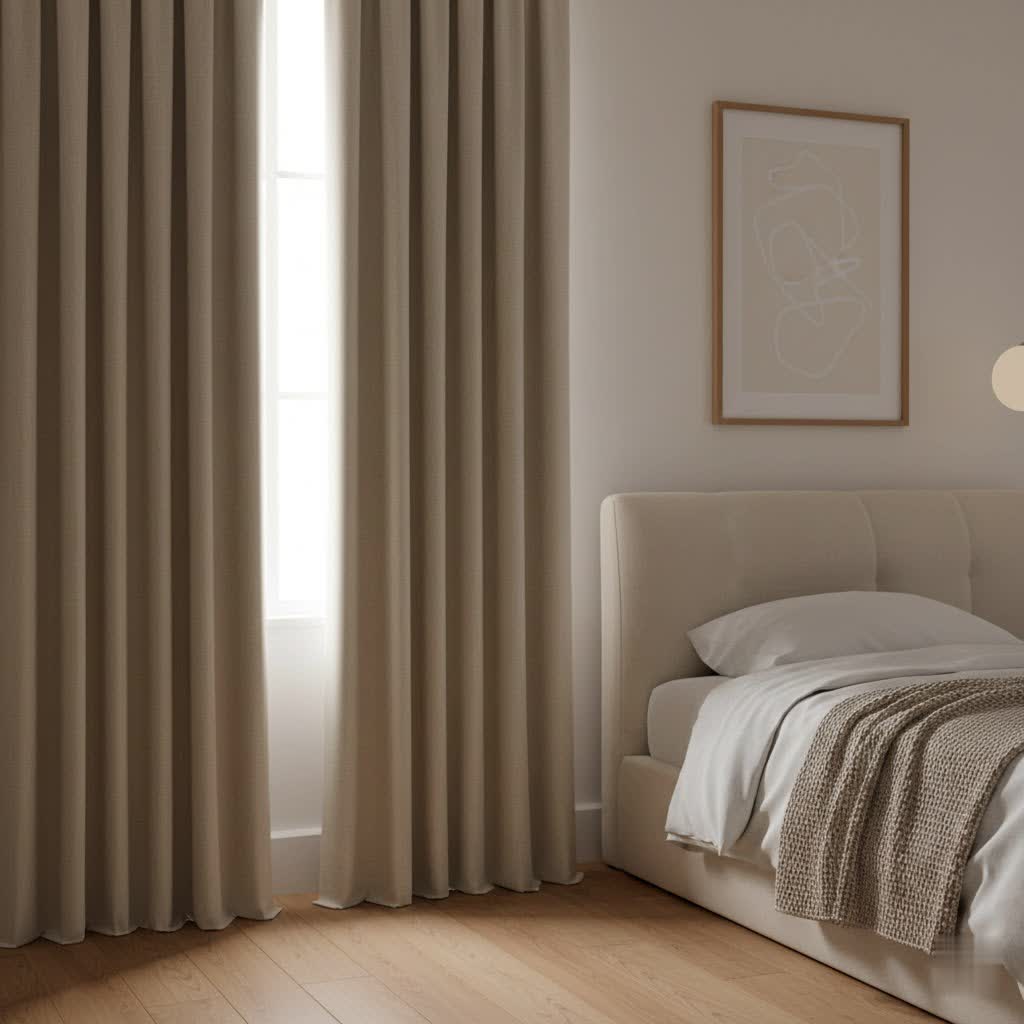
Sliding glass doors offer beautiful views and abundant natural light, yet they often present unique challenges: overwhelming glare, lack of privacy, and significant heat transfer. If you’ve ever struggled to get a good night’s sleep or keep your home cool during a sunny afternoon, you know the struggle is real. Fortunately, specialized blackout curtains for sliding glass doors provide an elegant and effective solution, transforming your living space into a haven of comfort and privacy. This comprehensive guide will help you navigate the world of blackout window treatments, ensuring you choose the perfect option for your home.
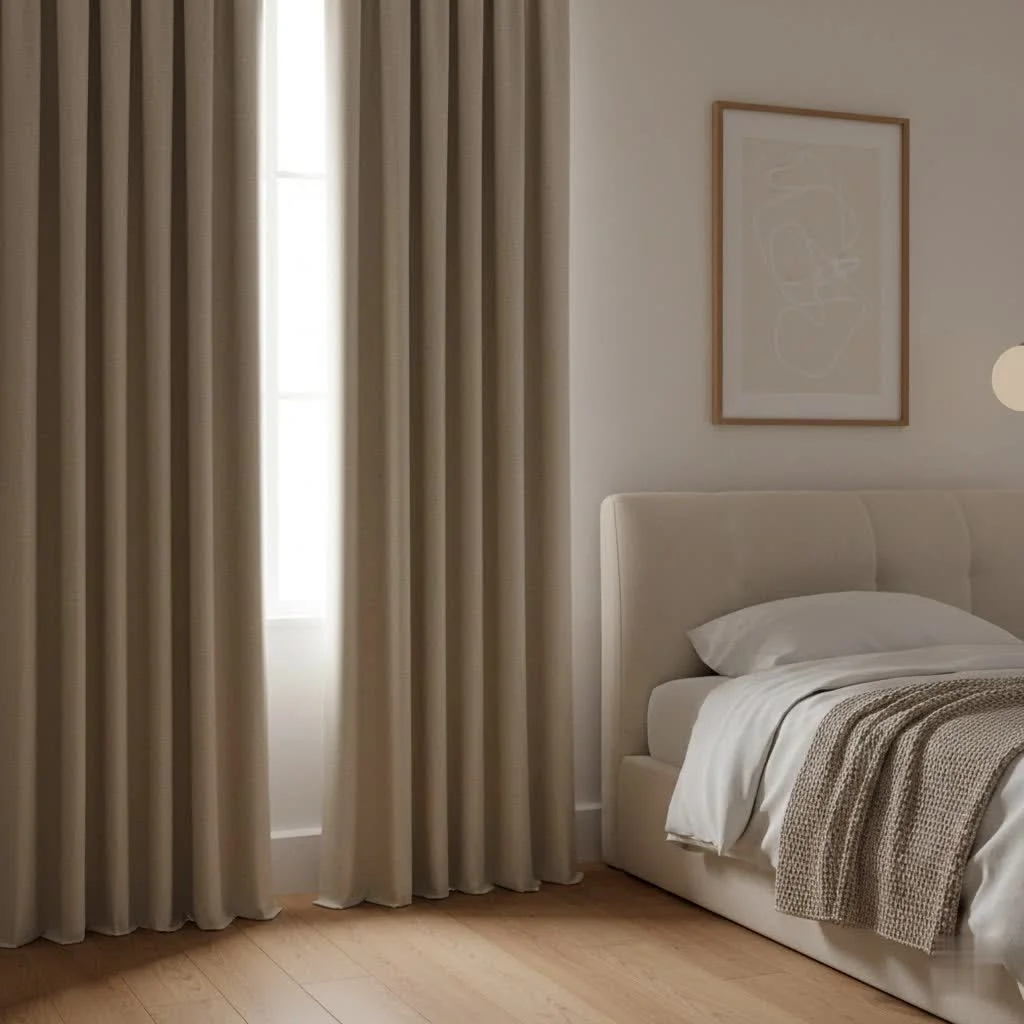
What Are Blackout Curtains and Why Are They Essential for Sliding Glass Doors?
Blackout curtains are more than just heavy drapes; they are expertly engineered window coverings designed to completely block out external light. Their secret lies in a tightly woven fabric, often with multiple layers or a special blackout liner, which prevents light from penetrating. This construction also often provides additional benefits like thermal insulation and sound dampening. For more home decor guides on this site.
For sliding glass doors, which are essentially large panels of glass, traditional window treatments often fall short. Their expansive surface area can lead to significant light leakage, privacy issues, and energy inefficiencies. Blackout curtains specifically designed for these doors address these challenges head-on, offering complete coverage and superior performance compared to standard curtains or blinds.
Key Benefits of Blackout Curtains for Sliding Glass Doors
Choosing the right blackout curtains for your sliding glass doors can dramatically enhance your home environment. The advantages extend far beyond simply blocking light, touching on comfort, utility, and even your well-being.
Absolute Light Blocking
The primary benefit of blackout curtains is their ability to create near-total darkness. This is invaluable for improving sleep quality, especially for shift workers, light-sensitive individuals, or children’s nurseries. They also transform any room into an ideal home theater, eliminating glare on screens for an immersive viewing experience.
Energy Efficiency
Sliding glass doors are notorious for energy loss. Blackout curtains, particularly those with thermal insulation, act as a barrier against heat transfer. They keep scorching summer heat out, reducing reliance on air conditioning, and conversely, prevent warmth from escaping in winter, leading to lower heating bills. This thermal efficiency contributes significantly to a more stable indoor temperature year-round.
Enhanced Privacy
The large glass panels of sliding doors can make your home feel exposed. Blackout curtains provide an impenetrable shield, ensuring complete privacy from outside view, day or night. This added security offers peace of mind and allows you to relax in your personal space without concern.
UV Ray Protection
Constant exposure to direct sunlight can cause irreversible damage to your furniture, flooring, and artwork, leading to fading and degradation. Blackout curtains block harmful UV rays, preserving the vibrancy and lifespan of your interior furnishings.
Noise Reduction
While not their primary function, the dense, multi-layered fabric of many blackout curtains offers a noticeable degree of sound dampening. They can help muffle outside street noise, barking dogs, or noisy neighbors, contributing to a quieter and more tranquil indoor atmosphere.
Aesthetic Appeal
Beyond their functional advantages, blackout curtains come in a vast array of styles, colors, and textures, allowing you to seamlessly integrate them into your existing decor. From minimalist modern to rich traditional, there’s a blackout option to complement any aesthetic.
Types of Blackout Window Treatments for Sliding Glass Doors
|
Our Picks for the Best Blackout Curtains in 2026
As an Amazon Associate I earn from qualifying purchases.
|
||
| Num | Product | Action |
|---|---|---|
| 1 | NICETOWN Living Room Completely Shaded Draperies, Privacy Protection & Noise Reducing Ring Top Drapes, Black Lined Insulated Window Treatment Curtain Panels(Biscotti Beige, 2 Pieces, W52 x L84) |

|
| 2 | NICETOWN Living Room Completely Shaded Draperies, Privacy Protection & Noise Reducing Ring Top Drapes, Black Lined Insulated Window Treatment Curtain Panels (Beige, 2 Pieces, W52 x L84) |
|
| 3 | NICETOWN Light Blue Curtains for Nursery, Thermal Insulated Grommet Room Darkning Curtain Panels for Bedroom/Living Room, Privacy Drapes for Classroom(1 Pair, W42 x L63 inches, Blue) |
|
| 4 | NICETOWN Aqua Blue Room Darkening Curtains for Kitchen, Window Treatment Thermal Insulated Solid Grommet Curtains/Drapes Bedroom (Set of 2, 42 inches Wide by 63 Long) |
|
| 5 | NICETOWN Nursery Essential Thermal Insulated Solid Grommet Top Blackout Curtains/Drapes (1 Pair, 42 x 63 inches in Baby Pink) |
|
| 6 | NICETOWN Thermal Insulated Grommet Room Darkening Curtains/Draperies/Panels for Bedroom (2 Panels, W42 x L63 inches, Biscotti Beige) |
|
| 7 | NICETOWN Aqua Blue 100% Blackout Curtain Set, Thermal Insulated & Energy Efficiency Window Draperies for Guest Room, Full Shading Panels for Shift Worker and Light Sleepers, 52W x 84L, 2 PCs |
|
| 8 | NICETOWN Pitch Black Solid Thermal Insulated Grommet Blackout Curtains/Drapes for Bedroom Window (2 Panels, 42 inches Wide by 63 inches Long, Black) |
|
| 9 | NICETOWN Kitchen Curtains for Decoration, Thermal Insulated Grommet Room Darkening Draperies/Panels for Laundry (Beige, 2 Panels, W42 x L63 inches) |
|
| 10 | NICETOWN 100% Blackout Window Curtain Panels, Cold and Full Light Blocking Drapes with Black Liner for Nursery, 84 inches Drop Thermal Insulated Draperies (White, 2 Pieces, 52 Wide Each Panel) |
|
When considering blackout solutions for your sliding glass doors, you’ll find several effective options, each with distinct features, aesthetics, and operational mechanisms.
Blackout Curtains/Draperies
These are the most common and versatile choice, offering a soft, flowing look. Made from heavy fabrics or lined with special blackout material, they effectively block light. They can be hung using various rod types, such as grommet tops for easy gliding, rod pockets for a classic gathered look, or back tabs for a tailored appearance.
- Advantages: Wide range of styles, colors, and textures; can be layered with sheer curtains for flexible light control; provides excellent insulation and sound dampening.
- Disadvantages: Can accumulate dust; may create a “stack back” when open, obstructing part of the door; require periodic cleaning, which can be time-consuming.
Vertical Blinds / Panel Track Blinds
A classic and highly functional option, vertical blinds feature individual slats that run along a track, allowing them to be rotated or drawn completely open. Panel track blinds are a modern variation, using wider fabric panels that glide smoothly across the door.
- Advantages: Excellent for wide openings; easy to operate and adjust light levels; durable and low maintenance, especially for PVC or faux wood options; modern, clean aesthetic with panel track systems.
- Disadvantages: Individual slats can be noisy when the door is opened or with drafts (for traditional vertical blinds); may allow some light leakage between slats if not perfectly aligned; less insulating than some fabric options.
Blackout Cellular (Honeycomb) Shades
Known for their exceptional energy efficiency, cellular shades feature a unique honeycomb structure that traps air, creating an insulating barrier. Vertical cellular shades are designed specifically for sliding glass doors, stacking compactly when opened.
- Advantages: Superior thermal insulation, leading to significant energy savings; offer excellent light control, with full blackout options; stack neatly, minimizing obstruction of the view when open; available in various colors and textures.
- Disadvantages: Can be more delicate than curtains or vertical blinds; difficult to clean thoroughly due to their cellular structure; may have a more modern or minimalist aesthetic that doesn’t suit all decors.
Blackout Roller Shades
Roller shades offer a sleek, minimalist aesthetic, consisting of a single panel of fabric that rolls up into a cassette at the top of the door. Blackout versions are made from opaque materials for complete light blockage.
- Advantages: Clean, unobtrusive design; highly effective at blocking light; easy to operate with a simple pull chain or spring mechanism; available in various colors and materials.
- Disadvantages: May require multiple shades for a single wide sliding door, which can limit seamless operation; less insulating than cellular shades; cannot be easily opened partially across the door.
Comparing Popular Blackout Window Treatments for Sliding Glass Doors
Choosing the ideal window treatment involves weighing various factors. Here’s a quick comparison to help you decide:
| Tính năng | Blackout Curtains | Vertical/Panel Track Blinds | Cellular Shades | Roller Shades |
|---|---|---|---|---|
| Khả năng Chống Nắng | Cao | Cao | Rất cao | Cao |
| Tính Thẩm Mỹ | Đa dạng, mềm mại | Hiện đại, chuyên nghiệp | Hiện đại, tối giản | Tối giản, gọn gàng |
| Độ Bền | Tốt (với chất liệu tốt) | Tốt | Trung bình | Tốt |
| Giá Thành | Trung bình – Cao | Trung bình | Cao | Trung bình |
| Vệ Sinh | Dễ giặt (một số loại) | Dễ lau chùi | Khó vệ sinh | Dễ lau chùi |
| Vận Hành | Kéo tay, dây, thanh | Kéo dây, thanh, có thể motor | Kéo dây, không dây, có thể motor | Kéo dây, không dây, có thể motor |
| Cách Nhiệt | Tốt | Trung bình | Rất tốt | Trung bình |
How to Choose the Right Blackout Curtains for Your Sliding Glass Door
Selecting the perfect blackout solution requires careful consideration of your specific needs, the door’s dimensions, and your home’s style.
Measure Accurately
Precise measurements are paramount for effective light blocking and a polished look. For width, measure the door frame and consider extending the rod 6-12 inches beyond each side to prevent light gaps and allow curtains to stack off the glass. For fullness, aim for 1.5 to 2 times the width of the door. For length, measure from the curtain rod to where you want the curtain to fall – typically just above the floor or barely touching it for a dramatic look.
Consider the Mounting Style
Decide between an inside mount (within the door frame) or an outside mount (on the wall above the frame). Outside mounts are generally recommended for blackout options on sliding doors, as they cover a wider area and minimize light leakage around the edges. Ensure sufficient space for the curtain rod and the “stack back” when the curtains are open.
Material and Fabric
Look for materials explicitly designed for blackout performance, such as triple-weave polyester, heavy velvet, or fabrics with a specialized acrylic foam backing. These materials offer superior light blocking, thermal insulation, and often better durability. The fabric’s texture and weight will also influence the drape and overall aesthetic.
Operation Mechanism
Consider how frequently you’ll open and close the curtains. Grommet-top curtains slide smoothly, making them ideal for high-traffic doors. Back tabs offer a more tailored look but may be slightly less fluid to operate. For ultimate convenience, especially with wide or tall doors, explore wand-operated or motorized options that allow effortless control with a remote or smart device.
Aesthetics and Design
Your blackout curtains should complement your interior decor. Choose colors and patterns that harmonize with your room’s palette. Lighter colors with a blackout lining can still provide complete darkness without making the room feel heavy. Textured fabrics like linen or velvet can add depth and warmth.
Level of Blackout
Distinguish between “room darkening” and “100% blackout.” Room darkening curtains reduce a significant amount of light but may still allow some ambient light. True 100% blackout curtains are designed to block all light, creating complete darkness. For bedrooms or media rooms, opt for true blackout.
Top Features and Innovations in Blackout Curtains for Sliding Glass Doors
The world of window treatments is constantly evolving, bringing new features that enhance functionality and user experience.
- Magnetic Closures: Some blackout curtains feature discreet magnetic closures along the sides or where panels meet, creating a tight seal to eliminate annoying light gaps.
- Wand Operated Systems: A simple, elegant solution that allows you to open and close your curtains without touching the fabric, keeping them cleaner and extending their lifespan.
- Extra-Wide Panels: Designed specifically for the expansive dimensions of sliding glass doors, these panels minimize the need for multiple curtain sections, creating a more seamless look.
- Motorized Options: For the ultimate in convenience, motorized blackout shades and curtains can be controlled via remote control, wall switch, or integrated into smart home systems for voice control and scheduled operation.
- Thermal Backing/Lining: Beyond basic light blocking, advanced thermal backings significantly boost insulation properties, offering superior temperature regulation and energy savings.
Maintenance and Care Tips for Your Blackout Curtains
Proper care ensures your blackout curtains remain effective and beautiful for years to come.
- Regular Dusting: Use a soft brush attachment on your vacuum cleaner or a lint roller to gently remove dust and debris from the fabric surface.
- Spot Cleaning: Address small stains immediately with a damp cloth and mild soap, dabbing gently rather than rubbing. Always test on an inconspicuous area first.
- Washing Instructions: Always refer to the manufacturer’s care label. Many blackout curtains are machine washable on a gentle cycle with cold water. Avoid hot water, which can damage the blackout lining.
- Drying: Air drying is usually best. Hang the curtains back on their rod or lay them flat. Avoid direct sunlight during drying, as prolonged exposure can degrade the blackout lining. Never put them in a tumble dryer unless specifically instructed, and use the lowest heat setting if you do.
- Ironing: If needed, iron on a low heat setting on the fabric side, not directly on the blackout lining, to prevent damage.
- Hardware Check: Periodically inspect curtain rods and hardware to ensure they are secure and functioning smoothly, especially with heavy blackout drapes.
Conclusion
Blackout curtains for sliding glass doors are an investment in your home’s comfort, privacy, and energy efficiency. By carefully considering the various types, materials, and operational features available, you can choose a solution that not only meets your practical needs for light control and insulation but also enhances your home’s aesthetic appeal. With the right blackout treatment, your sliding glass doors can transform from a source of glare and heat into a controlled, private, and perfectly comfortable gateway to your outdoor space. Are you ready to embrace the ultimate control over light and privacy in your home?
Frequently Asked Questions
How do blackout curtains differ from room darkening curtains?
Blackout curtains are designed to block 99-100% of light, creating near-total darkness. Room darkening curtains, while significantly reducing light, still allow some ambient light to filter through, typically blocking 70-90% of light. For complete darkness, always choose true blackout options.
Can blackout curtains really save energy?
Yes, absolutely. Blackout curtains with thermal properties create an insulating barrier at your window or door. This helps to block heat from entering your home in the summer and prevents warm air from escaping in the winter, leading to a noticeable reduction in your heating and cooling costs.
What is the best way to clean blackout curtains for sliding doors?
The best cleaning method depends on the fabric and lining, so always check the care label. Many can be machine washed on a gentle cycle with cold water and air-dried. For daily maintenance, regular vacuuming with a brush attachment and spot cleaning are effective.
Are there cordless blackout options for child safety?
Yes, many blackout window treatments, especially roller shades, cellular shades, and some panel track systems, are available in cordless designs. These options eliminate dangling cords, making them a safer choice for homes with children and pets while providing seamless operation.
How wide should blackout curtains be for a sliding glass door?
For optimal light blockage and a lush appearance, blackout curtains should be at least 1.5 to 2 times the width of your sliding glass door opening. Additionally, extending the curtain rod 6-12 inches beyond each side of the door frame can help prevent light leakage around the edges when the curtains are closed.
Get our weekly buyer guide
Practical specs, not advice. Unsubscribe anytime.
