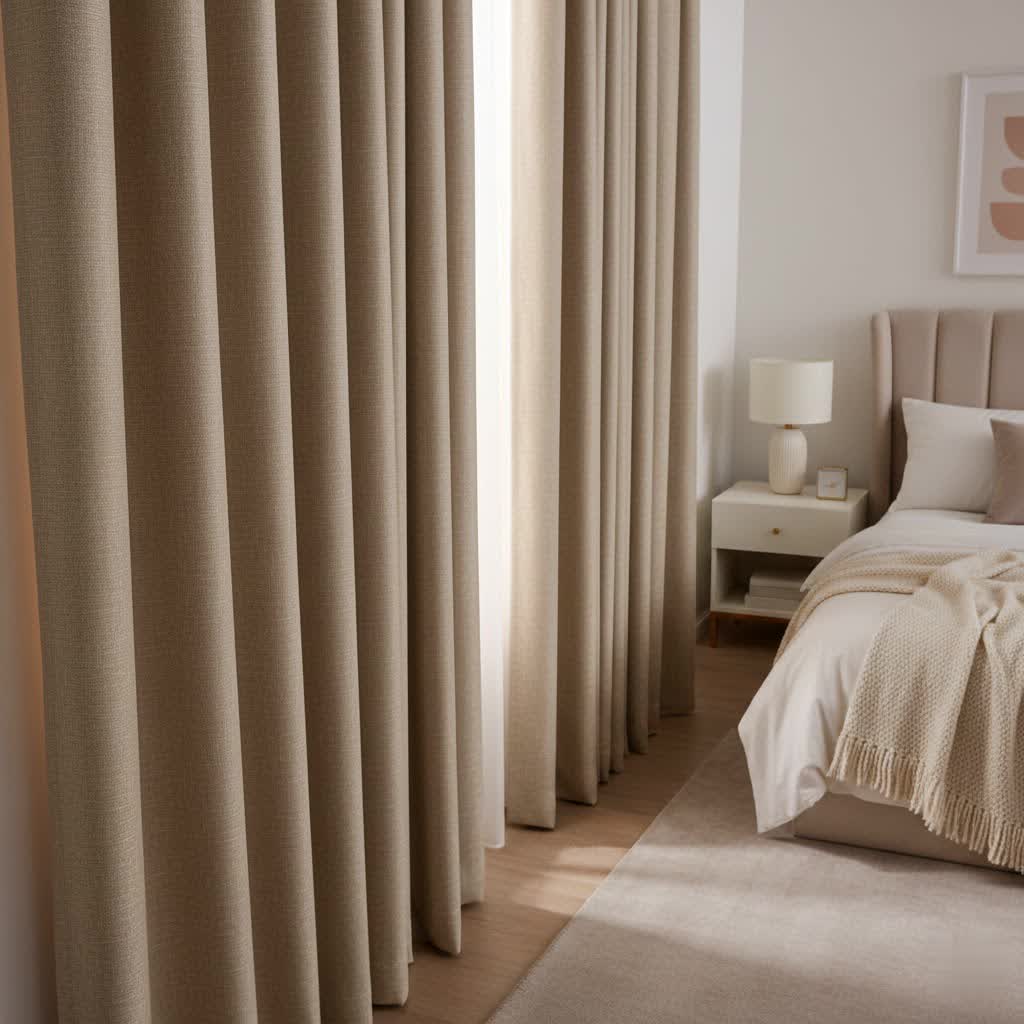
Creating a serene and conducive environment for a child’s sleep is a top priority for parents everywhere. With the hustle and bustle of daily life, external light, noise, and fluctuating temperatures can often disrupt precious nap times and nighttime slumber. This is where children’s blackout curtains emerge as an indispensable solution, transforming any room into a peaceful sanctuary. These specialized window treatments go far beyond simple aesthetics, offering a multitude of benefits that are crucial for a child’s well-being and development.
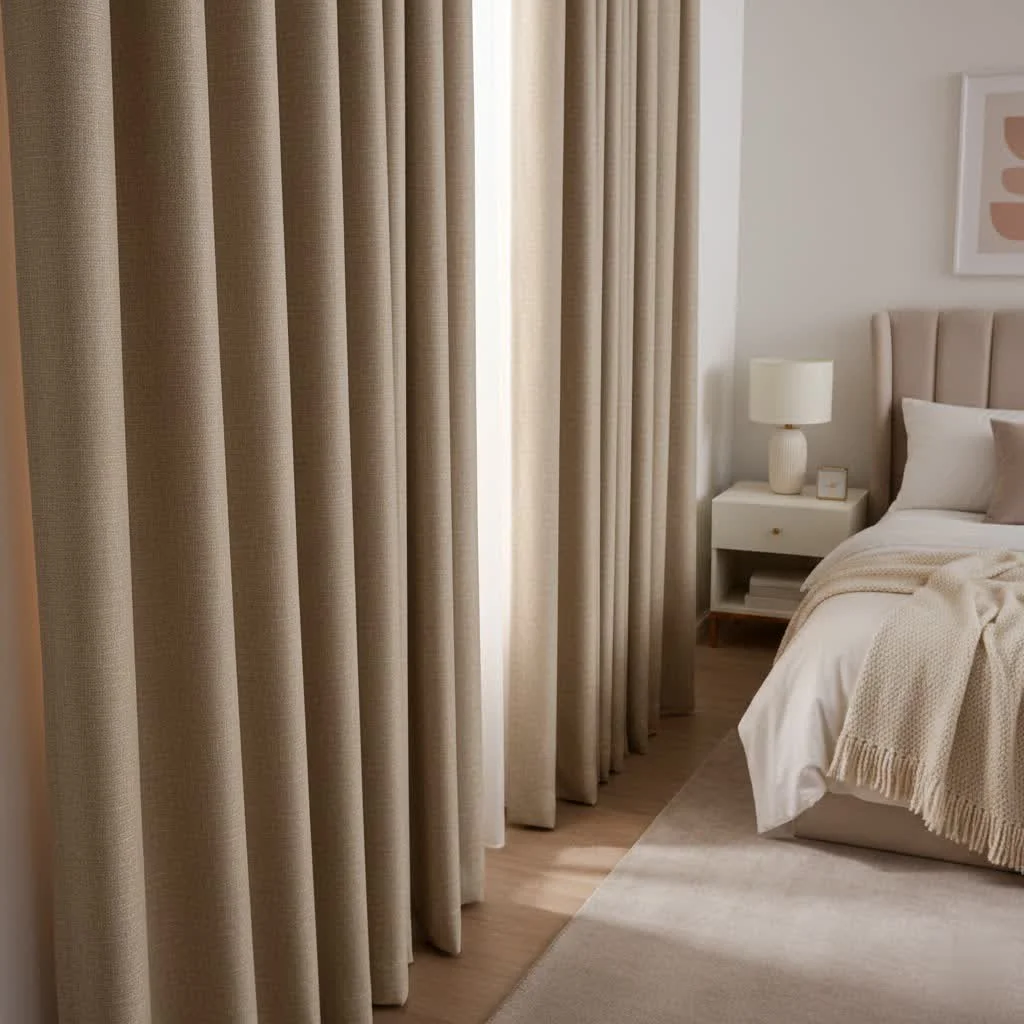
Whether you’re struggling with early morning sun, bright streetlights, or simply seeking to establish a consistent sleep routine, understanding the advantages and choosing the right blackout curtains can make a world of difference. This comprehensive guide will walk you through everything you need to know, from their fundamental purpose to selecting the safest and most effective options for your little one’s space. For more home decor guides on this site.
What Are Blackout Curtains?
Blackout curtains are specially designed window coverings engineered to block out a significant percentage of incoming light, typically ranging from 95% to 100%. Unlike standard curtains that merely dim a room, blackout curtains achieve near-total darkness, creating an optimal sleeping environment regardless of the time of day.
Their effectiveness stems from their unique construction. Most blackout curtains feature multiple layers of densely woven fabric, often incorporating a thermal-backed or triple-weave design. The inner layer, usually a dark or opaque material, acts as the primary light barrier. Some designs utilize a specific coating (often acrylic foam or rubberized backing) applied to the fabric to enhance its light-blocking capabilities. This multi-layered approach not only prevents light penetration but also contributes to other beneficial properties like insulation and noise reduction. The result is a dark, cozy, and undisturbed space, perfect for encouraging deep, restorative sleep in children.
Benefits of Using Children’s Blackout Curtains
The advantages of installing blackout curtains in a child’s room extend far beyond simply blocking light, impacting various aspects of their health and daily life.
- Absolute Light Blockage: The most obvious benefit, blackout curtains effectively eliminate external light, from harsh sunlight during daytime naps to streetlights and car headlights at night. This absolute darkness is crucial for regulating a child’s sleep-wake cycle and promoting melatonin production, the hormone essential for falling and staying asleep. For babies and toddlers, especially, a dark room helps establish consistent sleep routines.
- Improved Sleep Quality and Duration: By creating an ideal sleep environment, these curtains help children fall asleep faster and experience fewer awakenings. This leads to longer, more consolidated periods of rest, which are vital for their physical and mental growth. Research indicates that a significant percentage of children experience sleep difficulties, and blackout curtains can be a powerful tool to address this.
- Energy Savings: Blackout curtains offer excellent thermal insulation. In warmer months, they block heat from entering the room, reducing the need for air conditioning. During colder periods, they help retain warmth, minimizing heat loss. This temperature regulation can lead to noticeable reductions in household energy costs.
- UV Protection for Furniture and Skin: The thick fabric of blackout curtains effectively blocks harmful UV rays. This protects valuable furniture, flooring, and toys from fading and sun damage, extending their lifespan. More importantly, it shields your child’s delicate skin from direct sun exposure, even indoors.
- Enhanced Privacy: For children’s rooms, particularly those facing busy streets or close to neighbors, blackout curtains provide an unparalleled level of privacy. They ensure that no silhouettes or internal activities are visible from outside, giving both parents and children peace of mind.
- Noise Reduction: While primarily focused on light, the dense, multi-layered construction of many blackout curtains also offers a degree of sound dampening. They can muffle outside noises, such as traffic, neighborhood activity, or even household sounds, creating a quieter environment conducive to sleep and concentration.
Popular Types of Blackout Curtains for Children
When selecting blackout curtains for a child’s room, you’ll encounter a variety of styles, each with its own benefits and aesthetic appeal.
Fabric Blackout Curtains
|
Our Picks for the Best Blackout Curtains in 2026
As an Amazon Associate I earn from qualifying purchases.
|
||
| Num | Product | Action |
|---|---|---|
| 1 | NICETOWN Kitchen Curtains for Decoration, Thermal Insulated Grommet Room Darkening Draperies/Panels for Laundry (Beige, 2 Panels, W42 x L63 inches) |

|
| 2 | NICETOWN Nursery Essential Thermal Insulated Solid Grommet Top Blackout Curtains/Drapes (1 Pair, 42 x 63 inches in Baby Pink) |
|
| 3 | NICETOWN Living Room Completely Shaded Draperies, Privacy Protection & Noise Reducing Ring Top Drapes, Black Lined Insulated Window Treatment Curtain Panels(Biscotti Beige, 2 Pieces, W52 x L84) |
|
| 4 | NICETOWN Aqua Blue 100% Blackout Curtain Set, Thermal Insulated & Energy Efficiency Window Draperies for Guest Room, Full Shading Panels for Shift Worker and Light Sleepers, 52W x 84L, 2 PCs |
|
| 5 | NICETOWN Thermal Insulated Grommet Room Darkening Curtains/Draperies/Panels for Bedroom (2 Panels, W42 x L63 inches, Biscotti Beige) |
|
| 6 | NICETOWN 100% Blackout Window Curtain Panels, Cold and Full Light Blocking Drapes with Black Liner for Nursery, 84 inches Drop Thermal Insulated Draperies (White, 2 Pieces, 52 Wide Each Panel) |
|
| 7 | NICETOWN Light Blue Curtains for Nursery, Thermal Insulated Grommet Room Darkning Curtain Panels for Bedroom/Living Room, Privacy Drapes for Classroom(1 Pair, W42 x L63 inches, Blue) |
|
| 8 | NICETOWN Pitch Black Solid Thermal Insulated Grommet Blackout Curtains/Drapes for Bedroom Window (2 Panels, 42 inches Wide by 63 inches Long, Black) |
|
| 9 | NICETOWN Living Room Completely Shaded Draperies, Privacy Protection & Noise Reducing Ring Top Drapes, Black Lined Insulated Window Treatment Curtain Panels (Beige, 2 Pieces, W52 x L84) |
|
| 10 | NICETOWN Aqua Blue Room Darkening Curtains for Kitchen, Window Treatment Thermal Insulated Solid Grommet Curtains/Drapes Bedroom (Set of 2, 42 inches Wide by 63 Long) |
|
These are the most common type, resembling traditional drapes but with specialized light-blocking properties.
- Pros: Highly versatile in terms of design, color, and pattern. Offer excellent light blockage and often good thermal insulation. Can add warmth and texture to a room. Many are machine washable.
- Cons: Can be bulky if heavily lined. May allow small light leaks around the edges if not perfectly fitted or paired with additional window treatments.
- Common Materials: Polyester blends are prevalent due to their durability and wrinkle resistance. Cotton with a specialized blackout lining is also popular for a softer feel. Triple-weave fabrics are a chemical-free option, using three layers of tightly woven yarn to block light.
Blackout Roller Shades
Roller shades offer a sleek, minimalist look, pulling down smoothly to cover the window.
- Pros: Very effective at blocking light due to their snug fit against the window frame. Take up minimal space. Easy to operate. Available in various materials, including vinyl, PVC, and specialized blackout fabrics.
- Cons: Less decorative than fabric curtains. Can be harder to clean if made from certain materials. May lack the insulating properties of thicker fabric curtains unless specifically designed with thermal backing.
- Mechanism: Operated by a side chain, spring-loaded mechanism, or increasingly, a cordless lift system for safety.
Blackout Roman Shades
Roman shades offer a softer, more elegant alternative to roller shades, folding into neat pleats when raised.
- Pros: Combine the soft look of fabric with the functionality of a shade. Provide excellent light control and can add a sophisticated touch to a child’s room. Can be customized with various fabrics and patterns.
- Cons: Typically more expensive than other options. Can be more challenging to clean due to their layered fabric structure. May not offer 100% blackout unless specifically designed with an integrated blackout liner and proper installation.
- Style: Often chosen for nurseries or older children’s rooms where a more refined aesthetic is desired.
Blackout Vertical Blinds
While less common for children’s bedrooms, vertical blinds are an option, particularly for larger windows or sliding doors.
- Pros: Excellent for controlling light and privacy by rotating the slats. Durable and easy to clean, often made from PVC or fabric-backed materials.
- Cons: Can be noisy when opened or closed. Slats can be easily damaged or pulled by young children. May not achieve total darkness due to gaps between slats.
- Suitability: More often found in offices or living areas, but certain designs can work in children’s rooms if safety concerns are addressed.
Comparison Table of Blackout Curtains
| Feature | Fabric Blackout Curtains | Blackout Roller Shades | Blackout Roman Shades | Blackout Vertical Blinds |
|---|---|---|---|---|
| Light Blocking Ability | High | High | Medium – High | Medium |
| Aesthetic Appeal | Diverse styles, cozy | Modern, minimalist | Elegant, structured | Simple, functional |
| Durability | Good | Good | Medium | Good |
| Cost | Medium – High | Medium | High | Medium |
| Cleaning | Varies (some machine wash) | Easy to wipe clean | More challenging to clean | Easy to wipe clean |
| Noise Reduction | Good | Moderate | Moderate | Low |
| Thermal Insulation | Good | Good | Moderate | Low – Moderate |
| Child Safety (Cords) | Cordless options available | Cordless options essential | Cordless options essential | Cordless options essential |
How to Choose the Right Children’s Blackout Curtains
Selecting the perfect blackout curtains involves balancing functionality, safety, and style to create an ideal environment for your child.
- Determine Usage Needs: Consider the primary purpose. Is it for a newborn’s nursery requiring absolute darkness for consistent sleep? Or for an older child who needs less intense light blocking but still benefits from reduced glare and privacy? For babies and toddlers (0-3 years), aim for 85-100% blackout. Preschoolers (3-5 years) can benefit from 85-95%, while school-aged children (6-12 years) might be content with 70-90% blackout.
- Prioritize Safety Features: This is paramount for any product in a child’s room.
- Cordless Design: Always choose cordless curtains or shades to eliminate strangulation hazards. If cords are unavoidable with older window treatments, ensure they are securely tied away and out of reach.
- Non-Toxic Materials: Look for fabrics certified by organizations like OEKO-TEX Standard 100 or GREENGUARD Gold. These certifications verify that the materials are free from harmful substances and volatile organic compounds (VOCs) that could off-gas into your child’s room. Organic cotton, linen, and certain polyester blends can be good choices.
- Secure Installation: Ensure curtain rods and brackets are mounted securely to wall studs whenever possible. Children can pull on curtains, so robust installation prevents accidents.
- Appropriate Length: Avoid floor-length curtains in rooms for younger children, as they can be a tripping hazard or something children might pull on. Sill-length or “float” styles are generally safer.
- Select Suitable Material:
- Light Blocking: Opt for thick, dense fabrics, or those with a specialized blackout lining (thermal-backed) or a triple-weave construction.
- Durability and Maintenance: Children’s rooms are prone to messes. Choose materials that are easy to clean, ideally machine washable and wrinkle-resistant, like polyester or cotton blends.
- Softness: Smooth fabrics like microfiber or certain polyester blends create a soothing environment and are gentle on sensitive skin.
- Accurate Measurement: To achieve maximum light blockage and a tidy look, measure your windows precisely. Curtains should extend several inches beyond the window frame on all sides and above the top to prevent light leakage.
- Match Style and Aesthetics: While functionality is key, the curtains should also complement the room’s decor.
- Colors: Darker colors inherently absorb more light, but lighter blackout fabrics are also available due to their specialized lining. Consider colors that promote calmness like muted blues, greens, or grays.
- Patterns: Choose playful patterns (stars, animals, abstract shapes) that spark joy but also consider designs that can grow with your child’s evolving tastes to ensure longevity.
- Hanging Style: Rod pockets, back tab tops, and pinch pleat styles typically offer better light control than grommet or tab top curtains, which can have small gaps.
Expert Insight for Children’s Blackout Curtains
“The right blackout curtains are more than just a decor choice; they’re an investment in your child’s health and happiness. By creating a truly dark sleep environment, you’re helping regulate their natural rhythms, promoting deeper sleep, and fostering better mood and development.” – Dr. Evelyn Reed, Pediatric Sleep Specialist
Tips for Using and Maintaining Children’s Blackout Curtains
Proper care and usage will ensure your children’s blackout curtains remain effective and beautiful for years to come.
- Regular Cleaning: Dust and allergens can accumulate on curtains. Vacuuming them regularly with an upholstery attachment or giving them a gentle shake outdoors can help.
- Washing Instructions: Always follow the manufacturer’s washing instructions carefully. Many blackout curtains are machine washable on a cold, delicate cycle. Avoid harsh detergents or bleach, which can damage the blackout lining.
- Drying: Air drying or hang drying is often recommended to protect the integrity of the blackout layer. If using a dryer, opt for a low heat setting and remove promptly to prevent wrinkles. Avoid prolonged direct sun exposure during drying, as it can degrade the blackout coating over time.
- Inspect Regularly: Periodically check the curtains for any damage to the blackout lining, loose threads, or signs of wear. Ensure all mounting hardware remains secure, especially if you have active children.
- Minimize Light Leakage: For maximum darkness, consider pairing your blackout curtains with light-blocking blinds or shades. Ensure the curtains extend well beyond the window frame and touch the wall on the sides, or use a wraparound curtain rod.
Conclusion
Children’s blackout curtains are a transformative addition to any nursery or child’s bedroom, offering far more than just light control. They are a powerful tool for promoting healthy sleep patterns, regulating internal body clocks, and creating a safe, comfortable, and energy-efficient space for your little ones. From reducing external distractions to providing vital UV protection, their benefits contribute significantly to a child’s overall well-being. By thoughtfully considering safety features, material choices, and design, you can select the perfect blackout curtains to support your child’s growth and ensure they get the restful sleep they deserve.
Ready to create the ultimate sleep sanctuary for your child? What benefits of blackout curtains are most appealing to your family’s needs?
Frequently Asked Questions
What level of blackout is best for a baby’s nursery?
For a baby’s nursery, aiming for 85-100% blackout is generally recommended. This level of darkness is crucial for establishing healthy sleep routines and promoting melatonin production, which helps infants and toddlers sleep more soundly through naps and the night.
Are blackout curtains safe for children’s rooms?
Yes, when chosen carefully. Prioritize cordless designs to eliminate strangulation risks and look for certifications like OEKO-TEX Standard 100 to ensure the fabric is free from harmful chemicals. Secure installation is also vital to prevent curtains from being pulled down by active children.
Can blackout curtains help with noise reduction in a child’s room?
While their primary function is light blocking, the dense, multi-layered fabric of blackout curtains often provides a secondary benefit of moderate noise reduction. They can help muffle external sounds like traffic or neighborhood activity, contributing to a quieter and more peaceful sleep environment.
What materials are best for children’s blackout curtains?
Look for durable and easy-to-clean materials like polyester blends or cotton with a specialized blackout lining. Triple-weave fabrics are an excellent chemical-free option. Ensure the material is soft to the touch and, ideally, machine washable for easy maintenance.
How do I choose the right size blackout curtains for my child’s window?
To maximize light blockage, measure your window accurately. Curtains should extend at least 6-12 inches wider than the window frame on each side and reach either the windowsill or floor, depending on your preference and safety considerations. This overlap minimizes light leakage around the edges.
Get our weekly buyer guide
Practical specs, not advice. Unsubscribe anytime.
