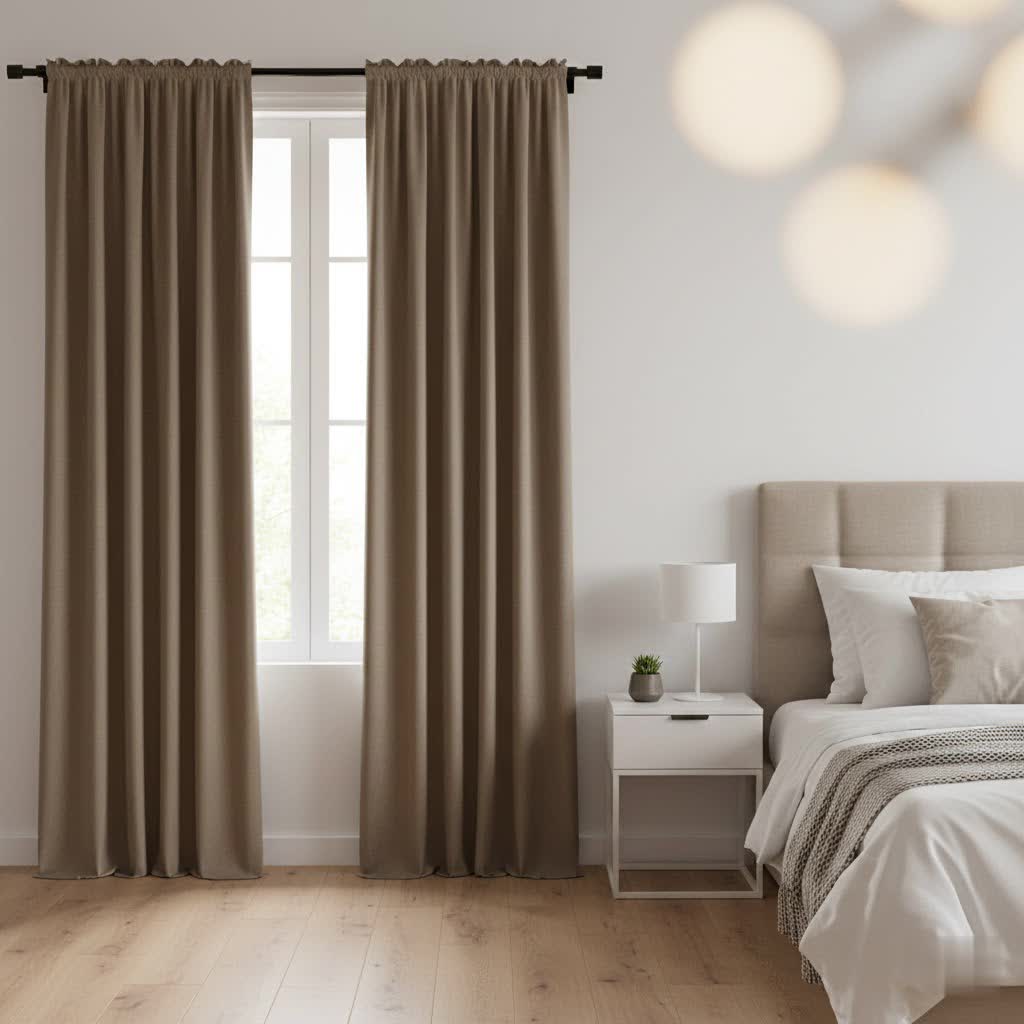
Sliding glass doors are a beautiful architectural feature, inviting natural light and offering seamless access to outdoor spaces. However, this expansive glass can also be a source of unwanted glare, heat, UV damage, and a significant lack of privacy. If you’ve ever wrestled with bright morning sun in your bedroom or felt exposed in your living room, you know the challenge. Blackout curtains for sliding glass doors offer a powerful, elegant solution, transforming your home into a sanctuary of comfort and discretion. They are designed not just to block light but to provide a multitude of benefits that enhance your living experience and protect your interior space.
What Are Blackout Curtains for Sliding Glass Doors?
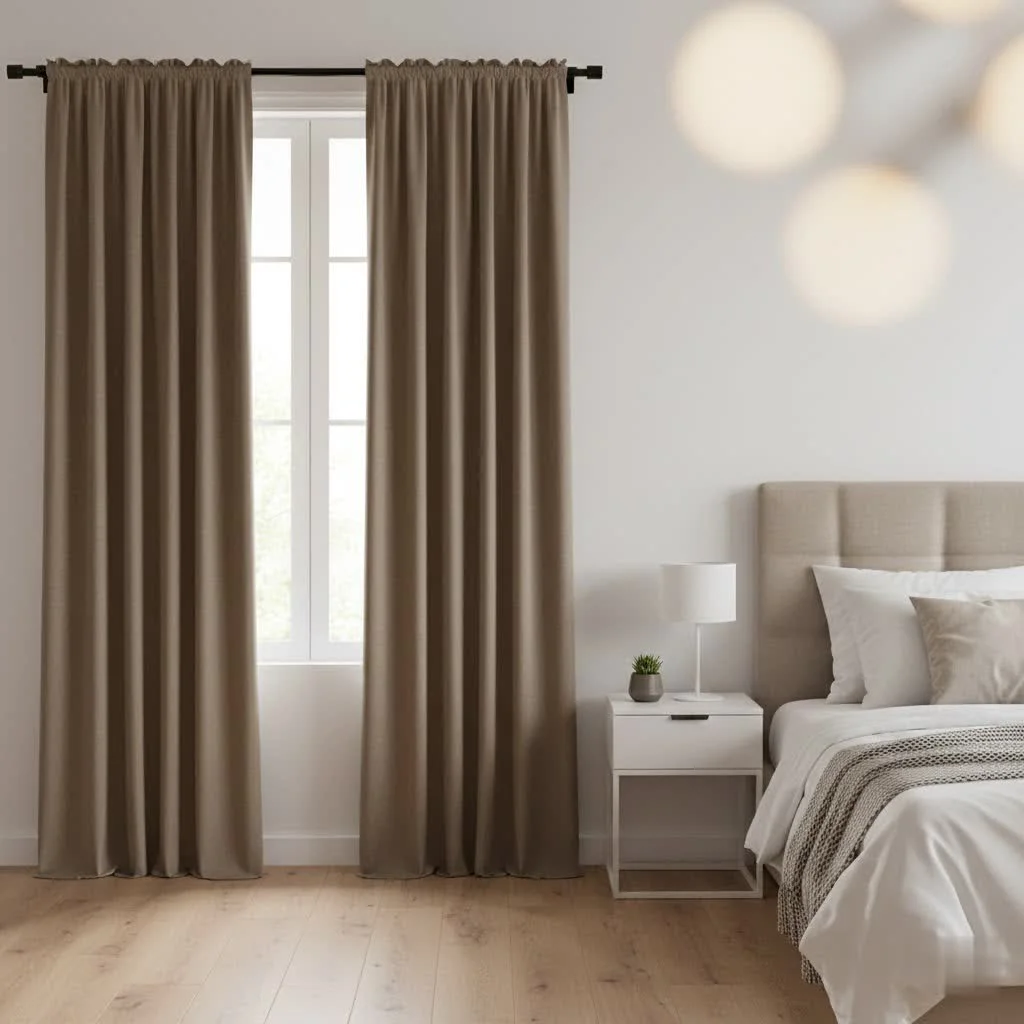
Blackout curtains are specialized window treatments engineered to completely obstruct external light from entering a room. For sliding glass doors, which present a large glass expanse, these curtains are particularly effective. Their core mechanism lies in their multi-layered fabric construction, often featuring a dense weave or a dedicated blackout lining, typically made from acrylic foam or tightly woven polyester. This specialized design prevents light penetration, creating a dark environment ideal for sleep or media viewing. Beyond mere light obstruction, many blackout curtains also incorporate thermal properties. These can significantly reduce heat transfer through the glass, helping to maintain stable indoor temperatures and offering insulation against both summer heat and winter cold. Unlike simple room-darkening curtains that only dim a space, true blackout curtains aim for total darkness. For shop curated home decor on this site.
Benefits of Using Blackout Curtains for Sliding Glass Doors
Installing blackout curtains on your sliding glass doors offers a wide array of advantages that extend beyond just blocking light. These practical and aesthetic enhancements can significantly improve your home environment.
Unrivaled Light Blockage
The primary benefit of blackout curtains is their exceptional ability to create complete darkness. This is invaluable for bedrooms, promoting deeper, more restorative sleep by eliminating disruptive sunlight, streetlights, or early morning glare. For night shift workers, young children, or anyone sensitive to light, this total blackout capability is a game-changer. It also transforms living rooms into ideal home theater spaces, free from screen glare.
Energy Efficiency and Climate Control
Sliding glass doors are notorious for energy loss. Blackout curtains with thermal properties act as an effective barrier against external temperatures. In summer, they block solar heat gain, reducing the strain on your air conditioning and lowering cooling costs. In winter, they prevent heat from escaping through the glass, helping to retain warmth and cutting down heating expenses. This insulation can lead to noticeable savings on your energy bills year-round.
Enhanced Privacy and Security
|
Our Picks for the Best Blackout Curtains in 2026
As an Amazon Associate I earn from qualifying purchases.
|
||
| Num | Product | Action |
|---|---|---|
| 1 | NICETOWN Nursery Essential Thermal Insulated Solid Grommet Top Blackout Curtains/Drapes (1 Pair, 42 x 63 inches in Baby Pink) |

|
| 2 | NICETOWN Aqua Blue 100% Blackout Curtain Set, Thermal Insulated & Energy Efficiency Window Draperies for Guest Room, Full Shading Panels for Shift Worker and Light Sleepers, 52W x 84L, 2 PCs |
|
| 3 | NICETOWN 100% Blackout Window Curtain Panels, Cold and Full Light Blocking Drapes with Black Liner for Nursery, 84 inches Drop Thermal Insulated Draperies (White, 2 Pieces, 52 Wide Each Panel) |
|
| 4 | NICETOWN Living Room Completely Shaded Draperies, Privacy Protection & Noise Reducing Ring Top Drapes, Black Lined Insulated Window Treatment Curtain Panels(Biscotti Beige, 2 Pieces, W52 x L84) |
|
| 5 | NICETOWN Kitchen Curtains for Decoration, Thermal Insulated Grommet Room Darkening Draperies/Panels for Laundry (Beige, 2 Panels, W42 x L63 inches) |
|
| 6 | NICETOWN Light Blue Curtains for Nursery, Thermal Insulated Grommet Room Darkning Curtain Panels for Bedroom/Living Room, Privacy Drapes for Classroom(1 Pair, W42 x L63 inches, Blue) |
|
| 7 | NICETOWN Aqua Blue Room Darkening Curtains for Kitchen, Window Treatment Thermal Insulated Solid Grommet Curtains/Drapes Bedroom (Set of 2, 42 inches Wide by 63 Long) |
|
| 8 | NICETOWN Thermal Insulated Grommet Room Darkening Curtains/Draperies/Panels for Bedroom (2 Panels, W42 x L63 inches, Biscotti Beige) |
|
| 9 | NICETOWN Living Room Completely Shaded Draperies, Privacy Protection & Noise Reducing Ring Top Drapes, Black Lined Insulated Window Treatment Curtain Panels (Beige, 2 Pieces, W52 x L84) |
|
| 10 | NICETOWN Pitch Black Solid Thermal Insulated Grommet Blackout Curtains/Drapes for Bedroom Window (2 Panels, 42 inches Wide by 63 inches Long, Black) |
|
The large glass panels of sliding doors can leave your home feeling exposed. Blackout curtains provide absolute privacy, ensuring that no one can see into your home, regardless of the time of day or night. This added layer of security offers peace of mind, especially in urban environments or homes with close neighbors.
UV Protection for Interiors
Direct sunlight streaming through sliding glass doors exposes your furniture, flooring, artwork, and other valuables to harmful ultraviolet (UV) rays. Over time, UV exposure can cause irreversible fading, discoloration, and material degradation. Blackout curtains act as a protective shield, preserving the longevity and appearance of your interior decor by blocking these damaging rays.
Noise Reduction
While not their primary function, the dense, multi-layered construction of many blackout curtains can also offer a noticeable degree of sound dampening. They help to absorb external noises from traffic, neighbors, or outdoor activities, contributing to a quieter and more peaceful indoor environment.
Types of Blackout Curtains and Treatments for Sliding Glass Doors
Choosing the right blackout solution for your sliding glass door involves exploring various styles and functionalities. Each type offers distinct advantages in terms of aesthetics, ease of use, and light-blocking effectiveness.
Traditional Drapery Panels
These are the most common and versatile option. Blackout drapery panels are typically made from heavy, opaque fabrics like polyester blends or cotton with a special blackout lining sewn in. They can be hung on a single or double curtain rod, often featuring grommet tops or back tabs for smooth gliding across the wide expanse of a sliding door. Extra-wide panels are available to ensure full coverage when closed. They offer a classic, soft look and can add significant texture and warmth to a room.
Vertical Blinds and Panel Tracks
For a more modern and streamlined aesthetic, vertical blinds or panel track systems are excellent alternatives. Vertical blinds consist of individual slats that can be tilted to control light or drawn completely across the door. Panel tracks feature wider, flat fabric panels that slide horizontally along a track. Both are ideal for large openings and provide a sleek, minimalist appearance. When constructed with blackout materials, they offer effective light control and privacy.
Roller Shades
Roller shades offer a clean, unobtrusive look, rolling up neatly into a headrail when not in use. When made with blackout fabric, they provide excellent light blockage. They can be mounted inside or outside the door frame and are often favored for their simplicity. For sliding doors, multiple roller shades may be needed to cover the entire width, or a single wide shade can be custom-ordered.
Cellular/Honeycomb Shades
Known for their superior insulating properties, vertical cellular shades are particularly well-suited for sliding glass doors. Their unique honeycomb structure traps air, creating an effective thermal barrier. Available in blackout fabrics, they glide smoothly on a track system, offering both comprehensive light blockage and significant energy savings. Their slim profile makes them a popular choice for a contemporary look.
Roman Shades
Roman shades offer a sophisticated and elegant appearance, folding into soft, horizontal pleats when raised. When crafted with blackout lining, they provide effective light control. For sliding glass doors, multiple Roman shades are often installed side-by-side above the door frame to cover the entire width. They are a good choice for adding a touch of classic design while maintaining light-blocking functionality.
Comparison Table: Blackout Solutions for Sliding Glass Doors
| Feature | Drapery Panels | Vertical Blinds/Panel Tracks | Roller Shades | Vertical Cellular Shades |
|---|---|---|---|---|
| Light Blocking | High | High | High | High |
| Aesthetic | Soft, traditional, versatile | Modern, minimalist | Clean, contemporary | Streamlined, functional |
| Durability | Good, depends on fabric | Good, can be prone to slat damage | Good | Good |
| Cost | Medium – High | Medium – High | Medium | High |
| Ease of Use/Movement | Very easy to slide | Easy to slide and tilt | Easy to roll up/down | Smooth gliding |
| Maintenance | Can be washed/dry cleaned | Easy to wipe | Easy to wipe | Easy to dust |
| Insulation | Good (especially thermal lined) | Moderate | Moderate | Excellent |
How to Choose the Right Blackout Curtains for Your Sliding Glass Door
Selecting the perfect blackout curtains involves considering your specific needs, the aesthetics of your home, and the practicalities of installation. Making an informed choice ensures long-term satisfaction.
Assess Your Needs
Begin by determining your primary objective. Are you prioritizing absolute darkness for better sleep, significant energy savings, enhanced privacy, or a blend of all these? This will guide your choices in material, lining, and style. Consider the room’s function—a bedroom might require full blackout, while a living room might balance light control with daytime aesthetic.
Material and Lining
The effectiveness of blackout curtains largely depends on their material and lining. Look for dense, opaque fabrics. For maximum light blockage and thermal insulation, ensure the curtains have a dedicated blackout lining, which is often a separate layer sewn onto the back. Some fabrics are inherently thicker, like velvet or certain polyesters, offering better light and sound absorption.
Accurate Measurement
Precise measurements are critical for effective blackout. Measure the width of your sliding glass door frame, then add extra inches on each side (typically 6-12 inches) to ensure the curtains overlap the frame. This prevents light leakage around the edges. For fullness and a luxurious look, the total width of your curtain panels should be 1.5 to 3 times the width of the door opening. For length, measure from your chosen rod height to the floor. Curtains that just skim the floor or puddle slightly offer the best light seal.
Mounting Options
Consider how the curtains will be mounted. An outside mount (where the rod extends beyond the door frame) is often recommended for sliding doors as it allows the curtains to stack neatly away from the door when open, maximizing light and passage. Ensure the rod and brackets are sturdy enough to support the weight of heavy blackout curtains. Mounting the rod as close to the wall as possible minimizes light gaps at the top.
Design and Aesthetics
Blackout curtains don’t have to compromise on style. They come in a vast array of colors, patterns, and textures. Choose a color that complements your existing decor. Lighter colors on the exterior-facing side can help reflect sunlight and reduce heat absorption. Consider the heading style (grommet, rod pocket, pinch pleat) to match your desired aesthetic and ease of operation.
Tips for Using and Maintaining Blackout Curtains
Proper care and usage will prolong the life of your blackout curtains and ensure they continue to perform optimally. A few simple practices can make a significant difference.
Regular Cleaning
Dust and allergens can accumulate on curtains. Regularly vacuum your blackout curtains using a brush attachment or gently shake them outdoors to remove loose dust. This keeps them looking fresh and maintains indoor air quality.
Proper Washing
Always refer to the manufacturer’s care label for specific washing instructions. Many blackout curtains, especially those with special linings, may require dry cleaning or gentle spot cleaning. If machine washable, use cold water and a delicate cycle, avoiding harsh detergents that could damage the lining. Tumble drying on low heat or air drying is usually recommended to prevent shrinking or damage to the blackout layer.
Protecting the Fabric
Avoid exposing the blackout lining to prolonged direct sunlight when the curtains are open, as this can sometimes degrade the material over time. When not in use, gather the curtains neatly to prevent unnecessary wear and tear. Also, be mindful of harsh chemicals or abrasive cleaners, which can strip the blackout coating or damage the fabric.
Inspecting Hardware
Periodically check the curtain rod, brackets, and rings or glides for any signs of wear or loosening. Tighten screws as needed to ensure smooth operation and prevent the curtains from sagging or falling. Well-maintained hardware contributes to the overall longevity and functionality of your blackout curtain system.
Conclusion
Choosing blackout curtains for your sliding glass doors is an investment in comfort, privacy, and energy efficiency. From ensuring a peaceful night’s sleep to protecting your home’s interiors from harsh UV rays and significantly reducing energy costs, their benefits are undeniable. With a variety of styles and types available, you can find a solution that not only meets your practical needs but also enhances your home’s aesthetic appeal. By carefully considering your requirements, selecting the right materials, and following proper installation and maintenance tips, you can transform your sliding glass door into a functional and stylish element of your home. Are you ready to embrace the ultimate in light control and privacy?
Frequently Asked Questions
Do blackout curtains really help with energy bills for sliding glass doors?
Yes, absolutely. Sliding glass doors are a major source of heat transfer. Blackout curtains, especially those with thermal properties, create an insulating barrier that blocks solar heat gain in summer and prevents heat loss in winter, significantly reducing the workload on your HVAC system and lowering energy costs.
Can I install blackout curtains on sliding glass doors myself?
Many types of blackout curtains, particularly standard drapery panels with grommets or rod pockets, are relatively easy for a DIY installation. You’ll need to accurately measure, select a sturdy curtain rod and brackets, and ensure proper anchoring. For more complex systems like panel tracks or vertical cellular shades, professional installation might be beneficial to ensure optimal performance and light seal.
Get our weekly buyer guide
Practical specs, not advice. Unsubscribe anytime.
